8 Unusual Signs That May Indicate Cervical Cancer Women Should Recognize Early
Let’s keep it real:
Cervical cancer often develops quietly. In its early stages, symptoms can be subtle, irregular, or easy to dismiss as hormonal changes, stress, or minor infections.
That’s why awareness matters.
This is not about fear. It’s about understanding your body’s signals and acting early. When detected in its early stages, cervical cancer is highly treatable.
Here are 8 unusual signs women should never ignore if they persist.
1. Unusual Vaginal Bleeding


One of the most common early warning signs is bleeding that isn’t normal for you.
This may include:
-
Bleeding between periods
-
Bleeding after sexual intercourse
-
Bleeding after menopause
-
Heavier or longer menstrual cycles than usual
If bleeding patterns suddenly change and don’t normalize, it’s time for evaluation.
2. Persistent Pelvic Pain


Pelvic pain that lingers — especially if unrelated to menstruation — can be a red flag.
This pain may feel:
-
Dull and constant
-
Deep in the lower abdomen
-
Worse during intercourse
Chronic discomfort should never be ignored.
3. Pain During Intercourse
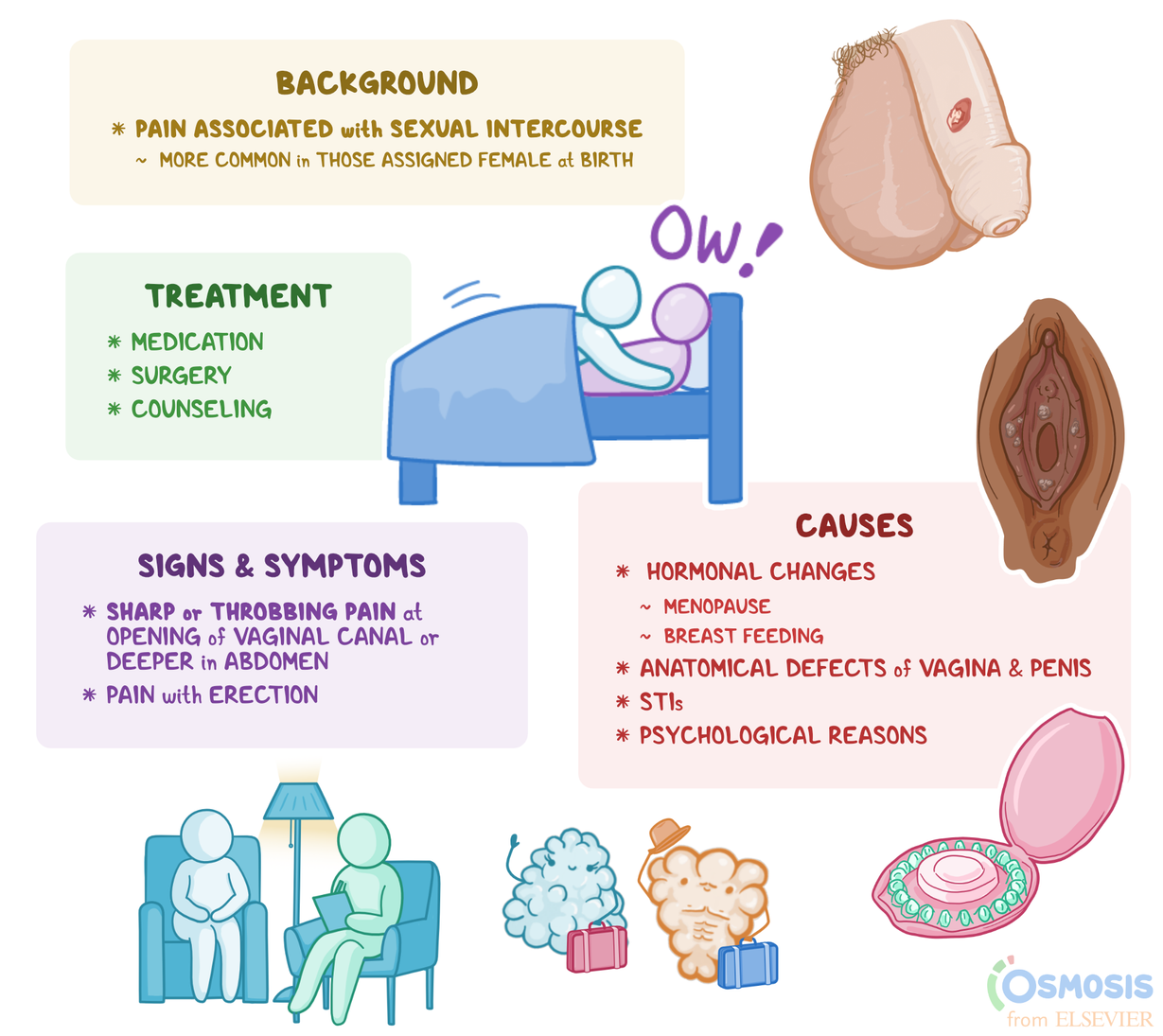

Pain during intimacy is not “normal” if it persists.
It can signal:
-
Inflammation
-
Cervical abnormalities
-
Tissue changes
If this symptom is new and ongoing, medical consultation is necessary.
4. Unusual Vaginal Discharge
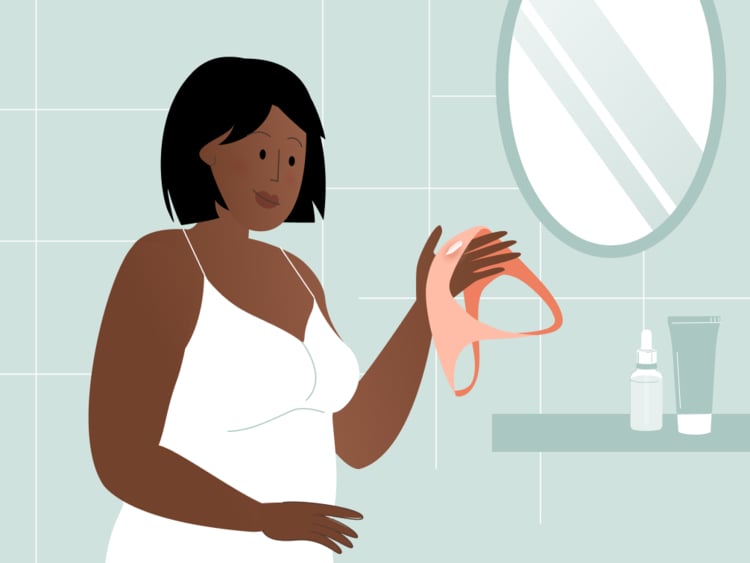

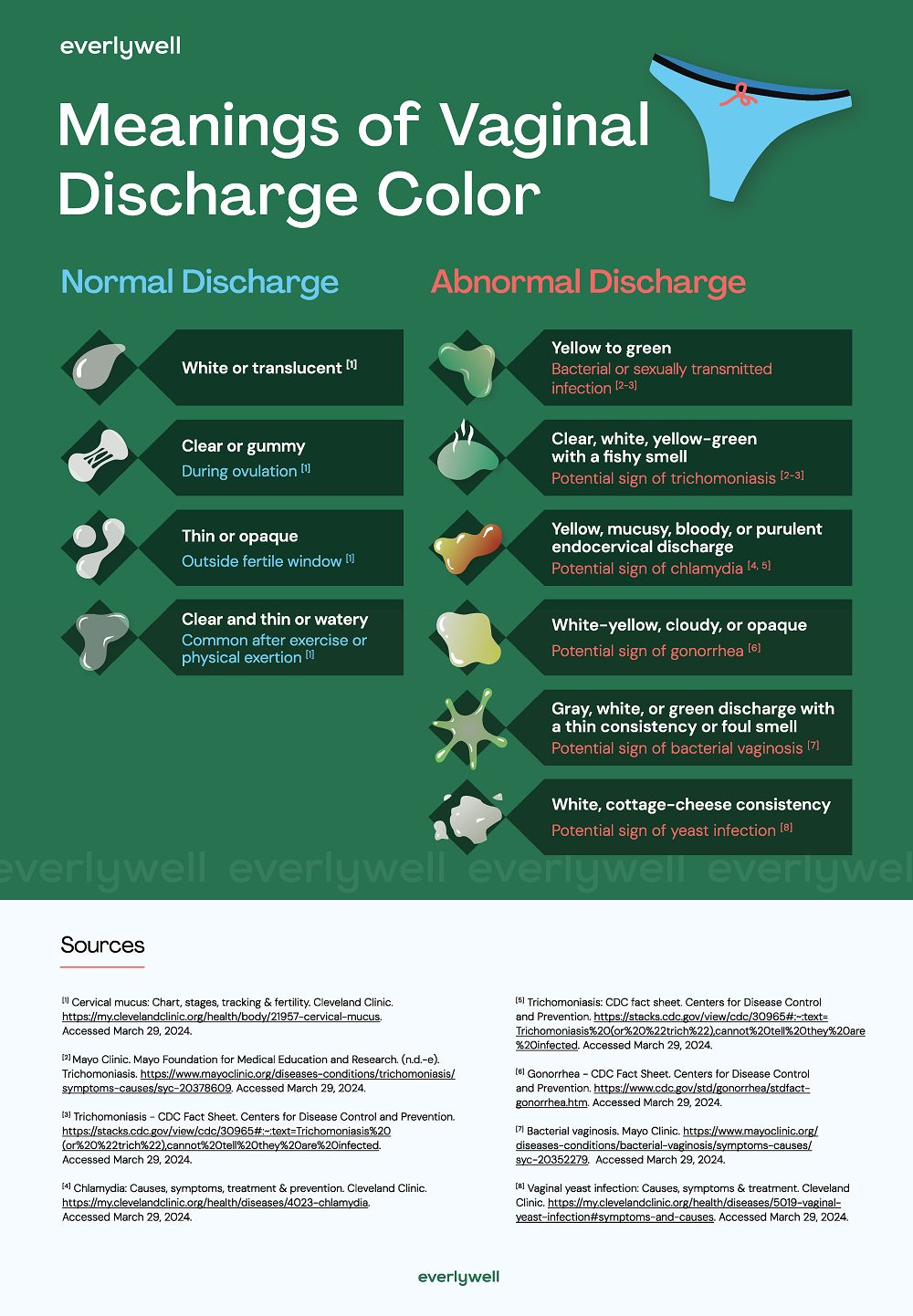
Watch for discharge that is:
-
Watery and persistent
-
Foul-smelling
-
Mixed with blood
-
Thick and unusual in color
While infections are common causes, unexplained discharge should be evaluated if it doesn’t resolve.
5. Leg Pain or Swelling
As cervical cancer progresses, it may press on nearby nerves or lymph nodes.
This can cause:
-
Swelling in one leg
-
Persistent leg pain
-
A heavy feeling in the lower limbs
Unexplained, one-sided swelling requires medical attention.
6. Lower Back Pain
Pain that radiates into the lower back or pelvis and doesn’t improve may signal deeper involvement.
Many women mistake this for muscle strain or posture issues.
If back pain persists alongside other symptoms, get checked.
7. Fatigue That Feels Different
Cancer-related fatigue is persistent and doesn’t improve with rest.
If exhaustion feels extreme and is paired with abnormal bleeding, it’s important to investigate further.
8. Changes in Urination or Bowel Habits
Advanced cervical cancer may affect nearby organs.
Possible signs include:
-
Pain during urination
-
Blood in urine
-
Constipation
-
Difficulty emptying bladder
While these symptoms often have non-cancer causes, persistence is the key concern.
Important Reality Check
Most of these symptoms are commonly caused by non-cancerous conditions such as:
-
Hormonal imbalance
-
Infections
-
Fibroids
-
Endometriosis
-
Stress
But when symptoms:
-
Last longer than 2–3 weeks
-
Worsen over time
-
Appear together
A medical evaluation is necessary.
Prevention and Early Detection Matter
Cervical cancer is largely preventable.
Protective steps include:
-
HPV vaccination
-
Regular Pap smears
-
HPV testing
-
Safe sexual practices
Routine screening can detect precancerous changes long before symptoms appear.
Final Message
Cervical cancer doesn’t always shout. Sometimes it whispers.
Changes in bleeding, discharge, pain, or energy levels are signals — not inconveniences.
Listening early can make the difference between simple treatment and complex intervention.
Stay aware.
Stay proactive.
And never ignore persistent changes in your body.