Chin whiskers in women are far more common than many people realize, yet they often cause unnecessary worry or embarrassment. These facial hairs can vary widely in texture, thickness, and color—ranging from fine, barely visible strands to coarse, dark hairs that seem to appear overnight. Some women notice only one or two occasional hairs, while others experience more noticeable or persistent growth.
Understanding why chin whiskers develop is an important step toward managing them effectively and reducing anxiety. It’s also essential to recognize that chin hair is a normal and natural occurrence for many women. Hormones, genetics, age, and certain medical conditions all play a role, and having chin whiskers does not automatically mean something is wrong with your health.
The Science Behind Chin Hair Growth

Like all body hair, chin hair follows a natural growth cycle consisting of three phases:
-
Anagen (growth phase)
-
Catagen (transition phase)
-
Telogen (resting phase)
Hormones called androgens, which include testosterone, strongly influence hair growth. Although androgens are often thought of as “male” hormones, women naturally produce them as well—just in smaller amounts. When androgen levels increase or when hair follicles become more sensitive to these hormones, facial hair growth may become more noticeable.
Genetics also determine how many hair follicles you have, how sensitive they are to hormones, and where hair grows. This is why some women experience chin whiskers while others do not, even if they have similar hormone levels.
Hormonal Factors That Contribute to Chin Whiskers
Hormonal fluctuations are one of the most common causes of chin whiskers in women. Several life stages and conditions can alter hormone balance:
-
Polycystic Ovary Syndrome (PCOS): A leading cause of excess facial hair due to elevated androgen levels
-
Menopause: Declining estrogen levels can allow androgens to have a stronger effect
-
Pregnancy or postpartum changes: Temporary hormone shifts may affect hair growth
-
Hormonal birth control or medications: Some can increase or decrease facial hair growth
These changes can trigger a condition called hirsutism, which refers to excessive hair growth in areas where men typically grow hair, such as the chin or upper lip.
Genetics and Family History

Genetics play a powerful role in facial hair patterns. If close female relatives—such as your mother, grandmother, or sisters—have chin whiskers, you may be more likely to experience them as well.
Ethnicity also influences hair growth. Women of Mediterranean, Middle Eastern, South Asian, or Hispanic descent often have thicker or darker facial hair due to inherited traits. Understanding your genetic background can help normalize your experience and set realistic expectations.
Medical Conditions Associated With Excess Facial Hair
While chin whiskers are often harmless, certain medical conditions can contribute to excessive or sudden hair growth. These include:
-
Polycystic ovary syndrome (PCOS)
-
Cushing’s syndrome
-
Adrenal gland disorders
-
Rare hormone-secreting tumors
-
Thyroid disorders, including hypothyroidism
If facial hair growth appears suddenly, worsens quickly, or is accompanied by other symptoms such as irregular periods, acne, or unexplained weight changes, medical evaluation is recommended.
Top 10 Ways Chin Whiskers Can Affect Women’s Well-being
-
Increased self-consciousness
-
Anxiety about appearance
-
Time spent managing hair removal
-
Financial costs of treatments
-
Skin irritation or ingrown hairs
-
Reduced self-esteem
-
Frequent checking or touching the chin
-
Avoidance of close social interactions
-
Worry about underlying health conditions
-
Increased risk of anxiety or low mood
Psychological and Emotional Impact
For many women, chin whiskers affect more than just physical appearance—they can influence emotional well-being. Feelings of embarrassment or frustration may lead to reduced confidence and heightened self-criticism. Social situations, professional interactions, and intimate relationships can all be affected when women feel pressure to hide or constantly manage facial hair.
Acknowledging these emotional effects is important. Support from healthcare providers, counselors, or supportive communities can help women develop healthier perspectives and coping strategies.
Cultural Expectations and Social Pressure
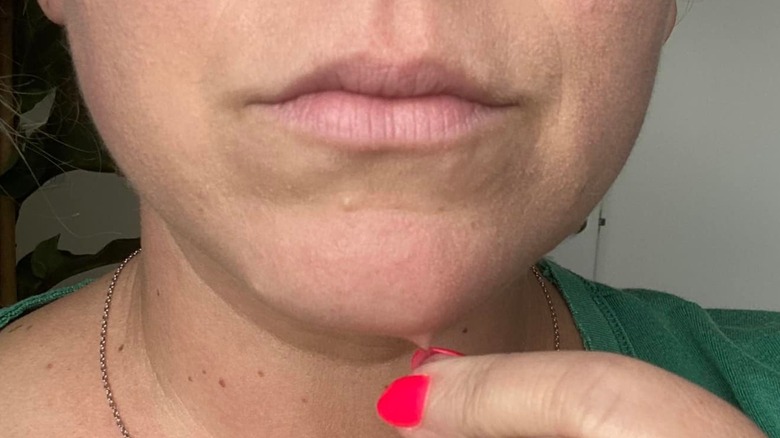
Cultural norms heavily influence how facial hair is perceived. In many societies, hairless skin is associated with femininity and beauty, while facial hair in women is stigmatized. Media and advertising often reinforce unrealistic beauty standards, intensifying the pressure to remove facial hair.
However, attitudes are gradually evolving. Movements promoting body positivity and natural beauty are encouraging more open conversations about facial hair and self-acceptance.
Effective Hair Removal Options
Women have many choices when it comes to managing chin whiskers:
Temporary methods:
-
Shaving
-
Plucking
-
Waxing
-
Depilatory creams
Longer-term options:
-
Laser hair removal
-
Electrolysis
-
Prescription creams like eflornithine (to slow growth)
Each method has advantages and drawbacks depending on skin sensitivity, hair thickness, and personal preference. Consulting a dermatologist can help determine the safest and most effective approach.
When to See a Healthcare Professional
You should consider medical advice if chin hair growth:
-
Appears suddenly or worsens rapidly
-
Is accompanied by irregular periods or acne
-
Occurs alongside unexplained weight gain
-
Causes significant emotional distress
Doctors may order hormone tests or imaging studies to identify potential underlying causes and guide treatment.
Lifestyle Changes and Natural Approaches
Certain lifestyle adjustments may help regulate hormones and manage hair growth:
-
Maintaining a healthy weight
-
Eating a balanced, nutrient-rich diet
-
Managing stress through yoga, meditation, or exercise
-
Drinking spearmint tea, which may have mild anti-androgen effects
While natural remedies are not cures, they can support overall hormonal balance and well-being.
Final Thoughts: Acceptance and Empowered Choices
Chin whiskers are a normal experience for many women, even though they’re rarely talked about openly. Understanding the causes and knowing your options can greatly reduce stress and self-doubt.
Whether you choose to remove chin hair or embrace it, the decision should be based on your comfort, confidence, and values—not societal pressure. You are not alone, and support, information, and effective solutions are available to help you feel empowered and informed about your body.