However, joint counseling is not always appropriate at the beginning. People may need separate support before they are ready to participate in a shared conversation.
A good counselor should not impose a particular emotional response. The goal is to help people understand what has happened, identify their needs, and make decisions without pressure.
In the fictional account, counselors and legal professionals are described as helping the couple navigate the aftermath. That detail is important because a revelation of this magnitude cannot be resolved simply by correcting a document.
11. The Role of Adoption Records in Protecting Identity
The story's central administrative issue is the missing biological information.
Adoption records are not merely historical paperwork. They can be important to an adopted person's sense of identity and, in some circumstances, to their health and safety.
Accurate records may help an adopted person understand inherited medical risks, identify biological relatives, and obtain a more complete account of their early life.
They can also help prevent accidental relationships between close biological relatives who grew up separately and do not know about one another.
Different countries have different approaches to adoption records. Some allow adult adoptees to request identifying information. Others restrict access or require intermediary services, consent procedures, or court authorization.
For example, official guidance from New South Wales explains that historical adoption records may contain incomplete information about birth families. Virginia's Department of Social Services also describes procedures through which eligible people can request adoption-related information.
These examples show that record access is a real administrative and legal issue, but they do not establish what would happen in the fictional case described in the screenshot.
The broader principle is that records should be accurate, securely stored, and handled with respect for the rights and privacy of everyone involved.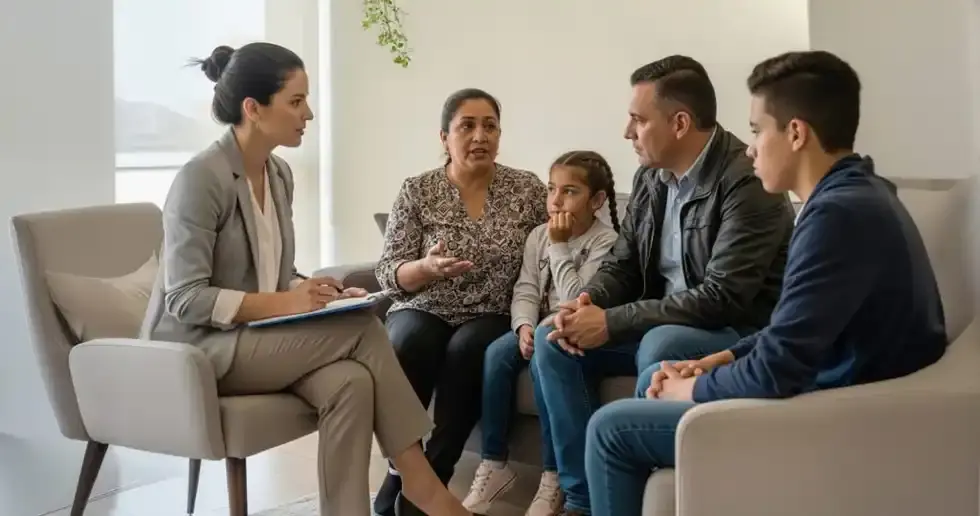
12. What Can Happen When Adoption Records Contain Errors?
An error in an adoption record can take different forms.
A name may be misspelled. A date may be recorded incorrectly. A document may be placed in the wrong file. A biological parent's details may be missing. Records from different institutions may use different names for the same person.
Some errors are easy to identify. Others may remain hidden until an adopted person requests information or a relative begins researching the family history.
The consequences depend on the type of error and the information involved.
A wrong date of birth could complicate identity checks. Missing medical information could make it harder to understand inherited health risks. Incorrect parentage information could affect a person's understanding of their biological family.
The fictional story presents an especially extreme consequence: a missing paternal identity supposedly allowed a father and daughter to enter a marriage without knowing their relationship.
That outcome should not be treated as typical. The screenshot does not provide evidence that such an event occurred in a real community. It is a dramatic scenario that illustrates why accurate records matter.
Still, the underlying concern is legitimate. Adoption files should be reviewed and corrected through proper legal channels when reliable evidence shows that information is wrong.
13. How a Person Can Begin Searching for Their Biological Family
For adopted adults who want to learn more about their origins, the first step is usually to understand what records exist and which authority holds them.
The process varies by location, but it may involve contacting the agency that arranged the adoption, a government adoption information service, a civil registration office, or a court.
Before beginning, it can help to gather known information:
-
The adopted person's full name and any previous names.
-
Approximate date and place of birth.
-
The date or approximate year of adoption.
-
The name of the adoption agency or institution, if known.
-
Copies of adoption certificates or other official documents.
-
Any family information already known and verified.
The person should ask what information can legally be accessed, whether identifying information is restricted, and whether an intermediary service is available.
It is important not to assume that every record will be complete. Some older files may contain gaps, and some information may be protected because it concerns another person's privacy.
A search can also produce unexpected emotional results. Someone may discover a biological relative who does not wish to make contact, or they may find information that raises more questions than it answers.
It can be helpful to arrange emotional support before beginning a search, particularly when the person expects the information to change their understanding of their family.
14. Why DNA Testing Should Be Approached Carefully
DNA testing has made it easier for some people to identify biological relatives. But it is not a simple answer to every family-history question.
A consumer DNA test may reveal close relatives, distant cousins, or unexpected relationships. The results can be surprising, especially when family members have different understandings of a person's parentage.
Before using a DNA service, people should consider privacy, data storage, consent, and how the results might affect relatives.
A test may identify a biological connection, but it does not automatically explain the circumstances surrounding an adoption. It cannot by itself establish why a record was incomplete or whether a legal document was processed correctly.
In a serious legal matter, the relevant authorities may require a particular form of testing or evidence. A consumer ancestry result may not be sufficient for a court or official investigation.
The fictional account does not specify that DNA testing took place. It says only that an investigation confirmed the family connection. The distinction should be preserved rather than adding an unsupported testing scene.