Regular exercise can improve insulin sensitivity and metabolic health.
It can also help reduce liver fat.
Walking, cycling, swimming, strength training, and other forms of moderate physical activity can be useful depending on a person's fitness level and medical condition.
Someone who has been inactive should generally increase activity gradually rather than attempting an extreme workout program immediately.
Consistency matters more than dramatic short-term efforts.
Food Choices Matter Too
There is no magic food that cleanses the liver.
The liver already has sophisticated systems for processing and eliminating substances.
Instead of focusing on a single "detox" ingredient, a more evidence-based approach is to improve the overall dietary pattern.
A diet rich in:
-
Vegetables
-
Fruits
-
Whole grains
-
Legumes
-
Nuts
-
Seeds
-
Fish
-
Other minimally processed foods
can support overall metabolic health.
Reducing excessive intake of highly processed foods, added sugars, refined carbohydrates, and excessive saturated fat may also be beneficial depending on individual needs.
Sugar-Sweetened Drinks Deserve Special Attention
Regular consumption of sugar-sweetened beverages can contribute substantial amounts of added sugar and calories without providing much satiety.
For someone concerned about metabolic health, replacing sugary drinks with water or other unsweetened beverages can be a practical step.
This does not mean one soda causes fatty liver.
The concern is the pattern of long-term intake.
Health outcomes are rarely determined by a single food or drink.
Alcohol Is Another Important Consideration
People with liver disease should discuss alcohol use with their healthcare professional.
Alcohol can contribute directly to liver injury, and people may have different levels of susceptibility.
If someone already has liver disease, assuming that a "moderate" amount is automatically safe may not be appropriate.
A healthcare professional can provide advice based on the individual's diagnosis, liver function, medications, and overall health.
Weight Loss Should Be Gradual
For people with overweight or obesity and MASLD, weight reduction can improve liver health.
But extreme diets and rapid weight-loss programs are not necessarily the best approach.
Sustainable changes are generally easier to maintain.
That might involve:
-
Smaller portions
-
More vegetables and fiber-rich foods
-
Less highly processed food
-
Fewer sugary drinks
-
Regular exercise
-
Better sleep
-
Consistent meal patterns
The goal is not simply to lose weight quickly.
The goal is to improve metabolic health and maintain those improvements over time.
Don't Wait for Foot Swelling to Check Your Liver
Perhaps the most important lesson is that foot swelling should not be treated as the first signal that prompts someone to investigate liver health.
By the time significant edema appears because of liver dysfunction, the disease may already be advanced.
Many people with early fatty liver have no obvious symptoms.
That is why people with risk factors should discuss appropriate screening with their healthcare providers rather than waiting for visible warning signs.
Early detection can provide an opportunity to address the underlying causes before serious complications develop.
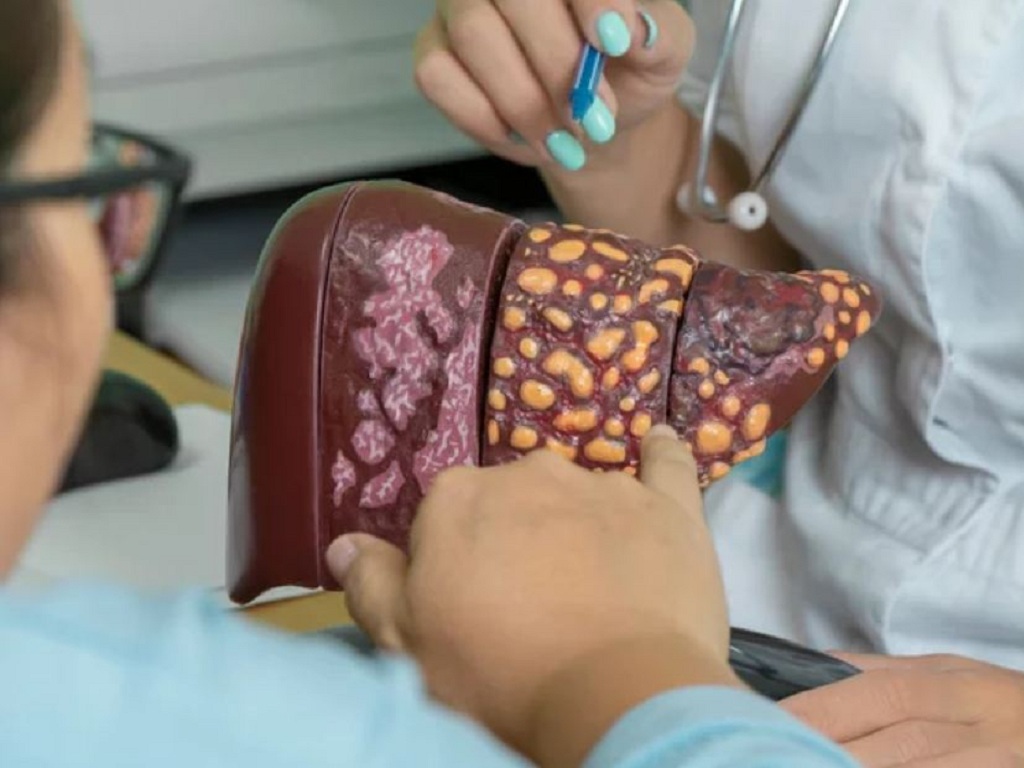
Who Should Talk to a Doctor About Fatty Liver?
Consider discussing liver evaluation with a healthcare professional if you have risk factors such as:
-
Type 2 diabetes
-
Obesity
-
Insulin resistance
-
High triglycerides
-
Abnormal cholesterol
-
High blood pressure
-
A family history of liver disease
-
Persistent abnormal liver blood tests
-
Regular heavy alcohol consumption
-
Known fatty liver on imaging
The exact approach to testing depends on age, medical history, risk factors, and previous test results.
Other Warning Signs of Advanced Liver Disease
Foot and ankle swelling is only one possible sign of more advanced liver problems.
Other changes may include jaundice, which causes the skin and whites of the eyes to become yellow.
This occurs when bilirubin accumulates in the body.
Some people may also develop:
Abdominal swelling
Fluid accumulation in the abdomen is known as ascites.
Easy bruising
Advanced liver dysfunction can interfere with proteins involved in blood clotting.
Severe itching
Liver and bile-flow problems can contribute to persistent itching.
Dark urine
Dark urine can occur for several reasons, including increased bilirubin.
Pale stools
Changes in bile flow can sometimes cause unusually pale stools.