Fatty liver disease is becoming increasingly common worldwide, affecting millions of people across different age groups. In many cases, the condition develops quietly over time with few noticeable symptoms during the early stages. Because the liver can continue functioning even while under stress, many people do not realize there is a problem until liver damage becomes more advanced.
Although fatty liver disease primarily affects the liver, the condition may sometimes cause symptoms in other parts of the body — including the feet and lower legs. Changes such as swelling, discomfort, skin changes, or circulation problems may occasionally reflect the body’s response to worsening liver function.
It is important to understand that foot symptoms alone do not automatically mean someone has liver disease. Many other conditions can also affect the feet. However, when these changes appear alongside fatigue, abdominal discomfort, weight changes, or other symptoms, they may deserve medical attention.
Understanding how fatty liver disease develops and how the body may signal advanced liver stress can help people recognize warning signs earlier.
What Is Fatty Liver Disease?
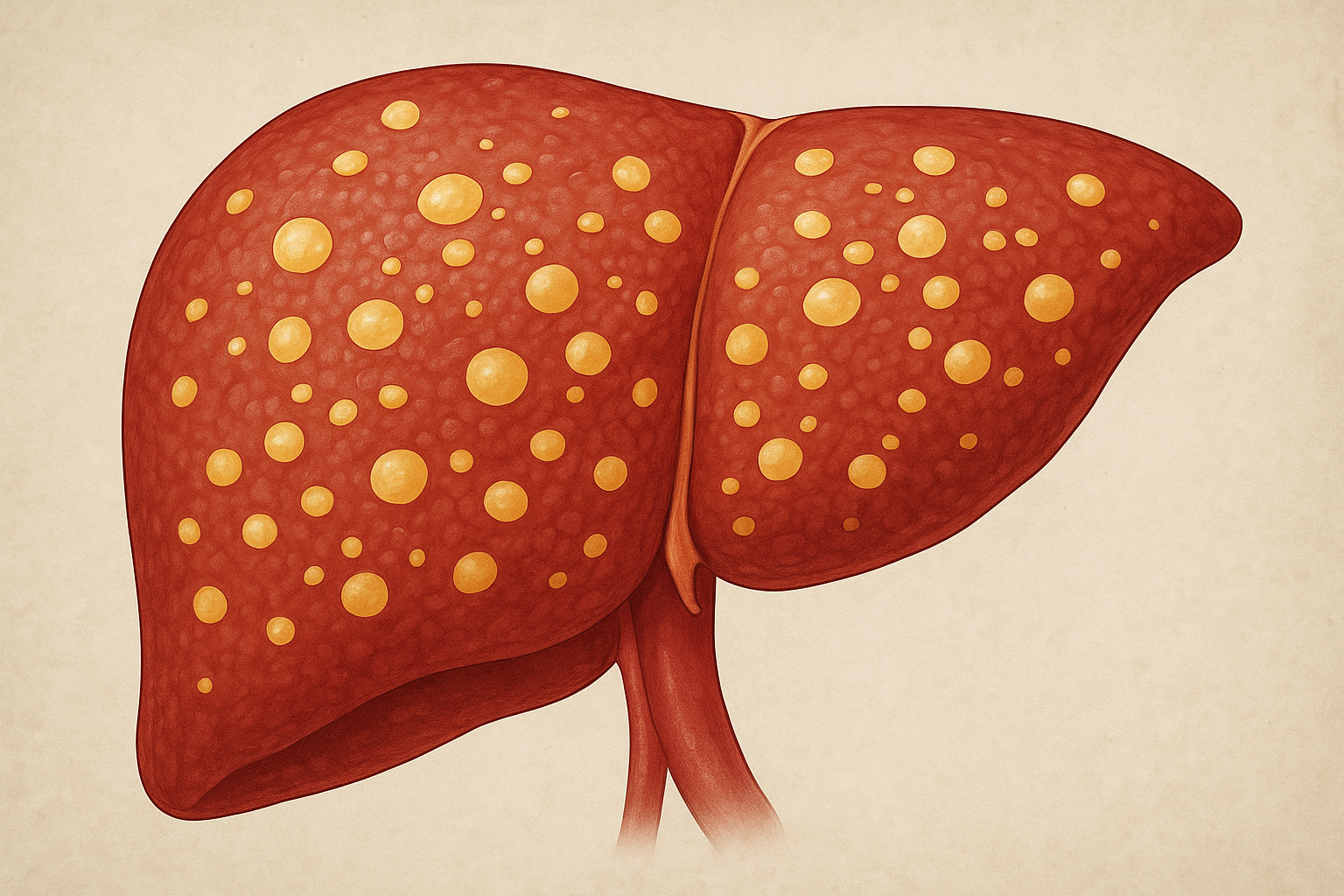
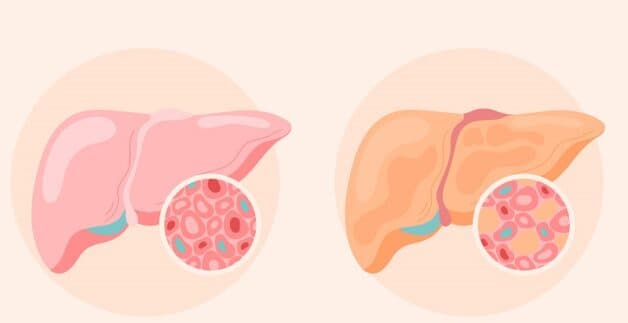
Fatty liver disease occurs when excess fat builds up inside liver cells.
There are two major types:
Non-Alcoholic Fatty Liver Disease (NAFLD)
This form is commonly linked to:
- Obesity
- Type 2 diabetes
- Insulin resistance
- Poor diet
- Sedentary lifestyle
Alcohol-Related Fatty Liver Disease
This type develops due to excessive alcohol consumption over time.
In early stages, fat buildup may cause little or no damage. However, if inflammation and scarring develop, the condition may progress into more serious liver disease.
Why the Liver Is So Important
The liver performs hundreds of vital functions, including:
- Filtering toxins
- Processing nutrients
- Producing proteins
- Supporting digestion
- Regulating metabolism
- Maintaining fluid balance
When liver function declines significantly, the effects may spread throughout the entire body.
How Fatty Liver Disease Progresses
Fatty liver disease often develops gradually.
Stages may include:
Simple Fatty Liver
Fat accumulation without major inflammation.
Steatohepatitis
Fat buildup combined with inflammation and liver cell damage.
Fibrosis
Scar tissue begins forming in the liver.
Cirrhosis
Severe scarring affects liver structure and function.
Advanced liver damage may interfere with circulation, fluid balance, and protein production.
Foot and Leg Symptoms That May Appear
In more advanced cases of liver dysfunction, the feet and lower legs may sometimes show visible changes.
1. Swelling in the Feet and Ankles
One of the most recognized symptoms associated with advanced liver problems is swelling, also called edema.
People may notice:
- Puffy feet
- Swollen ankles
- Tight shoes
- Indentations left by socks
- Heavy feeling in the legs
This may happen because severe liver damage can affect:
- Fluid regulation
- Blood circulation
- Protein production
Low albumin levels may contribute to fluid leaking into surrounding tissues.
Swelling may become more noticeable:
- After standing
- At the end of the day
- During hot weather
2. Itchy Feet
Persistent itching, especially in the feet or hands, may occasionally occur in people with liver disease.
This may happen when bile flow becomes impaired and certain substances accumulate in the bloodstream.
Liver-related itching often:
- Occurs without rash
- Becomes worse at night
- Feels deep and persistent
Although itchy feet can result from dry skin, allergies, or fungal infections, ongoing unexplained itching may sometimes deserve further evaluation.
3. Skin Color Changes
Advanced liver problems may occasionally affect skin appearance.
Possible changes include:
- Yellowish skin tone
- Redness
- Darkened patches
- Pale skin
Poor circulation may also contribute to unusual changes in the feet and lower legs.
Yellowing of the skin or eyes, known as jaundice, is one of the better-known signs of significant liver dysfunction.
4. Burning Sensations or Nerve Symptoms
Some individuals with liver disease may experience nerve-related symptoms, including:
- Burning feet
- Tingling
- Numbness
- Sensitivity
These symptoms may also occur in diabetes, which commonly overlaps with fatty liver disease.
Why Swelling Happens in Liver Disease
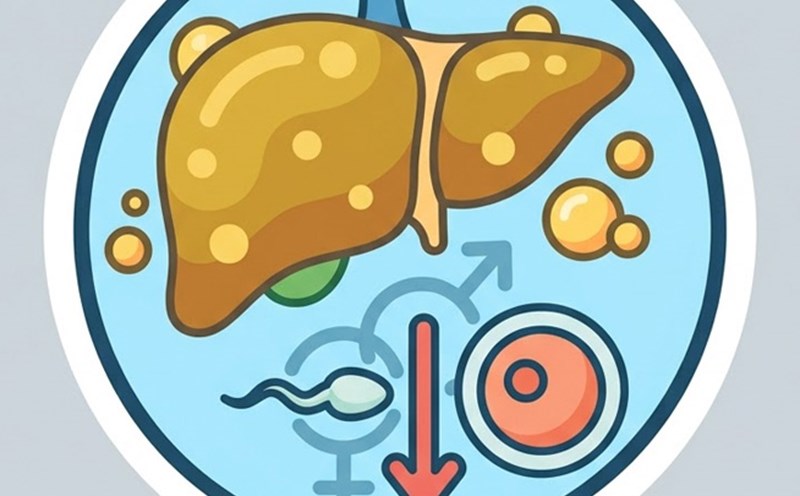
The liver helps regulate important proteins that maintain fluid balance inside blood vessels.
When liver damage becomes severe:
- Protein production may decline
- Pressure in blood vessels may increase
- Fluid may accumulate in tissues
This can affect:
- Feet
- Ankles
- Legs
- Abdomen
Swelling does not always indicate liver disease, but persistent unexplained edema should not be ignored.
Other Common Symptoms of Fatty Liver Disease
Many people with fatty liver disease experience few symptoms early on.
As the condition progresses, symptoms may include:
- Fatigue
- Weakness
- Abdominal discomfort
- Nausea
- Weight changes
- Brain fog
- Loss of appetite
Advanced liver disease may also lead to:
- Easy bruising
- Fluid buildup
- Jaundice
- Confusion
Major Risk Factors for Fatty Liver Disease
Several lifestyle and health factors may increase risk.
Obesity
Excess body fat strongly increases risk.
Type 2 Diabetes
Insulin resistance plays a major role.
High Cholesterol
Abnormal fat metabolism may contribute.
Poor Diet
Highly processed foods and sugary drinks may increase liver fat accumulation.
Sedentary Lifestyle
Physical inactivity affects metabolism and fat storage.
Excess Alcohol Intake
Heavy alcohol use may severely damage liver tissue.
The Link Between Fatty Liver and Metabolic Health
Fatty liver disease is closely connected to metabolic syndrome, which may involve:
- High blood pressure
- Elevated blood sugar
- Excess abdominal fat
- Abnormal cholesterol levels
Because of this connection, fatty liver disease often overlaps with cardiovascular risk factors.
Can Fatty Liver Disease Be Reversed?
Early-stage fatty liver disease may often improve through lifestyle changes.
Helpful strategies may include:
- Weight management
- Regular exercise
- Balanced nutrition
- Reducing sugar intake
- Limiting alcohol
- Managing diabetes
However, severe cirrhosis involves permanent scarring that cannot fully reverse.
This is why early detection is extremely important.
Foods That May Support Liver Health
Many experts recommend diets rich in:
- Vegetables
- Fruits
- Whole grains
- Lean proteins
- Healthy fats
Foods often associated with liver-friendly eating include:
- Leafy greens
- Berries
- Nuts
- Olive oil
- Fish
- Fiber-rich foods
Reducing highly processed foods and sugary beverages may also help support liver health.
Exercise and Liver Wellness
Physical activity may help:
- Reduce liver fat
- Improve insulin sensitivity
- Support circulation
- Aid weight management
Even moderate activities such as walking may benefit metabolic health over time.
When to Seek Medical Attention
Medical evaluation may be important if symptoms include:
- Persistent swelling
- Jaundice
- Severe fatigue
- Abdominal swelling
- Confusion
- Ongoing itching
- Sudden weight changes
Doctors may use:
- Blood tests
- Ultrasound
- MRI scans
- Fibrosis assessments
to evaluate liver health.
The Importance of Early Detection
Many people discover fatty liver disease accidentally during routine testing because early symptoms are often mild or absent.
Detecting liver problems early may help:
- Prevent progression
- Reduce inflammation
- Protect liver function
- Lower complication risk
Lifestyle changes tend to work best before severe scarring develops.
Final Thoughts
Fatty liver disease may sometimes produce warning signs beyond the liver itself, including swelling, itching, circulation changes, or discomfort in the feet and lower legs. These symptoms do not automatically indicate severe liver disease, but persistent or unexplained changes should not be ignored.
The body often gives subtle clues when internal health problems begin developing. Paying attention to these warning signs, maintaining healthy habits, and seeking medical evaluation when needed may help protect long-term liver health and overall well-being.