What You Should Know About Fatty Liver Disease, Including Symptoms and Ways to Support Liver Health
Fatty liver disease has become one of the most common liver conditions worldwide, affecting millions of people of all ages. Despite its prevalence, many individuals are unaware they have the condition because it often develops silently, with few or no symptoms in its early stages.
Although fatty liver disease can sometimes progress to serious liver damage, the good news is that many cases can be managed—and even improved—through healthy lifestyle changes.
Here's what you should know about fatty liver disease, including its causes, symptoms, potential complications, and ways to support liver health.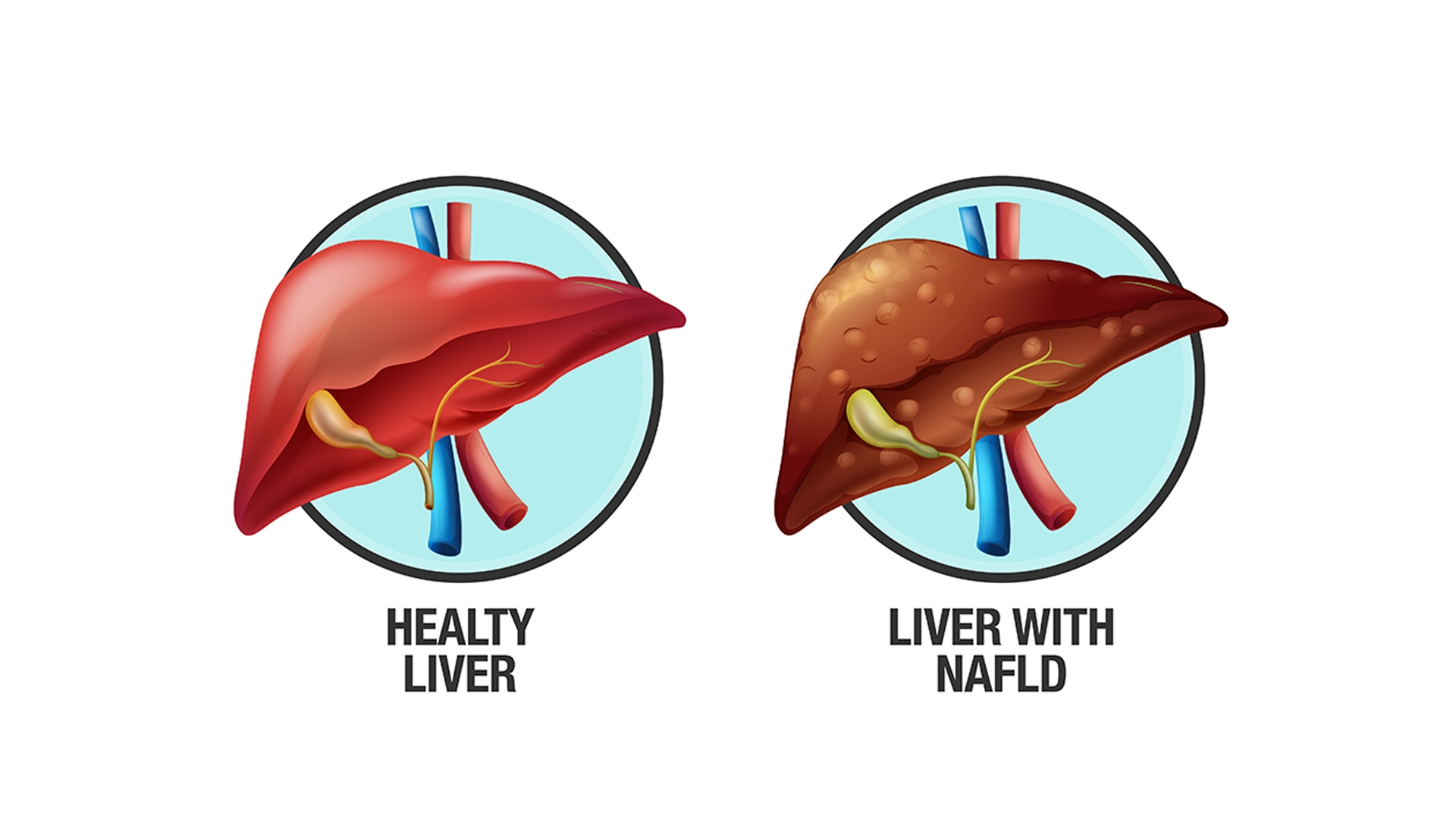
What Is Fatty Liver Disease?
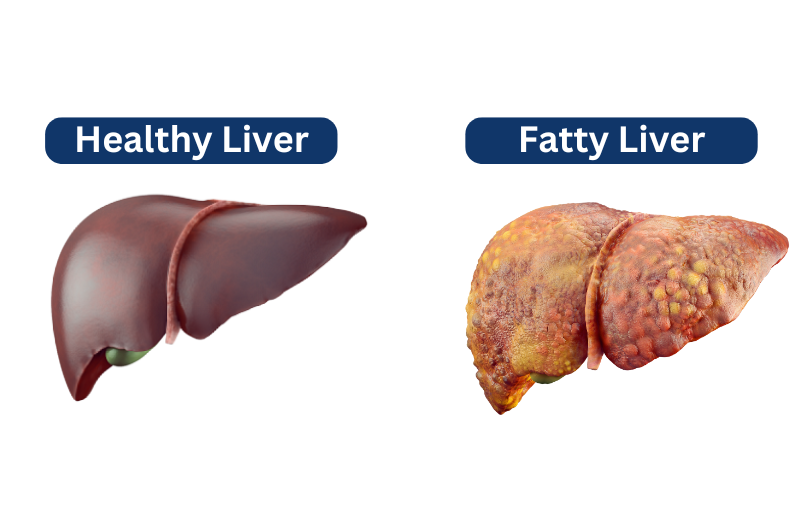
Fatty liver disease occurs when excess fat accumulates inside liver cells.
A small amount of fat in the liver is normal. However, when fat makes up a significant portion of the liver's weight, it can interfere with normal liver function and increase the risk of inflammation and damage.
There are two primary types:
Non-Alcoholic Fatty Liver Disease (NAFLD)
This form occurs in people who drink little or no alcohol. It is currently one of the most common liver disorders worldwide and is often associated with obesity, insulin resistance, and metabolic health issues.
Alcohol-Related Fatty Liver Disease
This type develops due to excessive alcohol consumption. Alcohol can damage liver cells and contribute to fat accumulation within the liver.
Both forms can range from mild to severe.
Why Is the Liver So Important?
The liver is one of the body's most vital organs.
It performs hundreds of functions, including:
- Filtering toxins from the bloodstream
- Processing nutrients from food
- Producing bile for digestion
- Regulating blood sugar levels
- Storing vitamins and minerals
- Supporting immune function
- Producing proteins necessary for blood clotting
When the liver becomes overloaded with fat, its ability to perform these functions efficiently may be affected.
Common Causes and Risk Factors
Several factors can increase the likelihood of developing fatty liver disease.
These include:
Excess Body Weight
Obesity is one of the strongest risk factors. Excess body fat often contributes to increased fat storage in the liver.
Type 2 Diabetes

People with diabetes frequently develop insulin resistance, which can promote fat accumulation in liver cells.
High Cholesterol and Triglycerides
Elevated blood fat levels are commonly associated with fatty liver disease.
Poor Dietary Habits
Diets high in added sugars, refined carbohydrates, processed foods, and unhealthy fats may increase risk.
Physical Inactivity
A sedentary lifestyle can contribute to weight gain and metabolic dysfunction.
Excessive Alcohol Consumption
Heavy drinking remains a leading cause of alcohol-related fatty liver disease.
Symptoms of Fatty Liver Disease
One reason fatty liver disease often goes undetected is that many individuals experience no symptoms during the early stages.
When symptoms do occur, they may include:
Persistent Fatigue
Many people report feeling tired or lacking energy.
Discomfort in the Upper Right Abdomen
Some individuals experience mild pain, fullness, or pressure near the liver.
Unexplained Weakness
General weakness or reduced stamina may occur.
Difficulty Concentrating
Some people describe brain fog or reduced mental clarity.
Enlarged Liver
In certain cases, a healthcare provider may detect liver enlargement during a physical examination.
As the disease progresses, symptoms may become more noticeable.
Potential Complications
While simple fatty liver may not cause immediate harm, untreated disease can sometimes progress.
Possible complications include:
Liver Inflammation
Excess fat can trigger inflammation, leading to a condition known as steatohepatitis.
Fibrosis
Repeated inflammation may cause scar tissue to develop in the liver.
Cirrhosis
Advanced scarring can permanently damage liver structure and function.
Liver Failure
In severe cases, extensive liver damage can impair the organ's ability to function properly.
Not everyone with fatty liver disease develops these complications, but monitoring and management remain important.
How Is Fatty Liver Disease Diagnosed?
Healthcare professionals may use several methods to evaluate liver health, including:
- Medical history review
- Physical examination
- Blood tests
- Ultrasound imaging
- CT scans or MRI scans
- Specialized liver assessments
In some cases, additional testing may be recommended to determine the extent of liver damage.
Lifestyle Changes That May Help
For many people, lifestyle modifications are the foundation of fatty liver management.
Maintain a Healthy Weight
Gradual weight loss can significantly reduce liver fat levels.
Experts generally recommend avoiding rapid weight loss, which may sometimes worsen liver stress.
Exercise Regularly
Physical activity helps improve metabolism, insulin sensitivity, and overall liver health.
Many experts recommend at least 150 minutes of moderate exercise each week.
Choose a Balanced Diet
A liver-friendly eating pattern may include:
- Fruits
- Vegetables
- Whole grains
- Lean proteins
- Nuts and seeds
- Healthy fats
Limiting sugary beverages, processed foods, and excess saturated fat may also be beneficial.
Reduce Alcohol Intake
People with alcohol-related fatty liver disease are often advised to eliminate alcohol entirely.
Others may benefit from discussing safe alcohol limits with their healthcare provider.
Manage Blood Sugar and Cholesterol
Keeping diabetes, cholesterol, and triglyceride levels under control can help reduce liver strain.
Can Fatty Liver Disease Be Reversed?
In many cases, early-stage fatty liver disease can improve substantially through lifestyle changes.
Reducing liver fat, improving diet quality, increasing physical activity, and achieving a healthy body weight can often lead to measurable improvements in liver function.
The earlier intervention begins, the greater the likelihood of preventing long-term complications.
The Bottom Line
Fatty liver disease is increasingly common, but it often develops without obvious symptoms. Factors such as obesity, diabetes, poor dietary habits, high cholesterol, and excessive alcohol consumption can all contribute to its development.
Although the condition can sometimes lead to serious complications, healthy lifestyle choices—including regular exercise, balanced nutrition, weight management, and routine medical checkups—can play an important role in supporting liver health.
If you experience persistent fatigue, abdominal discomfort, or have risk factors for liver disease, consider speaking with a healthcare professional. Early detection and appropriate management can make a significant difference in long-term liver health.