
Is Your Honey the Real Deal? Here's What to Look For
Wondering If Your Honey Is Authentic? Here's How to Check
Tips 26/07/2026 00:08
It’s a staple in many diets around the world, used in everything from salads to soups and fermented dishes. However, like many healthy foods, cabbage is not entirely risk-free. When consumed improperly or in excessive amounts, it can lead to certain health issues - especially for individuals with specific conditions.
Understanding both the benefits and the potential downsides of cabbage can help you enjoy it safely and make informed dietary choices.

Before discussing the risks, it’s important to recognize why cabbage is considered healthy:
Despite these benefits, certain factors can make cabbage problematic if not consumed mindfully.
Cabbage contains compounds known as raffinose and sulfur-containing substances. These can be difficult for the digestive system to break down, especially when eaten raw.
As a result, some people may experience:
Cooking cabbage can help reduce these effects by breaking down some of these compounds.
Cabbage belongs to the cruciferous vegetable family, which contains substances called goitrogens. These compounds can interfere with iodine uptake in the thyroid gland.
In large amounts, this may affect thyroid function and potentially contribute to conditions like hypothyroidism, particularly in individuals who already have iodine deficiency.
Moderate consumption is generally safe, especially when the cabbage is cooked.
Cabbage is high in vitamin K, a nutrient that plays a key role in blood clotting. While this is beneficial for most people, it can interfere with blood-thinning medications such as Warfarin.
Sudden increases in vitamin K intake can reduce the effectiveness of these medications. Individuals taking anticoagulants should maintain a consistent intake of vitamin K-rich foods and consult their doctor before making dietary changes.

Like many leafy vegetables, cabbage can carry bacteria, pesticides, or parasites if not properly cleaned.
Consuming contaminated cabbage may lead to:
Thorough washing and proper preparation are essential to reduce these risks.
Although rare, some individuals may have an allergy or sensitivity to cabbage. Symptoms can include:
If any unusual symptoms occur after consuming cabbage, it’s important to stop eating it and seek medical advice.
Even healthy foods can become problematic when consumed in excess. Eating large amounts of cabbage daily may lead to:
A balanced diet that includes a variety of vegetables is always the best approach.
To enjoy cabbage without unwanted side effects, consider the following tips:
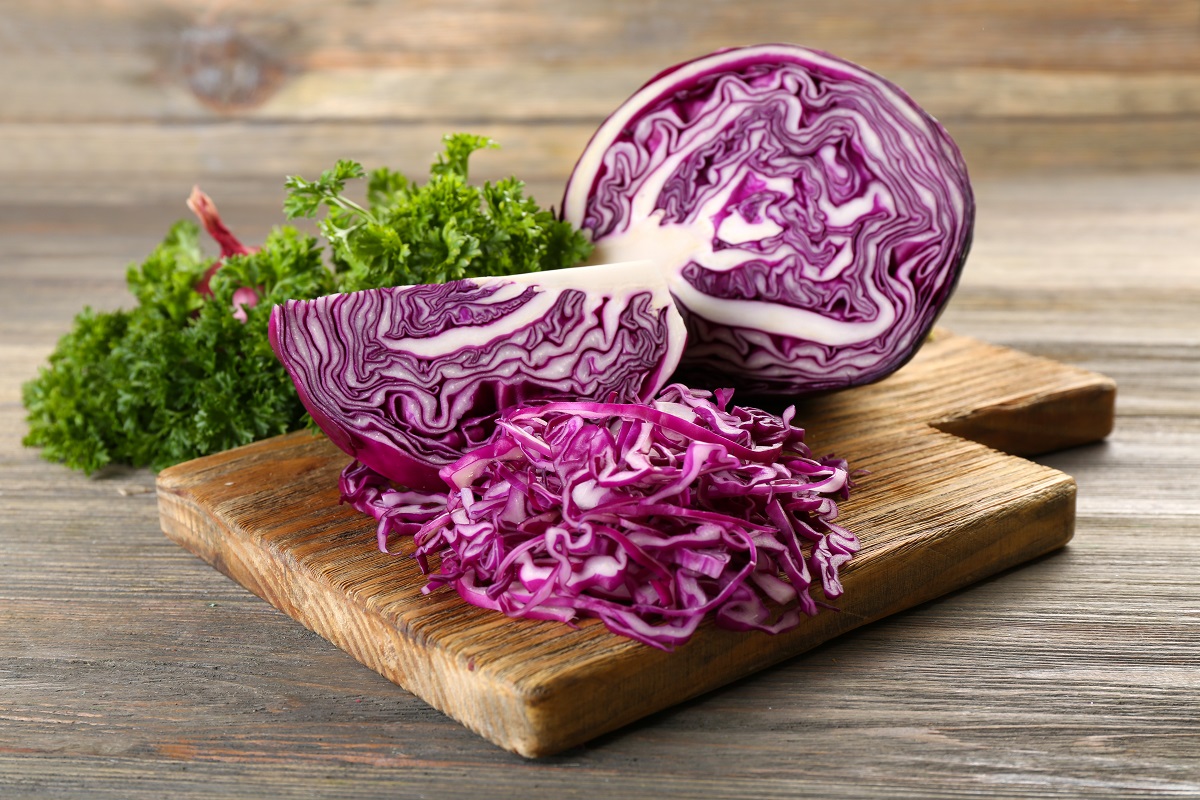
Cabbage is a nutritious and versatile vegetable, but it’s not completely without risks. From digestive discomfort to potential interactions with medications, being mindful of how and how much you consume can make a big difference.
The key is balance. When eaten properly and in reasonable amounts, cabbage can be a valuable part of a healthy diet. But like anything else, moderation and awareness are essential to avoid unwanted health problems.
Wondering If Your Honey Is Authentic? Here's How to Check

The Real Reason Cockroaches Won't Leave Your House Alone.

Your Dog Keeps Sleeping in Your Bed? Here's the Real Reason

One Image, Two Interpretations—Which One Did You See?

Don't Panic! Follow These Life-Saving Steps After a Snake Bite

🚿 Not All Pipes Handle Hot Water the Same Way—Here's Why It Matters...

What Does It Mean When a Gecko Visits Your Home?

The Strange Animal Products That Sell for Thousands of Dollars

Before You Toss That Deli Meat, Read This First

Simple Daily Habits That Can Help You Stay Fresher as You Age

Your Phone's Volume Buttons: 9 Features Worth Knowing

One Small Change Can Keep Lemons Fresh Far Longer Than You Think

Simple habits and safe methods can help keep your smile naturally brighter.

Can You Tell Real Honey From Fake in Seconds? Find Out Here! 🍯👇

Are Sprouted Potatoes Safe to Eat? Here's What Experts Say


The colors we're naturally drawn to, the styles we admire, and even the small details we choose to express ourselves may offer subtle clues about how we see the world.

Never Judge Honey by Its Thickness Alone—Here's Why

Doctors reveal the biggest coffee mistake that stresses your kidneys.


Nighttime urination isn't always just a sign of aging.

Don't let fear stop you from preventing colorectal cancer.


7 Unusual Symptoms That May Be Associated With Diabetes

These simple daily routines could inspire a healthier lifestyle for anyone.

Starting your morning with fresh coconut water may support hydration, digestion, glowing skin, and overall wellness when enjoyed as part of a balanced lifestyle.

The secret to better digestion might already be in your kitchen.

Most People Ignore These Nose Changes—Until It's Too Late

What Causes a Sour Vag.inal Odor? 4 Common Explanations Every Woman Should Know

Looking to Manage Blood Sugar? Here Are 10 Foods Worth Adding to Your Diet

She Never Thought Breakfast Was the Problem... Until It Was Too Late

The hidden mistake many people make when handling eggs at home.

Before You Eat Garlic, Here Are the Mistakes You Should Avoid

People Notice This After Eating Beetroot…

Months of Bloating, Then a Shocking Discovery. 130 Mystery "Seeds" Found Inside During Surgery

She Never Thought Breakfast Was the Problem... Until It Was Too Late

These 5 Household Appliances Should Be Unplugged After Use