Fatty liver disease has become one of the most common liver conditions worldwide. Once considered relatively uncommon, it now affects millions of people across all age groups. In many cases, individuals are unaware they have it because the condition often develops silently and may not cause noticeable symptoms for years.
The good news is that fatty liver disease is often preventable and, in its early stages, may be reversible through healthy lifestyle changes. Understanding the causes, symptoms, and management options can help individuals take proactive steps to protect their liver health.
What Is Fatty Liver Disease?
Fatty liver disease occurs when excess fat accumulates inside liver cells.
A healthy liver contains a small amount of fat. However, when fat accounts for a significant percentage of the liver's weight, the condition is classified as fatty liver disease.
The liver plays numerous essential roles, including:
-
Filtering toxins from the blood
-
Processing nutrients
-
Producing bile for digestion
-
Regulating metabolism
-
Storing vitamins and minerals
-
Supporting immune function
When excessive fat builds up, liver function may gradually become impaired.
Types of Fatty Liver Disease
1. Non-Alcoholic Fatty Liver Disease (NAFLD)
NAFLD occurs in people who drink little or no alcohol.
It is strongly associated with:
-
Obesity
-
Type 2 diabetes
-
Insulin resistance
-
High cholesterol
-
Metabolic syndrome
NAFLD is currently the most common form of fatty liver disease worldwide.
2. Alcohol-Related Fatty Liver Disease
This type develops as a result of excessive alcohol consumption.
Alcohol can damage liver cells and interfere with normal fat metabolism, leading to fat accumulation within the liver.
What Causes Fatty Liver Disease?
Several factors may contribute to the development of fatty liver disease.
Excess Body Weight
Carrying excess weight, particularly around the abdomen, is one of the strongest risk factors.
Insulin Resistance
When cells become less responsive to insulin, fat may accumulate more easily in the liver.
Poor Dietary Habits
Diets high in:
-
Added sugars
-
Refined carbohydrates
-
Sugary beverages
-
Ultra-processed foods
may increase fatty liver risk.
Physical Inactivity
A sedentary lifestyle contributes to weight gain and metabolic dysfunction.
High Cholesterol and Triglycerides
Elevated blood fats often accompany fatty liver disease.
Excessive Alcohol Consumption
Heavy alcohol intake remains a major cause of liver fat accumulation.
Certain Medications
Some medications may contribute to liver fat buildup in susceptible individuals.
Risk Factors
People may be at increased risk if they have:
-
Obesity
-
Type 2 diabetes
-
High blood pressure
-
High cholesterol
-
Metabolic syndrome
-
Sleep apnea
-
Family history of liver disease
Risk increases with age but can occur in younger adults and even children.
Symptoms of Fatty Liver Disease
One reason fatty liver disease is often overlooked is that many people experience no symptoms at all.
When symptoms do occur, they may include:
Fatigue
Persistent tiredness is among the most frequently reported complaints.
Discomfort in the Upper Right Abdomen
Some individuals notice a feeling of pressure or discomfort beneath the ribs.
Reduced Energy Levels
People may feel less energetic than usual.
Difficulty Concentrating
Some individuals report brain fog or reduced mental clarity.
General Malaise
A vague feeling of not being well may occur.
Advanced Symptoms
If fatty liver progresses and liver damage becomes significant, symptoms may become more serious.
Possible signs include:
-
Jaundice (yellowing of the skin or eyes)
-
Swelling in the legs
-
Abdominal swelling
-
Easy bruising
-
Persistent itching
-
Unexplained weight loss
These symptoms require prompt medical evaluation.
How Fatty Liver Disease Is Diagnosed
Because symptoms are often absent, diagnosis frequently occurs during routine medical testing.
Blood Tests
Doctors may check:
-
ALT (alanine aminotransferase)
-
AST (aspartate aminotransferase)
Elevated levels may indicate liver inflammation.
Ultrasound
Ultrasound imaging can help detect fat accumulation in the liver.
CT or MRI Scans
Advanced imaging may provide additional information.
Fibrosis Assessment
Specialized tests can evaluate whether scarring is present.
Liver Biopsy
In some cases, a biopsy may be necessary to determine disease severity.
Can Fatty Liver Disease Be Reversed?
In many cases, yes.
Early-stage fatty liver disease often responds well to lifestyle modifications.
The liver has a remarkable ability to heal and regenerate when harmful factors are addressed.
Healthy Lifestyle Changes That Support Liver Health
1. Achieve and Maintain a Healthy Weight
Weight loss is often one of the most effective strategies.
Research suggests that even modest weight reduction may improve liver fat levels.
Practical Approaches
-
Reduce portion sizes
-
Increase physical activity
-
Focus on nutrient-dense foods
Rapid weight loss should be avoided unless supervised by healthcare professionals.
2. Follow a Balanced Diet
A liver-friendly diet emphasizes:
Eat More
-
Vegetables
-
Fruits
-
Whole grains
-
Legumes
-
Fish
-
Lean proteins
-
Healthy fats
Limit
-
Sugary beverages
-
Refined carbohydrates
-
Excessive saturated fats
-
Highly processed foods
The Mediterranean Diet
Many experts recommend Mediterranean-style eating patterns because they support metabolic and cardiovascular health.
3. Exercise Regularly
Physical activity helps reduce liver fat even when weight loss is modest.
Recommended Activities
-
Walking
-
Cycling
-
Swimming
-
Strength training
-
Jogging
Consistency is often more important than intensity.
4. Limit Alcohol Consumption
For individuals with fatty liver disease, reducing or avoiding alcohol may help prevent additional liver stress.
Those with alcohol-related liver disease should follow medical advice regarding alcohol use.
5. Manage Blood Sugar Levels
People with diabetes or insulin resistance should work closely with healthcare providers to maintain healthy blood sugar control.
Improved glucose regulation may benefit liver health.
6. Control Cholesterol and Triglycerides
Managing blood lipids can reduce metabolic stress on the liver.
Healthy lifestyle habits often improve both cholesterol and liver health simultaneously.
Foods Commonly Associated With Liver-Friendly Diets
Coffee
Research suggests that moderate coffee consumption may be associated with certain liver health benefits.
Leafy Greens
Examples include:
-
Spinach
-
Kale
-
Arugula
Fatty Fish
Rich in omega-3 fatty acids:
-
Salmon
-
Sardines
-
Mackerel
Nuts
Especially:
-
Walnuts
-
Almonds
Olive Oil
A key component of Mediterranean dietary patterns.
Common Myths About Fatty Liver Disease
Myth 1: Only People Who Drink Alcohol Get Fatty Liver
NAFLD occurs in many people who rarely or never consume alcohol.
Myth 2: Fatty Liver Always Causes Symptoms
Many people have no symptoms for years.
Myth 3: Supplements Can Instantly Cure Fatty Liver
No supplement has been proven to provide a guaranteed cure.
Lifestyle changes remain the cornerstone of management.
Myth 4: Thin People Cannot Develop Fatty Liver
Although obesity increases risk, lean individuals can also develop the condition.
When to See a Doctor
Medical evaluation is recommended if you experience:
-
Persistent fatigue
-
Abdominal discomfort
-
Abnormal liver test results
-
Risk factors such as obesity or diabetes
Regular health checkups can help identify liver issues before complications develop.
Long-Term Outlook
Many individuals with fatty liver disease live healthy lives, particularly when the condition is identified early.
Lifestyle improvements may:
-
Reduce liver fat
-
Improve metabolic health
-
Lower cardiovascular risk
-
Enhance overall well-being
Early intervention often provides the best outcomes.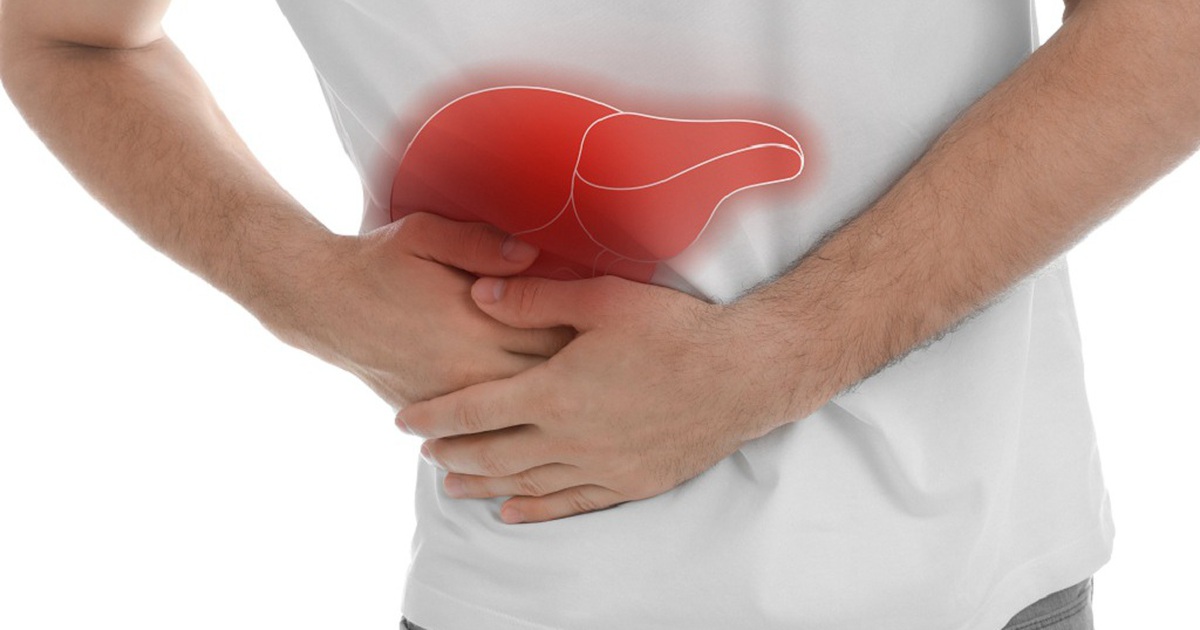
Final Thoughts
Fatty liver disease is one of the most common yet frequently overlooked health conditions today. It develops when excess fat accumulates within the liver and is often associated with obesity, insulin resistance, poor dietary habits, and sedentary lifestyles. Because symptoms may be minimal or absent, many people remain unaware they have the condition until routine testing reveals it.
Fortunately, fatty liver disease is often manageable and sometimes reversible - through healthy lifestyle changes. Weight management, regular exercise, balanced nutrition, blood sugar control, and reduced alcohol consumption can all support liver health and help prevent progression.
The liver is remarkably resilient, and even small positive changes can make a meaningful difference over time. Taking steps today to support liver health may contribute to better overall health for years to come.