When stink bugs begin appearing around windows, doors, walls, or ceilings, it can feel as though they have somehow found a secret entrance into your home.
You may remove one, only to notice another crawling across the curtain the next morning.
Then another appears near the kitchen light.
And another lands on the window.
For many homeowners, the frustrating part is not just seeing a stink bug. It is knowing that disturbing or crushing one can release the unpleasant odor that gave these insects their name.
The good news is that you do not necessarily need complicated equipment or expensive pest-control products to make your home less attractive to stink bugs.
One simple DIY method worth trying is a mild peppermint-scented spray used around likely entry points, combined with a few basic exclusion measures.
It is not a magic solution, and no homemade spray can guarantee that stink bugs will stay away. But using a strong-smelling household solution around windows, doors, screens, and other potential entry points can be part of a practical strategy for reducing indoor encounters.
More importantly, understanding why stink bugs enter homes in the first place can make the problem much easier to manage.
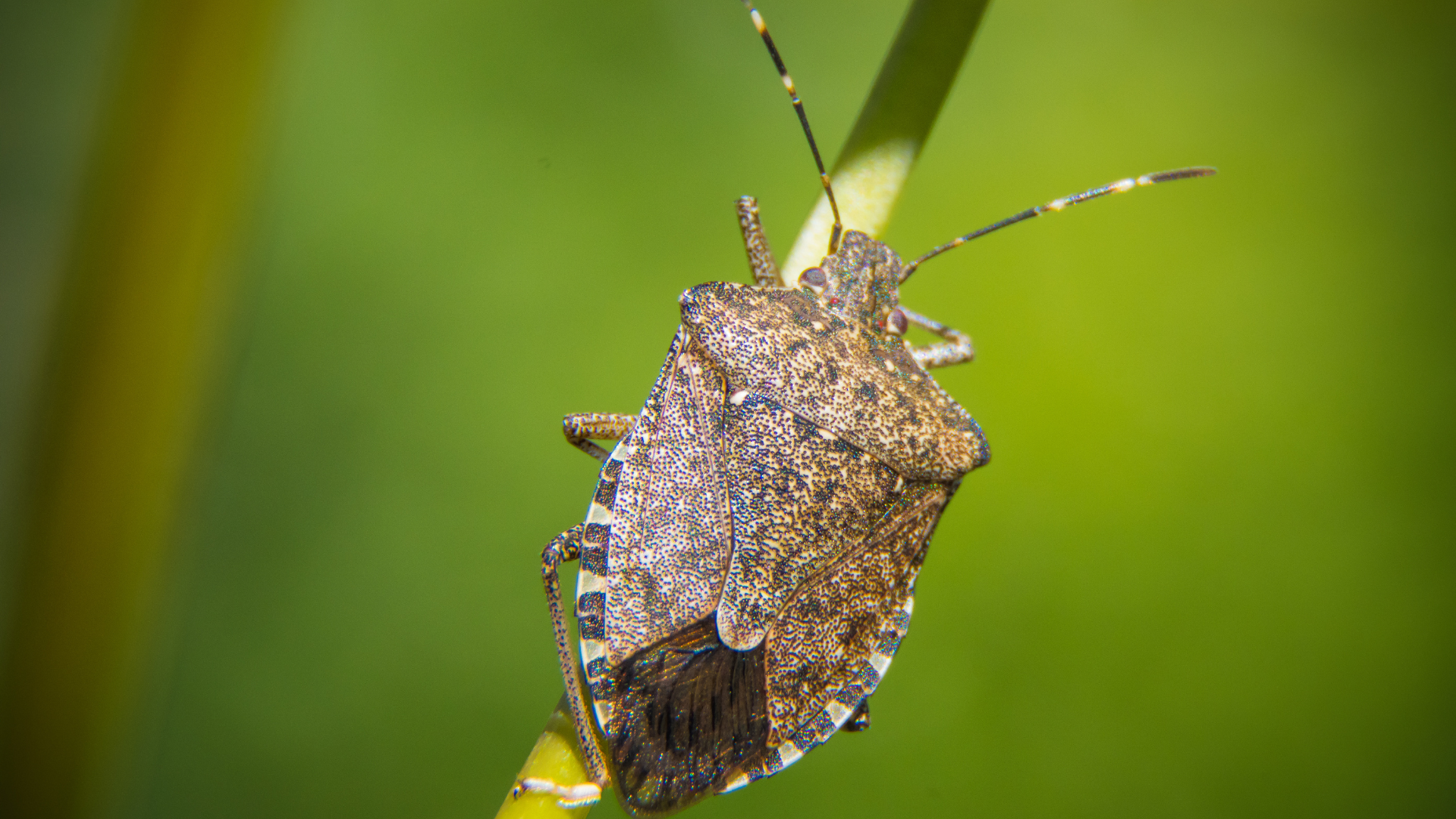
Why Are Stink Bugs Coming Into Your Home?
Before trying to repel stink bugs, it helps to understand what they are looking for.
Stink bugs often enter buildings in search of shelter.
During cooler periods, many species look for protected spaces where they can remain relatively inactive. Homes provide exactly what they need: warmth, shelter from weather, and plenty of tiny cracks and gaps where they can hide.
They may get inside through:
- Gaps around windows
- Spaces beneath doors
- Damaged window screens
- Cracks around siding
- Openings around pipes and utility lines
- Small gaps around vents
- Roofline or attic openings
One of the most frustrating things about stink bugs is how small an opening can be.
A gap that looks insignificant to you may be enough for an insect to find its way inside.
Once several stink bugs discover a suitable hiding place, you may continue seeing them periodically.
That can make it seem like new insects are constantly entering, even when some of them may have been hiding indoors for quite some time.
The Simple DIY Trick: A Peppermint-Scented Spray
Peppermint is commonly used in homemade insect-repellent mixtures because its strong scent is unpleasant to some insects.
You can make a basic household spray with:
2 cups of water
10–15 drops of peppermint essential oil
A small amount of liquid dish soap
Pour the ingredients into a clean spray bottle and shake gently before each use.
The dish soap helps disperse the oil through the water rather than allowing it to separate immediately.
The goal is not to soak your entire home.
Instead, apply a light amount around areas where stink bugs may attempt to enter.
Good places to consider include:
Window frames
Door frames
Screened windows
Garage entry points
Cracks around exterior doors
Areas around utility openings
Other likely insect entry points
Because essential oils can stain or damage certain surfaces, test the mixture on a small, inconspicuous area first.
And never assume an essential-oil spray is automatically safe for every pet. Some essential oils can be irritating or toxic to animals, particularly cats and certain small pets, so use caution and keep treated areas away from animals unless you know the product is appropriate.
Does Peppermint Really “Repel” Stink Bugs?
This is where it is important to separate a household tip from a guaranteed pest-control treatment.
A peppermint spray may make an area less appealing because of its strong odor, but it should not be presented as a scientifically guaranteed way to keep stink bugs out of an entire house.
The effectiveness of homemade repellents can vary considerably.
Some insects respond strongly to certain odors.
Others may simply ignore them.
Environmental factors also matter.
If your house has multiple cracks, damaged screens, or gaps beneath doors, a scented spray is unlikely to solve the underlying problem by itself.
Think of the peppermint spray as one layer of prevention.
Not the whole solution.
The strongest approach is usually:
repel where practical + seal entry points + remove hiding opportunities.