After making the physical repairs, you can use a light peppermint-scented spray around suitable areas where you regularly notice insect activity.
This approach requires more effort than simply spraying a bug.
But it gives you a much better chance of reducing repeat encounters.
What About Dish Soap and Water?
You may also have heard of using dish soap and water directly on stink bugs.
That method is different from a peppermint spray.
A soapy solution can be used as a contact treatment for some insects, but it should not be confused with a long-lasting barrier.
In other words:
Peppermint spray = intended as a scent-based deterrent
Soapy water = primarily a contact method
Neither should be viewed as a complete solution for a structural stink bug problem.
And homemade pesticide mixtures can vary in effectiveness and safety depending on concentration and where they are applied.
Why “Natural” Doesn't Always Mean Better
The word “natural” has become popular in home pest-control advice.
But natural substances can still cause irritation, damage surfaces, or harm pets.
Peppermint oil is a good example.
A small amount diluted in water is very different from using concentrated essential oil.
More is not automatically better.
Adding fifty drops instead of ten does not guarantee a stronger or more effective household solution.
It may simply create a stronger smell and greater risk of irritation or surface damage.
Start conservatively.
Use appropriate dilution.
And keep the mixture away from children and animals.
What Your Home May Be Telling You
Sometimes repeated pest sightings can reveal something about the house itself.
A damaged screen tells you there is a physical opening.
A gap beneath the door tells you weather stripping may need attention.
Repeated bugs around a lighted window tell you there may be outdoor insect activity concentrated in that area.
A cluster near an attic or roofline suggests another place worth inspecting.
In that sense, stink bugs can become accidental indicators of weak points in your home's exterior.
Instead of asking only:
“How do I get rid of this bug?”
Try asking:
“Why does this bug keep choosing this part of my house?”
That question can lead you to a better long-term solution.
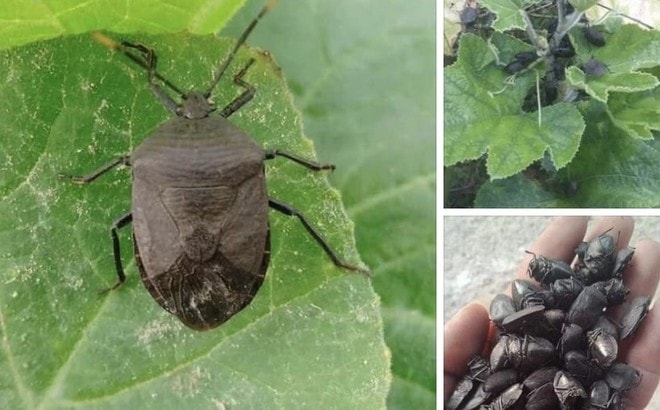
The Bottom Line
If you are tired of seeing stink bugs inside your home, a simple diluted peppermint spray may be worth trying around suitable entry areas such as windows and doors. Its strong scent may make some areas less attractive to insects, although homemade repellents are not guaranteed to work for every situation.
The more important step is to combine that DIY method with physical exclusion.
Repair damaged screens.
Seal cracks.
Use weather stripping beneath exterior doors.
Inspect gaps around windows and utility openings.
Reduce unnecessary clutter and dense vegetation immediately against the house.
And when you find a stink bug inside, avoid crushing it, since that can release the odor that makes these insects so unpleasant.
Most importantly, don't expect one homemade spray to solve every stink bug problem.
A better strategy is to make your home harder to enter in the first place.
Because when it comes to household pests, prevention often starts with something surprisingly simple:
Find the opening, close the opening, and make the area around it less inviting.
The goal isn't necessarily to make your home completely insect-free.
It is to make your home a much less appealing place for stink bugs to move into.