Never Crush a Stink Bug Against the Wall
This is one of the most important practical tips.
When you see a stink bug inside, your first reaction may be to grab a tissue and squash it.
That can backfire.
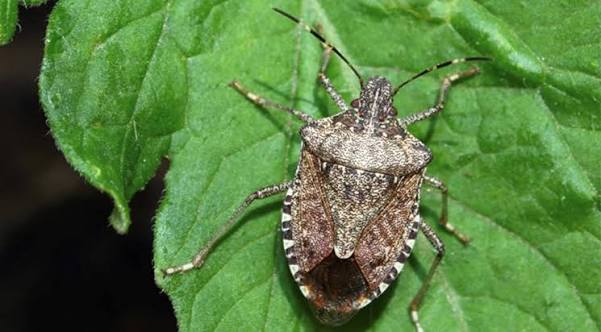
Many stink bugs produce a strong-smelling defensive chemical when disturbed or crushed.
Instead, consider gently collecting the insect.
A vacuum can work, although some people worry that the odor may linger inside the vacuum.
Another simple option is to use a container and a piece of stiff paper to capture the insect and remove it.
The exact method depends on where the bug is and what is safe in your home.
The goal is simply to avoid turning one unwanted insect into an unpleasant-smelling room.
What About Vacuuming?
Vacuuming can be convenient when several stink bugs are present.
But if you use a household vacuum, it is worth remembering that the odor may remain inside the machine.
One practical approach is to empty the vacuum container or replace the bag promptly afterward, according to the manufacturer's instructions.
Do not intentionally crush or agitate the insects inside the vacuum.
And if you are dealing with a very large number of bugs, that is a sign that prevention may be more useful than repeatedly removing individual insects.
Why You May Keep Seeing Stink Bugs Even After Sealing the House
This is an important source of confusion.
You seal an obvious crack.
You repair a screen.
You spray around the windows.
Yet a stink bug still appears inside.
Does that mean nothing worked?
Not necessarily.
Some stink bugs may already be inside wall voids, attics, or other protected areas.
In other words, today's stink bug may not have entered today.
It may have been hiding nearby and simply become active again.
That is why an increase in indoor sightings does not always mean a brand-new invasion.
Sometimes you are seeing insects that were already there.
The Refrigerator Isn't the Only Place to Find Problems
Stink bugs are most often associated with outdoor vegetation and buildings, but your home's surroundings matter too.
If your house is surrounded by dense vegetation, weeds, garden plants, fruit trees, or other vegetation that attracts insects, there may simply be more stink bugs nearby.
You do not need to remove every plant from your property.
Instead, keep vegetation from pressing directly against the house where practical.
Trim branches that touch walls or rooflines.
Keep exterior areas reasonably maintained.
And pay particular attention to places immediately around windows and doors.
The goal is to make the boundary between the yard and the house less hospitable to insects.
Clean Up Potential Hiding Areas
Stink bugs can take advantage of sheltered outdoor spaces.
Wood piles.
Unused containers.
Stacks of materials.
Dense vegetation.
Storage around sheds.
Outdoor clutter near walls.
Keeping these areas organized can reduce the number of places insects can shelter.
Again, this isn't about creating a completely insect-free yard.
That would be unrealistic.
It is about reducing unnecessary hiding places close to the house.