Fatty liver disease is becoming increasingly common, yet one of the most challenging things about it is that it can develop quietly.
Many people with fatty liver have few or no noticeable symptoms, especially in the early stages. In some cases, the condition is discovered only after routine blood tests, an ultrasound, or another medical examination.
Still, some people may experience subtle changes that deserve attention.
Recognizing these possible signs doesn't mean you can diagnose fatty liver yourself. The same symptoms can occur with many other conditions. However, understanding what to watch for can encourage you to seek appropriate medical advice before liver problems become more advanced.
Here are 10 possible early signs and symptoms associated with fatty liver.
1. Persistent Fatigue
One of the most commonly reported symptoms among people with liver problems is unusual tiredness or low energy.
You may feel exhausted even after what seems like an adequate night's sleep. Everyday activities that previously felt easy may suddenly require more effort.
Fatigue is extremely nonspecific, however.
Poor sleep, stress, anemia, thyroid disorders, infections, medications, and many other conditions can cause similar symptoms.
That's why fatigue alone should never be considered proof of fatty liver.
If tiredness is persistent and unexplained, it is worth discussing with a healthcare professional.
2. A General Feeling of Discomfort
Some people with fatty liver describe a vague feeling of being unwell.
This may include reduced energy, a feeling of heaviness, or simply feeling that something isn't quite right.
These sensations can be difficult to describe because they aren't necessarily associated with severe pain.
The liver itself doesn't always produce obvious symptoms when fat begins accumulating.
In fact, one of the reasons fatty liver can go unnoticed is that the changes may be occurring without dramatic warning signs.
If several unexplained symptoms appear together, medical evaluation can help determine whether the liver or another health issue could be involved.
3. Discomfort in the Upper Right Abdomen
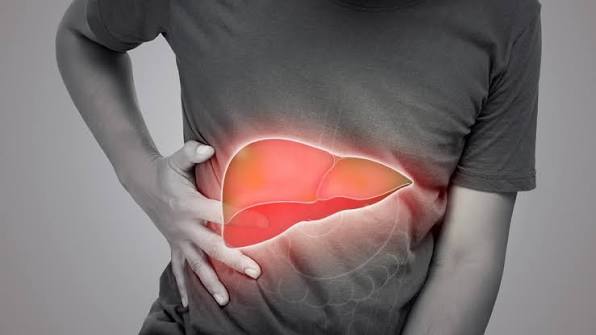
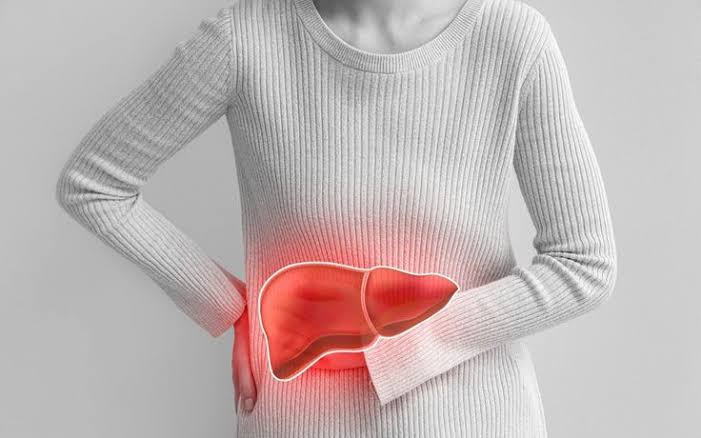
The liver is located primarily in the upper right portion of the abdomen, beneath the rib cage.
Some people with fatty liver may experience mild discomfort, pressure, or a sense of fullness in this area.
The sensation may be subtle rather than severe.
It's important not to assume that pain in the upper right abdomen automatically means fatty liver. Gallbladder problems, digestive disorders, muscle strain, and other conditions can cause discomfort in the same region.
If abdominal pain is severe, persistent, worsening, or accompanied by vomiting, fever, jaundice, or other concerning symptoms, medical attention is important.
4. Feeling Full or Bloated
Digestive complaints can sometimes accompany liver problems, although they are not specific to fatty liver.
Some people report bloating, abdominal fullness, or discomfort after eating.
However, bloating is extremely common and can result from:
-
Eating too quickly
-
Carbonated drinks
-
Food intolerances
-
Constipation
-
Irritable bowel syndrome
-
Changes in gut bacteria
-
Certain medications
For that reason, bloating by itself isn't a reliable indicator of liver disease.
It becomes more relevant when considered alongside other symptoms and known risk factors.
5. Unexplained Changes in Appetite
Changes in appetite can occur for many reasons.
Some people experiencing health problems may notice that they aren't as interested in food as they normally are.
Others may experience changes in eating patterns related to fatigue, digestive discomfort, or metabolic problems.
Fatty liver is strongly associated with metabolic health, including conditions such as obesity, insulin resistance, and type 2 diabetes.
If you notice a persistent and unexplained change in appetite, especially alongside weight changes or other symptoms, it's worth discussing with a healthcare professional.
6. Unexpected Weight Changes
Weight changes can sometimes provide an important health clue.
Unexpected weight loss may occur with numerous medical conditions and should not automatically be attributed to fatty liver.
On the other hand, excess body weight—particularly increased abdominal fat—is an important risk factor for metabolic dysfunction-associated steatotic liver disease, commonly known as MASLD.
This means that the relationship between weight and fatty liver is complicated.
Someone can have fatty liver without being visibly overweight, while many people with obesity may never develop significant liver disease.
The important point is that changes in weight, waist circumference, blood sugar, and metabolic health can provide useful information when evaluating overall liver risk.
7. Difficulty Concentrating or "Brain Fog"
Some people with liver conditions describe problems such as difficulty concentrating, reduced mental clarity, or feeling mentally sluggish.
However, this symptom requires careful interpretation.
Significant confusion or changes in mental status are more concerning for advanced liver dysfunction, rather than simply uncomplicated early fatty liver.
Everyday forgetfulness or difficulty concentrating is also commonly caused by poor sleep, stress, anxiety, medications, dehydration, and other conditions.
Therefore, "brain fog" shouldn't be used as a stand-alone way to diagnose fatty liver.
If confusion becomes sudden or severe, it requires prompt medical assessment.
8. Elevated Blood Sugar or Insulin Resistance
This isn't something you can necessarily feel.
But it can be one of the most important clues.
Fatty liver is closely connected with metabolic health.
People with insulin resistance, prediabetes, or type 2 diabetes have an increased risk of developing fatty liver.
Likewise, fatty liver can occur as part of a broader pattern of metabolic dysfunction.
This is why routine blood testing can be valuable.
A person may feel completely normal while blood tests reveal elevated glucose, abnormal cholesterol, or other metabolic changes that warrant further evaluation.
9. Abnormal Liver Enzyme Results
Another important clue may appear during routine blood testing.
Healthcare professionals may check liver enzymes such as ALT and AST when evaluating liver health.
Elevated levels can indicate that liver cells are under stress or have been injured.
However, normal liver enzyme levels don't completely rule out fatty liver.
Similarly, elevated enzymes don't automatically mean that a person has fatty liver.
There are many potential causes of abnormal liver tests, including medications, alcohol use, viral hepatitis, muscle injury, and other liver conditions.
That's why blood-test results need to be interpreted in context.
10. No Symptoms at All
This may sound surprising, but it is arguably one of the most important facts about fatty liver.
Many people with fatty liver don't notice any symptoms.
They may feel perfectly healthy.
The condition may only be discovered during:
-
A routine physical examination
-
Blood tests
-
An abdominal ultrasound
-
CT or MRI imaging
-
Evaluation for diabetes or metabolic problems
-
Investigation of another health concern
This is why waiting until you "feel something wrong with your liver" isn't a reliable strategy.
The liver can tolerate significant stress before obvious symptoms develop.
Why Fatty Liver Can Be So Easy to Miss
The liver performs hundreds of important functions, including processing nutrients, producing proteins, managing substances in the bloodstream, and helping the body process medications and other compounds.
Yet liver disease can remain relatively silent.
Fat accumulation in the liver doesn't necessarily cause immediate pain.
Some people may have simple steatosis with little evidence of liver injury, while others can develop inflammation and progressive liver damage.
This progression is one reason early identification of risk factors is valuable.
What Causes Fatty Liver?
Fatty liver has multiple causes.
In many people, it is associated with metabolic dysfunction, including:
-
Overweight or obesity
-
Insulin resistance
-
Type 2 diabetes
-
High triglycerides
-
High blood pressure
-
Physical inactivity
-
Certain dietary patterns
Alcohol can also contribute to liver fat accumulation and liver injury.
There are also less common causes, including certain medications and medical conditions.
Importantly, fatty liver isn't simply a problem caused by eating one particular food.
It's usually the result of multiple interacting factors.
Can Fatty Liver Progress?
Not everyone with fatty liver develops serious liver disease.
Some people have relatively stable disease for many years.
In others, liver fat can be accompanied by inflammation and cellular injury. Over time, this may contribute to fibrosis, or scarring of the liver.
More advanced fibrosis can progress toward cirrhosis.
Cirrhosis can significantly impair liver function and increase the risk of serious complications.
This doesn't mean that anyone diagnosed with fatty liver should panic.
It means the diagnosis should be taken seriously enough to encourage appropriate monitoring and management of underlying risk factors.
How Is Fatty Liver Diagnosed?
Symptoms alone aren't enough.
A healthcare professional may use a combination of:
Medical history:
Including weight, metabolic conditions, medications, alcohol intake, and other risk factors.
Blood tests:
These can assess liver enzymes and other markers of health.
Imaging:
Ultrasound, CT, or MRI may identify fat accumulation in the liver.
Fibrosis assessment:
Additional tests can help estimate whether liver scarring may be present.
In selected cases, more specialized testing may be necessary.
The appropriate approach depends on the individual's risk factors and test results.
What Can You Do to Support Liver Health?
If you're concerned about fatty liver, the most useful approach isn't searching for a miracle supplement.
It's addressing the underlying risk factors.
Maintain a healthy weight
For people who are overweight, gradual and sustained weight loss can reduce liver fat and may improve metabolic health.
Rapid crash diets are generally not the goal.
Stay physically active
Regular exercise can improve insulin sensitivity and metabolic health, even if significant weight loss doesn't occur.
Walking, cycling, swimming, resistance training, and other activities can all contribute.
Choose a balanced diet
A diet emphasizing vegetables, fruits, whole grains, legumes, lean protein, and healthy fats can support overall metabolic health.
Reducing excessive intake of added sugars and highly processed foods can also be helpful.
Be mindful of alcohol
Alcohol can contribute to liver injury, particularly in people who already have liver disease.
If you have been diagnosed with liver disease, discuss alcohol consumption with your healthcare professional.
Manage related conditions
Keeping blood pressure, cholesterol, blood sugar, and other metabolic conditions under control can be an important part of protecting liver health.
Don't Rely on "Liver Detox" Products
The internet is full of teas, supplements, powders, and cleanses promising to "flush" fat from the liver.
Be skeptical.
There is no magic drink that can reliably reverse liver disease overnight.
Some supplements can even cause liver injury or interact with medications.
If you're considering taking a supplement specifically for liver health, talk to a qualified healthcare professional first.
Your liver doesn't need a trendy detox routine. It needs appropriate medical care and sustainable lifestyle habits.
When Should You See a Doctor?
Consider speaking with a healthcare professional if you have persistent or unexplained symptoms, particularly if you also have risk factors for fatty liver.
You should seek prompt medical attention for concerning symptoms such as:
-
Yellowing of the skin or eyes
-
Severe or persistent abdominal pain
-
Vomiting blood
-
Black or bloody stools
-
Significant abdominal swelling
-
Severe confusion
-
Fainting
-
Sudden or unexplained deterioration
These symptoms can indicate serious problems and should not be attributed to ordinary fatty liver without medical evaluation.

The Bottom Line
Fatty liver can be difficult to recognize because many people have few or no symptoms in the early stages.
Possible signs can include fatigue, vague abdominal discomfort, appetite changes, bloating, and other nonspecific symptoms. But none of these symptoms can confirm fatty liver on their own.
The more reliable approach is to consider the bigger picture: metabolic health, weight, blood sugar, cholesterol, alcohol intake, medications, family history, and appropriate medical testing.
If you have risk factors or abnormal liver tests, don't wait for severe symptoms before taking action.
Fatty liver is often manageable, especially when recognized and addressed early.
Rather than searching for a single warning sign, think of liver health as part of your overall metabolic health. Small, consistent changes in diet, physical activity, weight management, and medical follow-up can make a meaningful difference over time.