Feeling dizzy when you stand up, suddenly weak, or unusually lightheaded can be easy to dismiss. Maybe you haven't eaten enough. Perhaps you're tired, dehydrated, or simply having a bad day.
Sometimes, that's exactly what is happening.
But these symptoms can also occur when blood pressure becomes too low, particularly if the drop happens suddenly or repeatedly.
Low blood pressure, medically known as hypotension, does not always mean something is wrong. Some healthy people naturally have lower readings and feel perfectly well. The concern is usually when blood pressure is low enough—or falls quickly enough—to cause symptoms or reduce blood flow to important organs.
So how can you tell when dizziness or weakness may be related to low blood pressure?
Here are seven signs worth recognizing, along with common causes, what you can do, and when medical attention is important.
What Is Considered Low Blood Pressure?
Blood pressure is measured using two numbers.
The systolic pressure is the top number and represents the pressure in the arteries when the heart contracts.
The diastolic pressure is the bottom number and represents the pressure when the heart relaxes between beats.
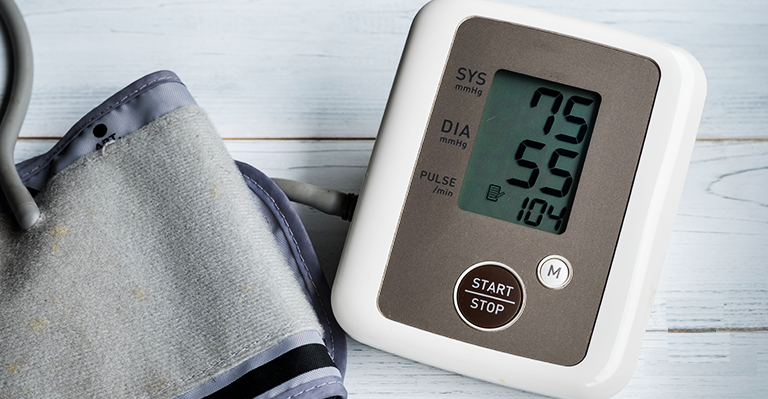
A reading below approximately 90/60 mmHg is often described as low blood pressure. However, a number by itself does not necessarily mean there is a medical problem.
Some people naturally have readings around this level without experiencing any symptoms.
What matters is the combination of the blood pressure reading, your usual baseline, your symptoms, and the circumstances in which the low reading occurs.
For example, a sudden drop after standing up may indicate orthostatic hypotension, while low blood pressure during an illness may have an entirely different cause.
1. Dizziness or Lightheadedness
One of the most recognizable symptoms of low blood pressure is feeling dizzy or lightheaded.
You may suddenly feel as though the room is moving, your balance is off, or your head feels unusually light.
This can be particularly noticeable when you:
-
Stand up quickly
-
Get out of bed
-
Rise from a chair
-
Bend down and straighten up
-
Stand for a long time
When you stand, gravity causes blood to temporarily pool in the legs. Normally, your nervous system and blood vessels respond quickly to maintain adequate blood flow to the brain.
If that adjustment doesn't happen effectively, blood pressure can fall and cause lightheadedness.
This is one reason people with orthostatic hypotension may feel perfectly normal while sitting but become dizzy shortly after standing.
2. Feeling Weak or Unusually Tired
Low blood pressure can sometimes be accompanied by a feeling of weakness or fatigue.
You may feel as though your body suddenly has less energy than usual.
Simple activities such as walking across a room or climbing stairs may feel unexpectedly difficult.
However, fatigue is extremely nonspecific.
Poor sleep, anemia, infections, thyroid problems, dehydration, nutritional deficiencies, stress, depression, medication side effects, and many other conditions can produce similar symptoms.
Therefore, weakness alone doesn't establish that blood pressure is too low.
If weakness is persistent, severe, or accompanied by other symptoms, it is worth discussing with a healthcare professional.
3. Blurred or Tunnel-Like Vision
Another possible warning sign is a sudden change in vision.
Some people experiencing a significant blood-pressure drop may notice:
-
Blurred vision
-
Dim vision
-
Tunnel vision
-
Difficulty focusing
-
Temporary visual disturbance
This can happen because the brain and visual system may temporarily receive less blood flow.
It may occur particularly when standing suddenly.
If your vision briefly becomes blurry when you stand and then quickly returns to normal after sitting or lying down, a blood-pressure drop is one possible explanation.
But sudden or persistent vision loss should never automatically be blamed on low blood pressure.
A sudden change in vision can have other serious causes and warrants prompt medical assessment.
4. Feeling Faint or Actually Passing Out
If blood pressure falls enough to reduce blood flow to the brain, you may feel as though you're about to faint.
This sensation is sometimes called presyncope.
You might notice:
-
Sudden lightheadedness
-
Weakness in the legs
-
A feeling that you're about to collapse
-
Sweating
-
Nausea
-
Blurred or narrowing vision
-
Difficulty thinking clearly
Some people may actually lose consciousness.
Fainting should be taken seriously, especially if it is new or unexplained.
If you feel faint, sit or lie down immediately to reduce the risk of falling and injury.
If possible, elevate your legs while lying down.
If someone loses consciousness, particularly if they do not quickly recover, emergency medical evaluation may be necessary.
5. Nausea or an Upset Stomach
Low blood pressure can sometimes be accompanied by nausea.
The sensation may appear together with dizziness, weakness, sweating, or a feeling of impending fainting.
This can happen during episodes in which blood flow to the brain and other tissues is temporarily reduced.
But nausea has countless possible causes.
Food poisoning, infections, medication side effects, migraine, pregnancy, anxiety, gastrointestinal disorders, and many other conditions can produce similar symptoms.
That's why nausea becomes more informative when it occurs alongside a documented low blood-pressure reading or other symptoms typical of hypotension.
6. Cold, Clammy Skin or Unusual Sweating
During a significant drop in blood pressure, the body may activate its stress response.
As a result, you may become:
-
Pale
-
Cold
-
Clammy
-
Sweaty
This can happen shortly before fainting.
It's important to distinguish an occasional cold sweat from signs of a potentially serious medical emergency.
Cold, clammy skin accompanied by chest pain, severe shortness of breath, confusion, fainting, or severe weakness requires urgent medical attention.
Very low blood pressure can sometimes occur during serious conditions such as severe infection, major bleeding, or heart problems.
7. Rapid or Unusually Strong Heartbeat
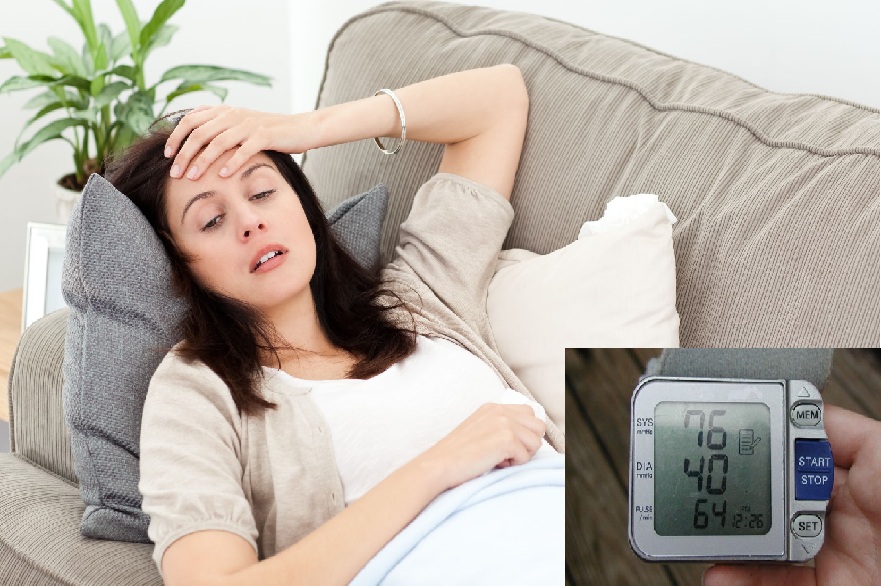
A sudden drop in blood pressure can cause the heart to beat faster as the body attempts to maintain circulation.
You may notice:
-
A racing heartbeat
-
Palpitations
-
A pounding sensation in the chest
-
Weakness accompanied by a fast pulse
This can happen with dehydration or a sudden blood-pressure drop, but there are many other possible causes of a rapid heartbeat.
Anemia, fever, anxiety, thyroid problems, abnormal heart rhythms, stimulants, certain medications, and other conditions can all produce palpitations.
If a fast or irregular heartbeat repeatedly occurs with dizziness, fainting, chest discomfort, or shortness of breath, seek medical evaluation.
Why Does Blood Pressure Become Too Low?
Low blood pressure has many possible causes.
One of the most common is dehydration.
When your body loses more fluid than it replaces, blood volume can fall, potentially lowering blood pressure.
This can happen after:
-
Heavy sweating
-
Fever
-
Vomiting
-
Diarrhea
-
Prolonged exercise
-
Not drinking enough fluids
Certain medications can also lower blood pressure.
These include some medications used to treat:
-
High blood pressure
-
Heart conditions
-
Depression
-
Anxiety
-
Other medical conditions
If your symptoms started after beginning or changing a medication, don't stop the medication on your own. Instead, contact the prescribing clinician.
Low Blood Pressure After Standing
One particularly common form is orthostatic hypotension.
This occurs when blood pressure drops significantly after moving from sitting or lying down to standing.
You might feel completely normal while lying in bed, but within seconds of standing, you become dizzy or unsteady.
It can be associated with:
-
Dehydration
-
Certain medications
-
Prolonged bed rest
-
Aging
-
Diabetes-related nerve dysfunction
-
Some neurological conditions
-
Certain heart conditions
If this happens frequently, it should be evaluated.
Repeated episodes can increase the risk of falls, particularly among older adults.
How to Check Your Blood Pressure Correctly
If you suspect your blood pressure may be low, checking it can provide useful information.
For a more reliable home reading:
-
Sit quietly for about five minutes.
-
Keep your back supported.
-
Place both feet flat on the floor.
-
Rest your arm at approximately heart level.
-
Use a properly sized upper-arm cuff when possible.
-
Avoid talking during the measurement.
-
Take more than one reading if appropriate.
If symptoms occur specifically after standing, a healthcare professional may also want to compare your blood pressure and heart rate while lying or sitting and after standing.
Don't focus on a single isolated number.
A reading that is low for one person may be normal for another, while a significant drop from your usual blood pressure can be important even if the final number doesn't appear extremely low.
What Can You Do If You Feel Lightheaded?
If you suddenly feel dizzy or faint, the immediate priority is preventing a fall.
Sit down or lie down.
Don't try to “push through” severe dizziness while standing.
If possible, lie flat and raise your legs.
Once the episode passes, consider what may have contributed to it.
Were you exercising in the heat? Had you been drinking enough? Had you recently had vomiting or diarrhea? Did you take a new medication? Did you stand up unusually quickly?
These details can be helpful when discussing symptoms with a healthcare professional.
Staying Hydrated Can Help—But Don't Overdo It
For people whose low blood pressure is related to fluid loss, replacing fluids can help.
Drink water regularly and increase intake appropriately during hot weather, exercise, or illness.
However, people with certain heart or kidney conditions may have specific fluid restrictions.
Similarly, increasing salt intake is sometimes recommended for particular cases of low blood pressure, but it isn't appropriate for everyone.
If you have hypertension, heart disease, kidney disease, or another condition affected by sodium, ask your healthcare professional before deliberately increasing salt.
Eat Regularly if Large Meals Trigger Symptoms
Some people experience a blood-pressure drop after eating, particularly older adults or people with certain medical conditions.
This is known as postprandial hypotension.
If you repeatedly feel dizzy or weak after large meals, discuss the pattern with a healthcare professional.
In some cases, smaller meals spread throughout the day may be helpful.
A balanced diet containing adequate fluids, protein, whole foods, and appropriate amounts of carbohydrates can also support overall health.
When Low Blood Pressure Could Be an Emergency
Not every low blood-pressure reading is dangerous.
However, severely low blood pressure accompanied by serious symptoms can be an emergency.
Seek urgent medical help if low blood pressure or faintness occurs with:
-
Chest pain
-
Severe shortness of breath
-
Confusion
-
Loss of consciousness
-
Severe weakness
-
Cold, clammy or very pale skin
-
Rapid deterioration
-
Heavy bleeding
-
Signs of a severe allergic reaction
-
High fever with severe illness
Extremely low blood pressure can occur in conditions such as severe infection, major blood loss, severe allergic reactions, or serious heart problems.
These situations require immediate medical attention rather than home treatment.
Don't Try to Diagnose the Cause Yourself
Dizziness and weakness are common symptoms with many possible explanations.
Low blood pressure is only one possibility.
Similar symptoms can occur with:
-
Anemia
-
Low blood sugar
-
Dehydration
-
Inner-ear disorders
-
Heart rhythm problems
-
Medication side effects
-
Thyroid disorders
-
Infections
-
Anxiety or panic
-
Neurological conditions
That is why repeatedly experiencing these symptoms is a reason to seek professional evaluation rather than simply assuming you need more salt or water.
A healthcare professional can look at your blood pressure pattern, medications, medical history, heart rate, and other symptoms to determine what may be happening.
The Bottom Line
Low blood pressure isn't automatically dangerous.
For some people, naturally low blood pressure causes no problems at all. The concern arises when blood pressure drops enough to cause symptoms or when a person's usual blood pressure suddenly changes.
Dizziness, unusual weakness, blurred vision, fainting or near-fainting, nausea, cold or clammy skin, and a rapid heartbeat can all occur during episodes of low blood pressure.
If these symptoms happen repeatedly - especially when you stand up—it's worth having your blood pressure checked and discussing the pattern with a healthcare professional.
And if severe symptoms such as fainting, chest pain, confusion, significant breathing difficulty, heavy bleeding, or rapidly worsening weakness occur, don't wait to see whether the problem resolves on its own.
Your blood pressure is only one number, but the symptoms accompanying that number can tell a much bigger story.