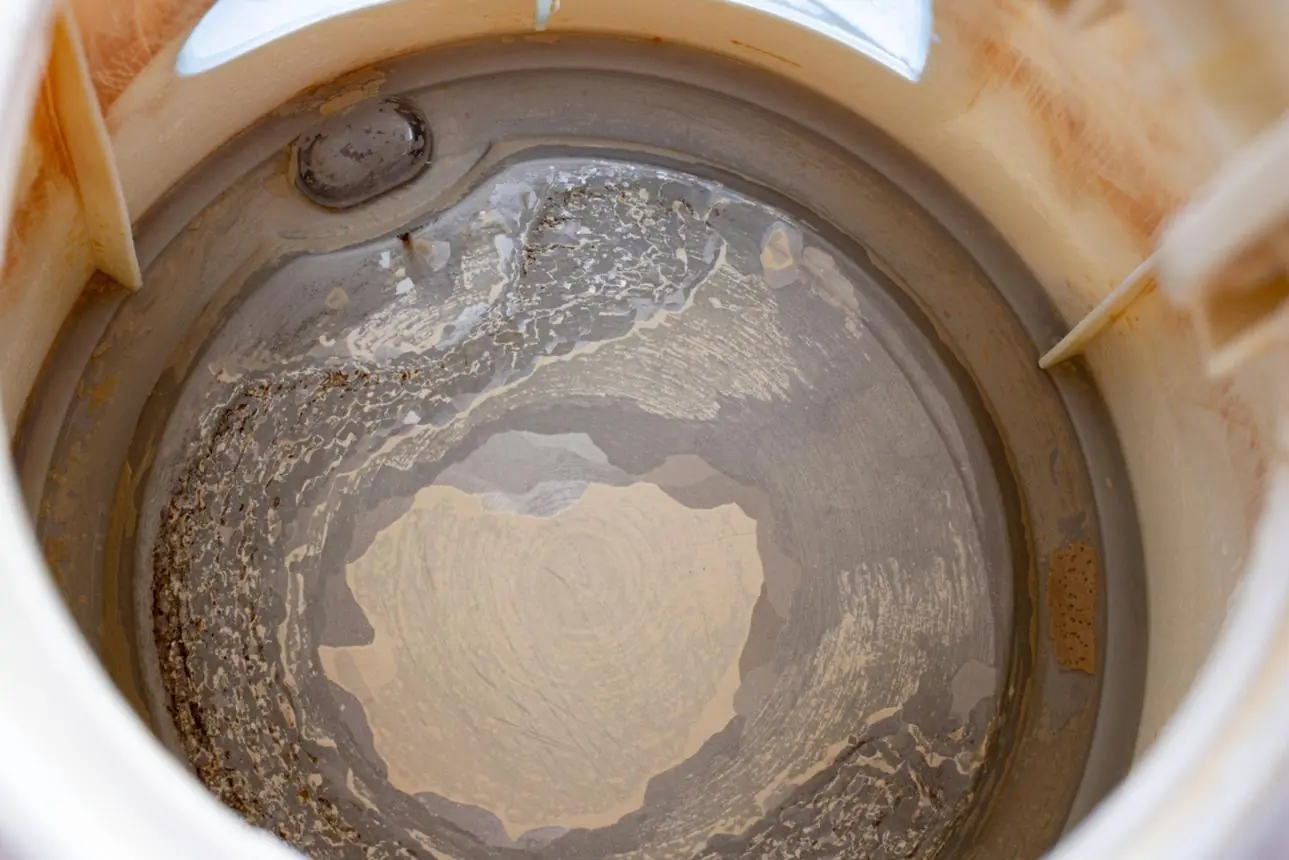
Electric Kettle Safety: 4 Signs It May Be Time to Replace Your Appliance
A well-maintained kettle helps ensure safer water and longer appliance life.
Health 25/07/2026 04:44
Burns are common household injuries that can happen while cooking, using hot water, handling steam, or touching hot objects. Acting quickly with the right first aid can help reduce pain, limit skin damage, and promote healing. However, severe burns require immediate medical attention and should not be treated at home.
Here are 10 evidence-based steps to care for a minor burn safely.
The first and most important step is to cool the burned area.
Hold the burn under cool (not ice-cold) running water for about 20 minutes.
If running water isn't available, apply a clean, cool, wet compress.
Cooling the burn helps reduce heat in the tissue, relieve pain, and may limit further skin damage.
Do not use ice, as it can worsen tissue injury.
Before swelling begins, gently remove:
Rings
Watches
Bracelets
Tight clothing near the burn
If clothing is stuck to the burn, do not pull it off. Seek medical care instead.
After cooling the burn:
Pat the skin dry gently.
Cover it with a sterile, non-stick dressing or clean plastic wrap designed for first aid.
Wrap loosely to avoid pressure.
This helps protect the wound from infection and reduces discomfort.
Wash your hands before touching the burn.
Change the dressing daily or whenever it becomes wet or dirty.
Keeping the wound clean supports healing and lowers the risk of infection.
Blisters act as a natural protective barrier.
Do not:
Pop blisters.
Cut away loose skin.
If a blister breaks on its own, gently clean the area and apply a clean dressing.
Minor burns can be painful.
If appropriate for you, over-the-counter pain relievers such as acetaminophen or ibuprofen may help reduce pain. Always follow the label instructions or your healthcare provider's advice.
Once the burn has started to heal and the skin is no longer open, applying a fragrance-free moisturizer or a simple petroleum jelly can help reduce dryness and itching.
Avoid applying creams or lotions to freshly burned, open skin unless recommended by a healthcare professional.

Newly healed skin is especially sensitive to sunlight.
Cover the area with clothing or use a broad-spectrum sunscreen (SPF 30 or higher) after the skin has fully healed to help reduce discoloration.
Some traditional remedies may actually increase the risk of infection or slow healing.
Do not apply:
Butter
Toothpaste
Cooking oil
Raw egg
Flour
Ice directly on the burn
These methods are not recommended by modern medical guidelines.
Your body needs nutrients to repair damaged skin.
A healthy diet rich in:
Protein
Vitamin C
Zinc
Fruits and vegetables
can support the natural healing process.
Drinking enough water also helps maintain healthy skin.
See a healthcare professional immediately if the burn:
Is larger than the palm of your hand.
Involves the face, eyes, hands, feet, genitals, or major joints.
Appears deep, white, charred, or leathery.
Was caused by electricity or chemicals.
Shows signs of infection, such as increasing redness, swelling, pus, or fever.
Causes severe pain that does not improve.
Occurs in a very young child, older adult, or someone with a weakened immune system.
Healing time depends on the depth of the burn:
Superficial (first-degree) burns: Usually heal within 3–7 days.
Superficial partial-thickness burns: Often heal within 1–3 weeks.
Deeper burns: May take much longer and often require medical treatment.
The fastest and safest way to treat a minor burn is to cool it under cool running water for about 20 minutes, gently cover it with a clean, non-stick dressing, and keep the area clean while it heals. Avoid ice, butter, toothpaste, and other home remedies that may worsen the injury.
If the burn is large, deep, caused by chemicals or electricity, or affects sensitive areas of the body, seek medical attention immediately. Prompt and appropriate care can reduce complications and improve healing.
A well-maintained kettle helps ensure safer water and longer appliance life.

Healthy daily habits play a major role in protecting your liver for life.

Safe chicken preparation helps prevent serious foodborne illnesses every day.
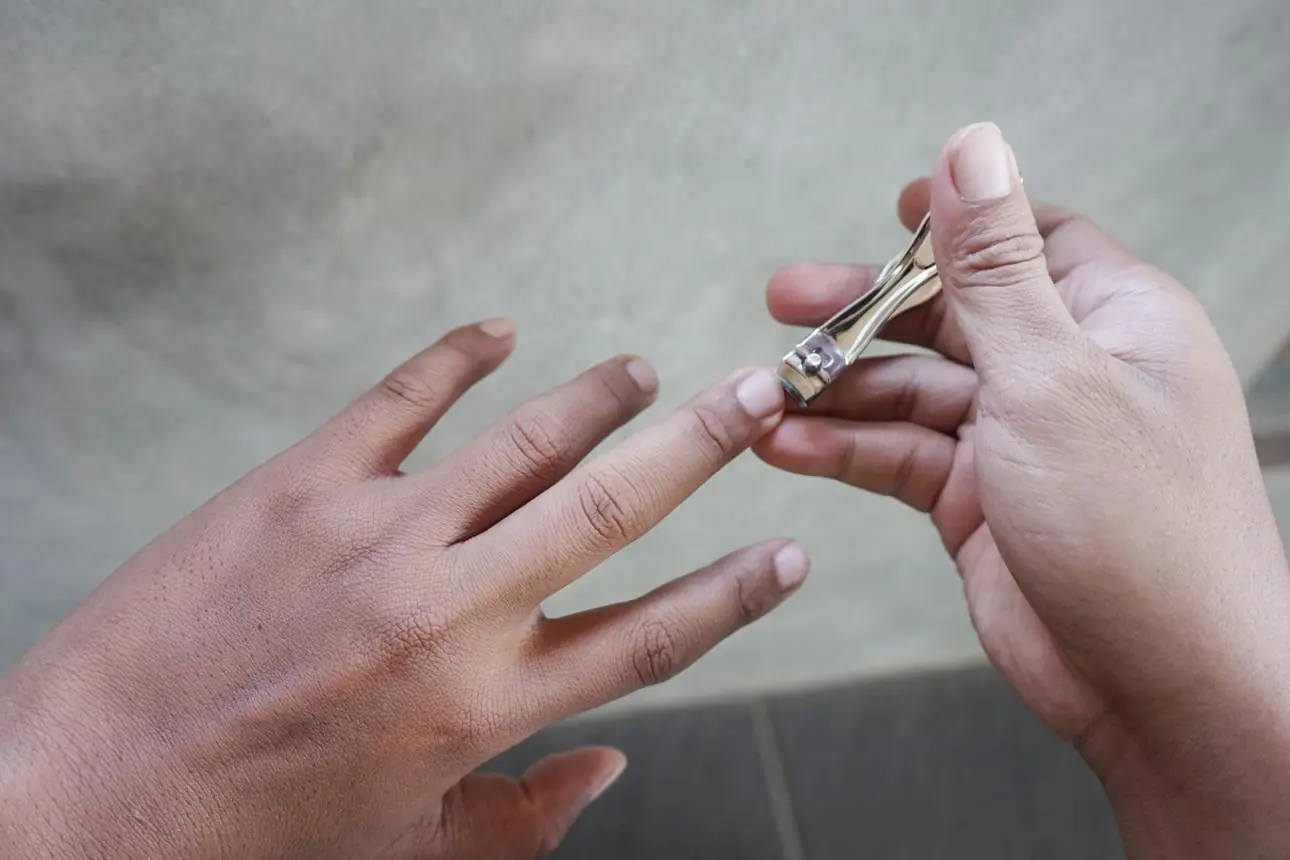
A single long fingernail can have practical, cultural, or personal meanings.
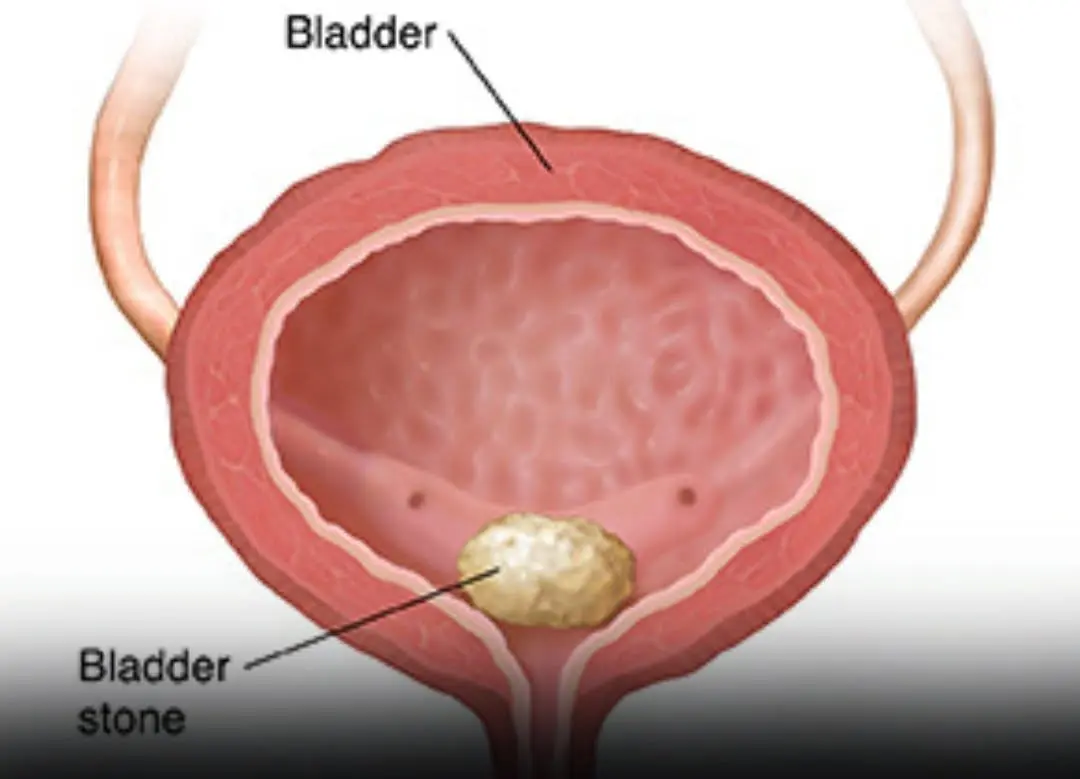
Is Your Body Sending a Signal? Early Signs of Bladder Can:cer
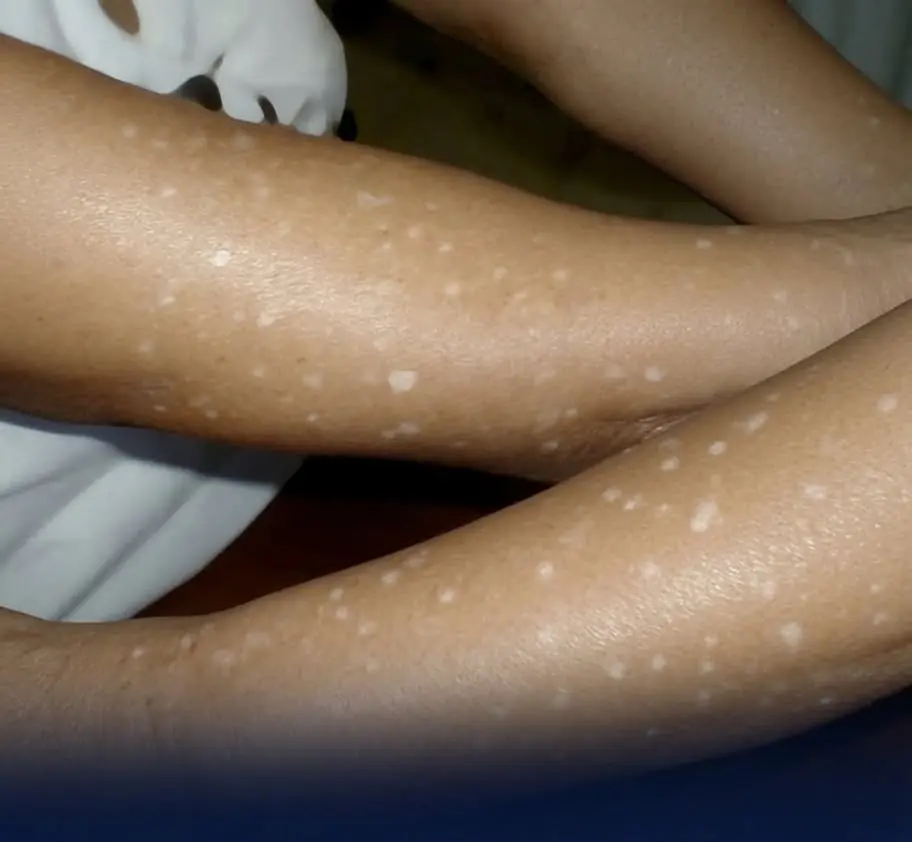
Experts Reveal What White Patches on Your Skin Could Be Trying to Tell You
Doctors reveal that eating walnuts causes...See more
Frequent Gas Could Be a Sign of Something More—Especially If You Notice These Symptoms

People whose mouths feel dry when sleeping at night need to know these 8 reasons
Jugular Vein Distension: Possible Causes and When to Seek Medical Care
Hidden Signs of Heart Blockage: What Your Feet and Legs May Be Telling You at Night
3 selfish habits of husbands that increase their wives’ risk of cer.vical c.a.n.c.e.r

If You Keep Waking Up at 3 or 4 A.M., Don't Ignore These Possible Reasons...
Wake Up With These Symptoms? Here's What They Could Mean for Your Lung Health
Could Your Diet Affect Cancer Risk? Here Are 11 Foods to Know About
A well-maintained kettle helps ensure safer water and longer appliance life.
Healthy daily habits play a major role in protecting your liver for life.
Safe chicken preparation helps prevent serious foodborne illnesses every day.
A single long fingernail can have practical, cultural, or personal meanings.
Is Your Body Sending a Signal? Early Signs of Bladder Can:cer
Experts Reveal What White Patches on Your Skin Could Be Trying to Tell You
Doctors reveal that eating walnuts causes...See more
Frequent Gas Could Be a Sign of Something More—Especially If You Notice These Symptoms
People whose mouths feel dry when sleeping at night need to know these 8 reasons
Jugular Vein Distension: Possible Causes and When to Seek Medical Care
Hidden Signs of Heart Blockage: What Your Feet and Legs May Be Telling You at Night
3 selfish habits of husbands that increase their wives’ risk of cer.vical c.a.n.c.e.r
If You Keep Waking Up at 3 or 4 A.M., Don't Ignore These Possible Reasons...
Wake Up With These Symptoms? Here's What They Could Mean for Your Lung Health
Could Your Diet Affect Cancer Risk? Here Are 11 Foods to Know About