Five Vegetables That May Harbor Hidden Worms — Why Eating Them Raw Can Be Risky
Eating raw vegetables is often associated with a healthy lifestyle. Fresh salads, smoothies, and plant-based dishes are rich in vitamins, minerals, and fiber. However, not all vegetables are completely safe to eat raw. Some may carry hidden parasites, larvae, or microscopic organisms that can pose health risks if not properly cleaned or cooked.
Below are five vegetables — including water caltrop — that require extra caution before consuming raw.
1. Water Spinach (Morning Glory)

Water spinach grows in aquatic environments such as ponds, rivers, and wetlands. Because of this, it is particularly vulnerable to contamination by parasites and bacteria present in stagnant water.
Eating raw or undercooked water spinach may expose you to parasites that can affect the digestive system. Thorough washing and cooking are strongly recommended to eliminate potential risks.
2. Water Caltrop (Củ Ấu)
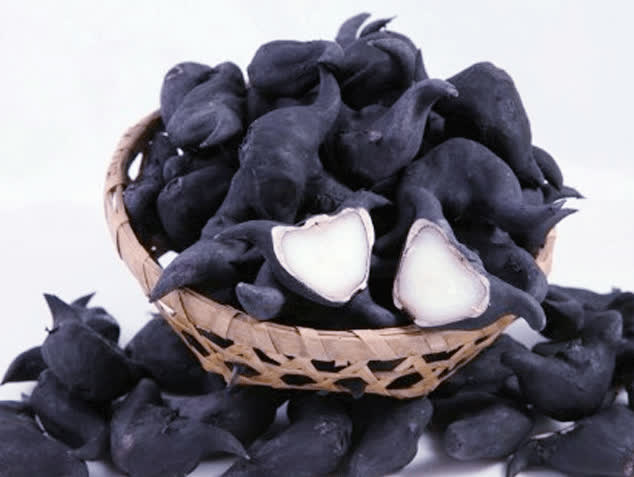
Water caltrop is a popular aquatic plant in many Asian countries, recognizable by its distinctive horned shape. It grows submerged in muddy water, which makes it an ideal environment for parasites, including fluke larvae.
While water caltrop is sometimes eaten after minimal preparation, consuming it raw or insufficiently cooked can increase the risk of parasitic infections. Boiling or steaming thoroughly is the safest way to enjoy this nutritious food.
3. Lettuce
Lettuce is a staple in salads and often eaten raw. However, its layered leaves can trap dirt, bacteria, and tiny parasite eggs that are difficult to see with the naked eye.
If not washed carefully, these contaminants may lead to digestive issues. Always separate the leaves and rinse them thoroughly under running water before consumption.
4. Cabbage

Cabbage, especially when grown in open fields, can harbor small worms or insect larvae hidden deep within its tightly packed layers.
Although it is commonly used in raw dishes like coleslaw or salads, cabbage should be washed carefully, and in some cases lightly cooked, to reduce the risk of ingesting unwanted organisms.
5. Watercress
Watercress thrives in clean-looking but often parasite-rich water environments. It has been associated with liver fluke infections when consumed raw.
Because it grows in water, similar to water spinach and water caltrop, it carries a higher risk of contamination. Cooking watercress significantly reduces these dangers.
How to Reduce the Risk
To safely enjoy vegetables, consider these precautions:
- Wash thoroughly under running water
- Soak in salt water or vinegar solution when appropriate
- Peel when possible
- Cook vegetables, especially those grown in water environments
- Avoid eating raw vegetables from unknown or untrusted sources
Final Thoughts
Vegetables are an essential part of a balanced diet, but food safety should never be overlooked. While the risk of parasites is not present in every case, certain vegetables — especially those grown in water or soil-rich environments — are more susceptible.
Taking simple precautions like proper washing and cooking can help you enjoy these foods safely while still benefiting from their nutritional value.