Flushing the toilet after using the bathroom seems like one of those things that requires no thought. You finish urinating, press the handle, and move on.
But some people have started asking whether flushing after every urination is always necessary, particularly when using a private bathroom at home.
The answer is more nuanced than a simple yes or no.
For hygiene, odor control, and shared bathrooms, flushing after urination is generally the appropriate habit. However, in certain private household situations, some people may choose to flush less frequently to reduce water consumption. This is where the familiar phrase "if it's yellow, let it mellow" comes from.
That doesn't mean urine should routinely be left sitting in a toilet indefinitely, and it certainly doesn't mean people should avoid flushing when hygiene or sanitation is a concern.
Instead, the issue comes down to water conservation, bathroom hygiene, household circumstances, and common sense.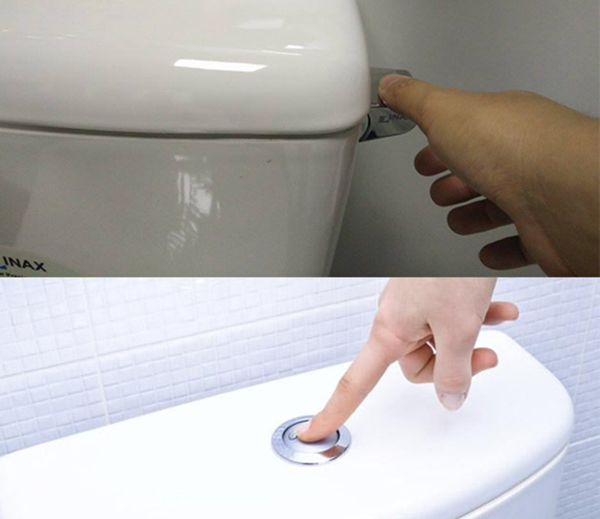
Why Do People Flush After Every Urination?
The main reason is hygiene.
Urine is primarily water, along with dissolved waste products and minerals. Fresh urine from a healthy person is generally not considered highly infectious.
But once urine sits in a toilet, several things can happen.
The bathroom may develop an unpleasant odor.
Mineral deposits can accumulate.
The toilet bowl can become less pleasant to use.
And if multiple people use the same toilet without flushing, the overall cleanliness of the bathroom can deteriorate.
Flushing also removes urine from the bowl and sends it into the wastewater system, where it can be appropriately treated.
So there is nothing inherently unhealthy about flushing after urination.
In many circumstances, flushing is simply the cleaner and more practical choice.
The Main Reason Some People Skip a Flush: Water Conservation
The strongest argument for occasionally skipping a flush has little to do with health.
It is about water consumption.
Every toilet flush uses water.
Older toilets can use considerably more water per flush than modern high-efficiency models.
If a household flushes several times a day, every day, the total amount of water can add up.
For example, imagine a household with four people.
If each person urinates five times a day and the toilet uses about 6 liters per flush, that's:
4 × 5 × 6 = 120 liters of water per day.
Over a year, that would be roughly 43,800 liters used for those flushing events alone.
A modern water-efficient toilet can use considerably less, but the basic principle remains:
More flushes = more water used.
For households trying to reduce water consumption, skipping an occasional flush in a private bathroom can therefore save some water.
Does Urine Become Dangerous If You Don't Flush Immediately?
For most healthy people, simply leaving a small amount of urine in a toilet for a short period does not automatically create a serious health hazard.
Urine itself is not equivalent to sewage.
However, the situation changes if there is fecal contamination.
Stool can contain a wide range of microorganisms, including bacteria, viruses, and parasites. That's why toilets should be flushed promptly after bowel movements.
The hygiene concerns associated with urine alone are generally much lower than those associated with feces.
Still, leaving urine in the bowl repeatedly can lead to odor and buildup, particularly if the toilet isn't cleaned regularly.
What About Toilet Germs?
Toilets can contain microorganisms, especially on surfaces that are frequently touched.
The flush handle, toilet seat, lid, bathroom door handle, and faucet can all become contaminated.
This is why handwashing after using the toilet remains one of the most important hygiene habits, regardless of whether you flush immediately.
Wash your hands thoroughly with soap and water after using the bathroom.
If soap and water aren't available, an alcohol-based hand sanitizer can be used as an alternative in many situations, although washing with soap and water is preferred when hands are visibly dirty.
Does Flushing Spread Germs Into the Air?
This is a more complicated issue.
Flushing a toilet can generate small droplets and aerosols, a phenomenon sometimes referred to as a toilet plume.
Some microorganisms can potentially become airborne during flushing.
Research has demonstrated that flushing can disperse droplets and particles around the toilet area, although the real-world infection risk depends on many factors.
Closing the toilet lid before flushing may reduce some forms of spray, but it does not completely eliminate aerosolization, because many toilets are not designed to create an airtight seal when the lid is closed.
The most practical hygiene measures remain:
-
Flush appropriately
-
Keep the toilet clean
-
Wash your hands
-
Clean frequently touched bathroom surfaces
-
Keep toothbrushes and personal items away from obvious contamination
Should You Close the Lid Before Flushing?
If your toilet has a lid, closing it before flushing is reasonable, particularly if you're concerned about droplets.
But don't assume that closing the lid makes the toilet completely contamination-free.
A toilet lid is not an airtight barrier.
The best approach is to combine good bathroom hygiene with regular cleaning.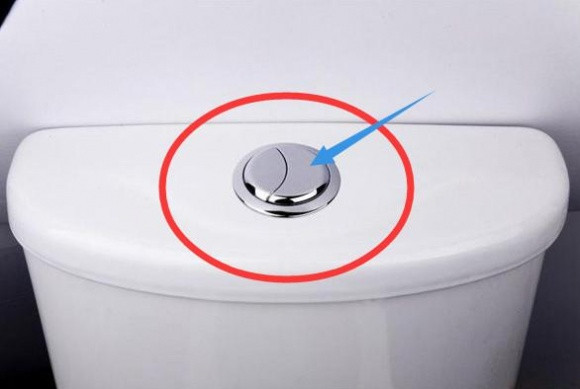
What About Urine Odor?
Odor is one of the biggest practical reasons to flush.
Fresh urine generally has a relatively mild smell.
But as urine sits and begins to interact with microorganisms and surfaces in the toilet, the smell can become stronger.
The characteristic ammonia-like odor associated with old urine is particularly noticeable in bathrooms that are poorly ventilated.
This is why skipping every flush may be more reasonable in a private bathroom for a short period than leaving urine in the bowl all day or overnight.
If several people share the same bathroom, odor can quickly become an issue.
Could Leaving Urine in the Toilet Damage the Toilet?
Occasionally leaving urine in the bowl is unlikely to destroy a toilet.
However, repeated accumulation can contribute to mineral deposits and staining, particularly in areas with hard water.
Urine contains minerals and other compounds that can contribute to deposits when allowed to remain on surfaces.
Over time, a neglected toilet may develop:
-
Yellow or brown staining
-
Mineral buildup
-
Strong odors
-
A less hygienic appearance
Regular cleaning can reduce these problems.
If your toilet already has significant mineral buildup, a suitable bathroom descaler or professional cleaning approach may be necessary.
What About People With Urinary Tract Infections?
If someone has a urinary tract infection, urine itself isn't necessarily the main concern in terms of toilet hygiene.
However, people with UTIs may urinate more frequently, experience urgency, or have discomfort.
There is no medical rule saying that someone with a UTI must flush after every single urination for their own safety.
The more important issue is getting appropriate treatment and staying hydrated according to medical advice.
Symptoms such as burning during urination, frequent urgency, lower abdominal discomfort, blood in the urine, fever, or back/flank pain should be discussed with a healthcare professional.
Fever and flank pain can be signs of a more serious kidney infection and warrant prompt evaluation.
What If Someone in the Household Is Sick?
This is one situation where regular flushing and cleaning become more important.
If someone has a gastrointestinal infection, such as vomiting or diarrhea caused by an infectious organism, bathroom hygiene deserves extra attention.
Flush promptly after bowel movements and clean frequently touched surfaces regularly.
Don't share towels, and wash hands thoroughly.
If possible, the sick person can use a separate bathroom until they recover.
The main concern in these circumstances is fecal contamination, not ordinary urine.
What About Public Bathrooms?
The water-conservation argument is much weaker in a public or shared bathroom.
If you're using a public restroom, workplace bathroom, restaurant bathroom, school bathroom, or another shared facility, flush after urinating.
Other people should not have to encounter someone else's urine.
In a shared environment, hygiene and consideration for others are more important than saving one flush of water.
What About Overnight?
Some people choose not to flush after nighttime urination because they don't want to disturb sleeping family members.
In a private bathroom, this is generally a personal choice.
If the bathroom is clean, only urine is present, and the toilet will be flushed later, the immediate health risk is generally low for most healthy households.
However, if odor, staining, or cleanliness becomes an issue, flushing after each use is the more practical option.
A quieter toilet may also solve the problem without requiring urine to remain in the bowl.
Modern Toilets Make a Difference
Not all toilets use the same amount of water.
Older toilets may use substantially more water per flush than modern high-efficiency models.
If you're trying to reduce household water consumption, upgrading to a water-efficient toilet may be more effective than simply avoiding every flush.
Dual-flush toilets can also provide different flush volumes depending on whether you're disposing of liquid waste or solid waste.
In addition, fixing leaks can save surprisingly large amounts of water.
A leaking toilet may waste hundreds of liters of water over time, depending on the severity of the leak.
So if water conservation is the goal, look at the entire bathroom rather than focusing exclusively on whether to flush after urination.
A Simple Rule for Different Situations
There's no need to make bathroom habits complicated.
A practical approach is:
After urinating alone at home
Occasionally delaying a flush may be reasonable if you're intentionally conserving water and the toilet is private.
After bowel movements
Flush promptly.
Fecal matter can contain infectious microorganisms and should not be left sitting in the toilet.
In a shared bathroom
Flush after use.
This is more hygienic and considerate.
When someone is sick
Increase bathroom cleaning and hygiene, particularly after bowel movements.
In public bathrooms
Flush after every use.
Don't Forget the Most Important Bathroom Habit
Whether you flush immediately or occasionally delay a flush, one habit matters much more for preventing the spread of infections:
Wash your hands.
Use soap and running water and scrub all surfaces of your hands for around 20 seconds before rinsing.
Pay attention to:
-
Palms
-
Backs of hands
-
Between fingers
-
Thumbs
-
Fingertips
-
Around the nails
Then dry your hands properly.
You can have the cleanest toilet in the world, but failing to wash your hands after using it can still allow microorganisms to spread.
How Often Should You Clean Your Toilet?
There is no universal schedule that works for every household.
A frequently used shared toilet generally needs more frequent cleaning than a bathroom used by one person.
Regularly clean:
-
The toilet seat
-
Bowl
-
Flush handle
-
Lid
-
Surrounding floor
-
Nearby high-touch surfaces
Follow the instructions on your cleaning products and never mix bleach with ammonia or acidic cleaners, as dangerous gases can be produced.
Ventilate the bathroom appropriately while cleaning.
Is There Any Health Benefit to Not Flushing?
Not really.
Skipping a flush is primarily a water-saving strategy, not a health treatment.
There is no good reason to believe that allowing urine to remain in the toilet provides a direct health benefit.
If someone claims that not flushing urine "helps your kidneys," "detoxes the body," or prevents disease, those claims should be viewed skeptically.
Your kidneys regulate waste and fluid balance inside your body. Leaving urine in a toilet doesn't change that process.
What About Urine Color?
If you're concerned about hydration, the toilet can sometimes provide a visual clue because urine color varies with hydration, diet, medications, and other factors.
Pale yellow urine is commonly consistent with adequate hydration, while dark yellow urine can occur with dehydration.
But urine color is not a diagnostic test.
Certain foods, vitamins, medications, and medical conditions can change urine color.
If you notice persistent blood in your urine, very dark urine without an obvious explanation, unusually cloudy urine, or major changes in urination, discuss them with a healthcare professional.
The Bottom Line
Flushing after every urination is not medically mandatory in every private household situation.
For someone using a private bathroom, occasionally delaying a flush can conserve water, particularly with older toilets that use larger amounts of water per flush.
But there are good reasons to flush regularly:
-
It controls odor.
-
It keeps the toilet cleaner.
-
It reduces urine buildup.
-
It makes shared bathrooms more hygienic.
-
It is considerate of other users.
After bowel movements, prompt flushing is much more important because fecal matter can contain infectious microorganisms.
And regardless of your flushing habits, handwashing remains one of the most important ways to reduce the spread of infection.
So the viral idea that you should never flush after urinating is too extreme.
Likewise, the idea that failing to flush immediately is inherently dangerous is also misleading.
If you're at home, occasionally skipping a flush may be a reasonable way to save water. If the bathroom is shared, public, smelly, dirty, or contaminated with feces, flush.
In the end, good bathroom hygiene is less about following an absolute rule and more about balancing water conservation with cleanliness, sanitation, and consideration for others.