Heart-Healthy Foods That Could Help Keep Your Arteries Clear and Healthy
Heart disease remains one of the leading causes of death worldwide, but many cases can be prevented through healthy lifestyle choices. One of the most effective ways to support cardiovascular health is by eating a balanced diet rich in nutrients that help protect blood vessels and maintain healthy cholesterol levels.
While no single food can "clean" clogged arteries or reverse advanced atherosclerosis, research shows that certain foods may help reduce inflammation, improve cholesterol levels, support healthy blood pressure, and slow the progression of plaque buildup.
Here are some of the best foods to include in a heart-friendly diet.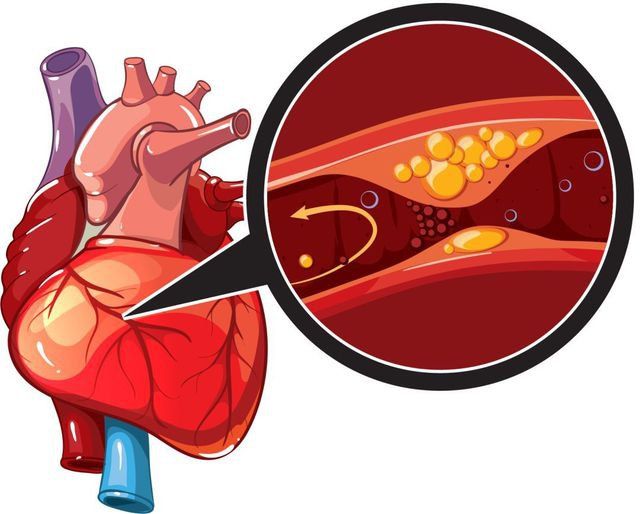
1. Oats
Oats are an excellent source of soluble fiber, particularly beta-glucan. This type of fiber helps lower LDL ("bad") cholesterol by reducing its absorption in the digestive tract.
Starting your day with a bowl of oatmeal may help:
- Lower LDL cholesterol
- Improve blood sugar control
- Support long-term heart health
Aim for minimally processed oats without added sugar for the greatest benefits.
2. Fatty Fish
Fish such as salmon, sardines, mackerel, trout, and herring are rich in omega-3 fatty acids.
Omega-3s have been shown to:
- Reduce triglycerides
- Lower inflammation
- Help maintain healthy blood pressure
- Support normal heart rhythm
Health experts generally recommend eating fatty fish at least twice per week.
3. Leafy Green Vegetables
Spinach, kale, Swiss chard, collard greens, and arugula provide vitamins, minerals, antioxidants, and dietary nitrates.
These nutrients may help:
- Improve blood vessel function
- Support healthy blood pressure
- Reduce oxidative stress
Leafy greens are also low in calories while being highly nutritious.
4. Berries
Blueberries, strawberries, raspberries, and blackberries are packed with antioxidants called anthocyanins.
Research suggests these compounds may:
- Reduce inflammation
- Protect blood vessels
- Improve vascular function
- Support healthy cholesterol levels
Fresh or frozen berries both provide valuable nutrients.
5. Avocados
Avocados contain heart-healthy monounsaturated fats that can help improve cholesterol profiles when they replace saturated fats in the diet.
They are also rich in:
- Potassium
- Fiber
- Vitamin E
- Folate
These nutrients contribute to overall cardiovascular wellness.
6. Nuts
Almonds, walnuts, pistachios, pecans, and hazelnuts provide healthy fats, protein, fiber, magnesium, and antioxidants.
Regular consumption of nuts has been associated with:
- Lower LDL cholesterol
- Reduced inflammation
- Improved blood vessel health
Because nuts are calorie-dense, moderation is important. A small handful (about 1 ounce or 28 grams) is generally considered an appropriate serving.
7. Olive Oil
Extra virgin olive oil is a cornerstone of the Mediterranean diet, one of the most researched eating patterns for heart health.
It contains:
- Monounsaturated fats
- Polyphenol antioxidants
Using olive oil instead of butter or other saturated fats may help support healthy cholesterol levels and reduce cardiovascular risk.
8. Beans and Lentils
Legumes are inexpensive, versatile, and packed with nutrients.
They provide:
- Soluble fiber
- Plant protein
- Magnesium
- Potassium
Replacing some red meat with beans or lentils may improve overall heart health while reducing saturated fat intake.
9. Tomatoes
Tomatoes are rich in lycopene, a natural antioxidant that gives them their bright red color.
Some studies suggest lycopene may help:
- Reduce oxidative damage
- Support healthy blood vessels
- Lower inflammation
Cooked tomato products, such as tomato sauce, may provide even more absorbable lycopene than raw tomatoes.
10. Garlic

Garlic has been used in traditional medicine for centuries.
Some research indicates that garlic may have modest effects on:
- Blood pressure
- Cholesterol
- Blood vessel function
While garlic alone is not a treatment for cardiovascular disease, it can be a flavorful addition to a healthy diet.
11. Whole Grains
Whole grains like brown rice, quinoa, barley, and whole wheat contain more fiber and nutrients than refined grains.
Eating whole grains regularly has been associated with:
- Lower cholesterol
- Better blood sugar control
- Reduced risk of cardiovascular disease
Look for products labeled "100% whole grain."
12. Fruits Rich in Soluble Fiber
Apples, pears, oranges, and citrus fruits provide pectin, a soluble fiber that can help lower LDL cholesterol.
These fruits also contain:
- Vitamin C
- Antioxidants
- Potassium
Including a variety of fruits each day supports overall cardiovascular health.
Foods to Limit
Just as some foods help support healthy arteries, others may contribute to cardiovascular risk when consumed in excess.
Try to limit:
- Processed meats
- Sugary beverages
- Deep-fried foods
- Foods high in trans fats
- Excess saturated fat
- Highly processed snacks
- Excess sodium
Replacing these foods with healthier alternatives can make a meaningful difference over time.
Healthy Lifestyle Habits Matter Too

Diet is only one piece of cardiovascular health.
Other habits that support healthy arteries include:
- Exercising regularly
- Maintaining a healthy weight
- Not smoking
- Managing stress
- Getting enough sleep
- Keeping blood pressure, cholesterol, and blood sugar under control
- Following your healthcare provider's recommendations
Together, these lifestyle choices work alongside a balanced diet to reduce the risk of heart disease.
The Bottom Line
There is no magic food that can instantly "clear" clogged arteries. However, a diet rich in vegetables, fruits, whole grains, legumes, nuts, fatty fish, and healthy fats can help support healthy blood vessels, improve cholesterol levels, and reduce inflammation.
Combined with regular physical activity, avoiding tobacco, and routine medical care, these dietary choices can play an important role in maintaining a healthy heart throughout life.
Sources
- American Heart Association (AHA). Healthy Eating for a Healthy Heart. https://www.heart.org/
- National Heart, Lung, and Blood Institute (NHLBI). Heart-Healthy Living. https://www.nhlbi.nih.gov/
- Harvard T.H. Chan School of Public Health. The Nutrition Source – Healthy Eating Plate & Fats and Cholesterol. https://www.hsph.harvard.edu/nutritionsource/
- Mediterranean Diet and Cardiovascular Health. New England Journal of Medicine. Estruch R, et al. (2018).
- Dietary Fiber and Cardiovascular Disease. British Medical Journal (BMJ). Reynolds A, et al. (2019).
Medical Disclaimer: This article is for educational purposes only and should not be considered medical advice. If you have heart disease, chest pain, or concerns about your cardiovascular health, consult a qualified healthcare professional for personalized evaluation and treatment.