Foods You Should Never Reheat: Hidden Risks Lurking in Your Leftovers
Reheating leftovers is a common kitchen habit, helping reduce food waste and save time. However, not all foods respond well to being reheated. Some may lose nutrients, while others can even pose health risks if handled improperly.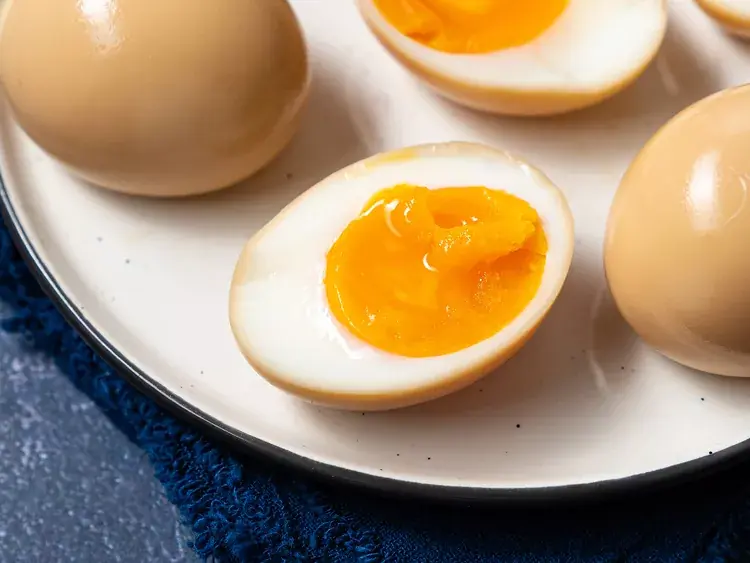
Experts warn that understanding which foods require extra caution can help prevent food poisoning and protect your health.
Why Reheating Can Be Risky
The main concern isn’t always the reheating itself—it’s how food is stored before being reheated.
Certain foods can harbor bacteria that produce toxins when left at room temperature. Even if reheated, these toxins may not be destroyed, increasing the risk of illness.
Common Foods You Should Be Careful Reheating
1. Rice
Rice is often at the top of the list.
Uncooked rice can contain spores of Bacillus cereus, which survive cooking. If rice is left out too long, these bacteria can multiply and produce toxins that reheating may not eliminate.
2. Potatoes
Cooked potatoes—especially those wrapped in foil—can create an environment where dangerous bacteria like Clostridium botulinum may grow.
If stored improperly, reheating may not make them safe again.
3. Chicken
Chicken is safe to reheat only if handled correctly.
Improper storage or uneven reheating can allow harmful bacteria such as Salmonella to survive, increasing the risk of food poisoning.
4. Eggs
Reheating eggs multiple times or at high temperatures can alter their protein structure, making them harder to digest and potentially unsafe if bacteria develop.
5. Spinach and Leafy Greens
Leafy vegetables like spinach contain natural nitrates.
When reheated, these can convert into nitrites and potentially harmful compounds, especially if reheated repeatedly.
6. Mushrooms
Mushrooms are sensitive to temperature changes.
After cooking, their protein structure begins to break down. Reheating them can lead to digestive discomfort or spoilage if not stored properly.

7. Oils and Certain Fats
Reheating oils—especially those with low smoke points—can cause them to degrade and form harmful compounds.
This is why some oils are better added after cooking rather than reheated.
The Real Issue: Storage and Handling
Experts emphasize that most foods are not inherently dangerous to reheat—the real risk comes from:
- Leaving food at room temperature too long
- Reheating multiple times
- Uneven heating that allows bacteria to survive
Proper food handling—cooling quickly, refrigerating promptly, and reheating thoroughly—is more important than avoiding specific foods altogether.
How to Reheat Food Safely
To reduce risks:
- Refrigerate leftovers within 1–2 hours
- Reheat food until it is steaming hot throughout
- Avoid reheating the same food multiple times
- Store food in small portions for quicker cooling
The Bottom Line
Many viral warnings about “never reheating certain foods” are exaggerated. In most cases, the real danger lies in improper storage—not reheating itself.
By following basic food safety practices, you can safely enjoy leftovers without unnecessary worry.