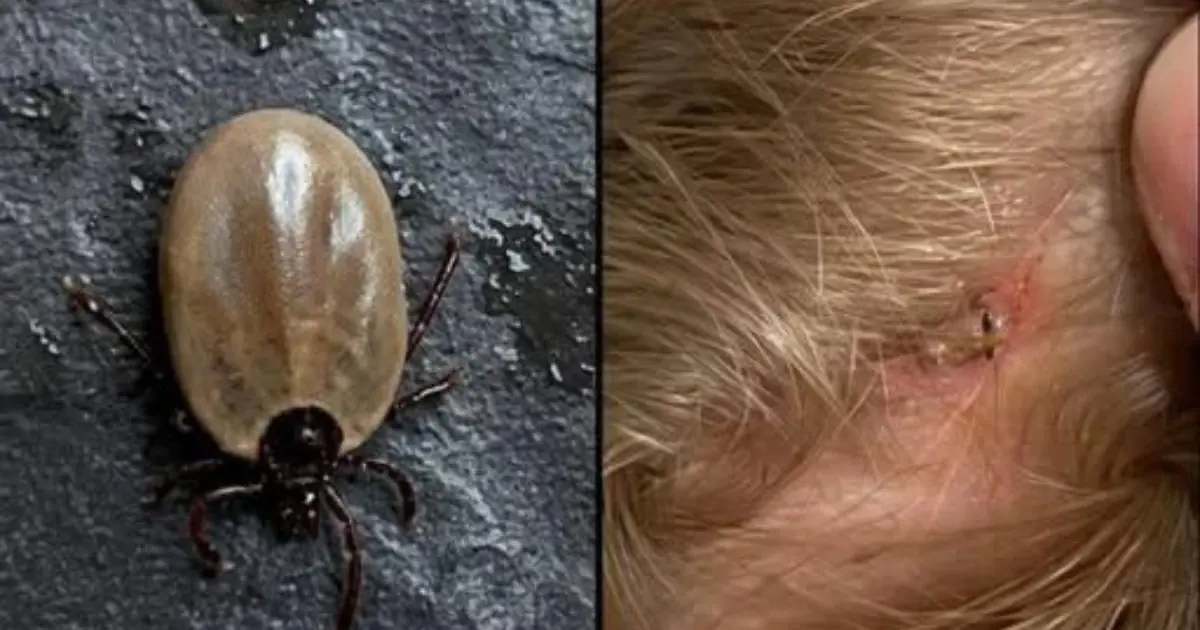
Found Something Crawling in Your Child’s Hair …Here’s How to Stay Calm and Handle It Effectively
Discover a practical, stress-free approach to dealing with lice, fleas, ticks, and other common household pests. This guide helps parents and caregivers respond confidently, protect their families, and maintain peace of mind.
The Moment Every Parent Dreads
Few things cause panic faster than spotting tiny insects—or what appear to be tiny insects—in your child’s hair. The immediate reaction is often a mix of confusion, worry, and urgency. Fortunately, finding lice or other pests is a common problem, and with the right knowledge, it can be managed effectively without turning your household upside down.
The key is to replace panic with a structured plan. Understanding what you’re dealing with allows you to take informed action, protect your family, and avoid unnecessary stress.
Step 1: Confirm What You’re Seeing
Before beginning treatment, it’s important to identify the problem correctly.
Perform a Careful Visual Inspection
Examine the scalp and hair under bright lighting, paying special attention to:
Behind the ears
The nape of the neck
Areas close to the scalp
Lice and their eggs (nits) often gather in these locations. A patient and thorough inspection can provide valuable clues and help prevent unnecessary treatments.
Take Clear Photos
A close-up photograph can help you identify suspicious spots and monitor changes over time. Photos are also useful if you need to consult a pharmacist, pediatrician, or dermatologist.
Seek Professional Advice When Needed
If you’re uncertain about what you’ve found, consult a healthcare professional. A proper diagnosis can save time, reduce anxiety, and ensure that the most appropriate treatment is used from the start.
Understanding Head Lice: What Every Parent Should Know
Knowledge is one of the most powerful tools in pest management.
The Head Louse Life Cycle
Head lice develop through three stages:
Nit (egg)
Nymph (young louse)
Adult louse
Because nits are firmly attached to the hair shaft, they can survive initial treatments if not removed properly. Understanding this cycle is essential for preventing reinfestation.
How Lice Spread
Contrary to popular belief, lice cannot jump or fly.
They spread primarily through:
Direct head-to-head contact
Sharing hairbrushes, hats, scarves, or hair accessories
Teaching children about these transmission methods can significantly reduce the risk of future outbreaks.
Nits vs. Dandruff: Know the Difference
Many parents mistake dandruff for lice eggs.
Nits: