Opening your refrigerator and finding a thick layer of frost building up inside can be frustrating. At first, it may seem like a serious mechanical problem that requires an expensive service call. But frost buildup is often caused by something surprisingly simple, and in some cases, you may be able to correct the problem yourself before calling a technician.
The key is understanding where the frost is forming, how quickly it returns, and what may be causing excess moisture to freeze inside the appliance.
A small amount of frost can be normal in some refrigerator designs. Heavy ice accumulation, however, can interfere with airflow, reduce cooling efficiency, and make the refrigerator work harder than necessary.
Before reaching for the phone, there are several things worth checking.
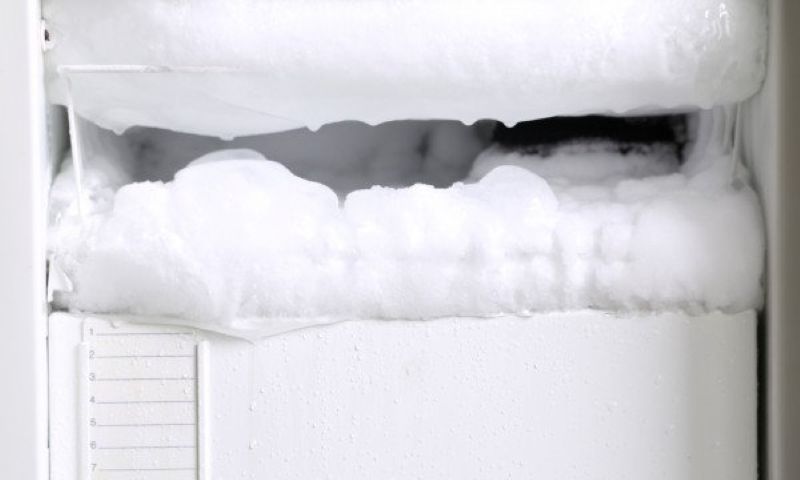
Why Does Frost Build Up Inside a Refrigerator?
Frost forms when moisture inside the refrigerator comes into contact with a sufficiently cold surface and freezes.
Every time you open the refrigerator door, warm and humid air can enter. That air contains moisture. When the moisture encounters a very cold surface, it can condense and freeze.
Under normal circumstances, modern frost-free refrigerators are designed to manage this moisture automatically.
So when you begin seeing thick frost, there may be an underlying issue affecting that process.
Common causes include:
-
The door isn't sealing properly
-
The door is being opened frequently
-
Hot food is being placed inside
-
Food is blocking air vents
-
The refrigerator is overfilled
-
The temperature is set too low
-
The defrost system isn't working properly
-
The refrigerator is located in an unusually warm or humid environment
The good news is that several of these problems are easy to investigate.
The Simple Fix to Try First: Check the Door Seal
One of the first things you should inspect is the rubber gasket around the refrigerator door.
This flexible seal is designed to keep cold air inside and prevent warm, humid air from entering.
If the gasket is dirty, warped, cracked, loose, or not making proper contact with the refrigerator frame, warm air can continuously leak into the compartment.
That additional moisture can eventually turn into frost.
Here's a simple test.
Close the refrigerator door on a thin piece of paper or a banknote.
Then gently try to pull it out.
If you feel some resistance, the seal is probably making reasonable contact at that spot.
If the paper slides out very easily, the gasket may not be sealing properly.
Try the test at several points around the door because a gasket can seal well in one area but have a gap somewhere else.
Clean the Gasket Before Assuming It Needs to Be Replaced
Sometimes the problem isn't a damaged gasket at all.
It may simply be dirty.
Food residue, grease, dust, and other debris can accumulate along the rubber seal and prevent it from making full contact with the refrigerator frame.
A simple cleaning may help.
Use a soft cloth with warm water and gently wipe the entire gasket.
Pay particular attention to the folds and corners.
After cleaning, dry the seal thoroughly and check whether it sits evenly against the refrigerator when the door closes.
Avoid using abrasive tools or harsh chemicals that could damage the rubber.
If the gasket is visibly cracked, torn, permanently deformed, or still fails to seal after cleaning, replacement may be necessary.
Check Whether Something Is Preventing the Door From Closing
This is another surprisingly common cause.
A large container, food package, drawer, or shelf item may be slightly sticking out and preventing the door from closing completely.
You might not notice the problem because the refrigerator can appear closed.
But even a small gap can allow warm, humid air to enter continuously.
Check the entire interior near the door.
Make sure containers aren't pressing against shelves or the door itself.
Also check whether refrigerator drawers are fully closed.
After rearranging the contents, close the door and inspect the seal again.
Don't Pack the Refrigerator Too Tightly
A refrigerator needs adequate airflow to distribute cold air.
If shelves are packed tightly with food, air may not circulate properly.
This can create areas that are colder than others and may contribute to frost formation in certain locations.
Look for the refrigerator's air vents.
Don't cover them with containers, bags, or food packages.
You don't necessarily need an empty refrigerator. The goal is simply to avoid blocking the designed airflow paths.
A little organization can make a surprisingly large difference.
Check the Temperature Setting
Another simple thing to investigate is the temperature.
If the refrigerator is set colder than necessary, surfaces may become cold enough for moisture to freeze more readily.
For many household refrigerators, the recommended refrigerator compartment temperature is around 37°F (3°C), although the appropriate setting varies by appliance and manufacturer.
The freezer is generally kept around 0°F (-18°C).
Use the manufacturer's recommendations whenever possible.
Don't assume that turning the refrigerator to its coldest setting will keep food safer.
A refrigerator that's unnecessarily cold can consume more energy and may contribute to freezing or frost problems.
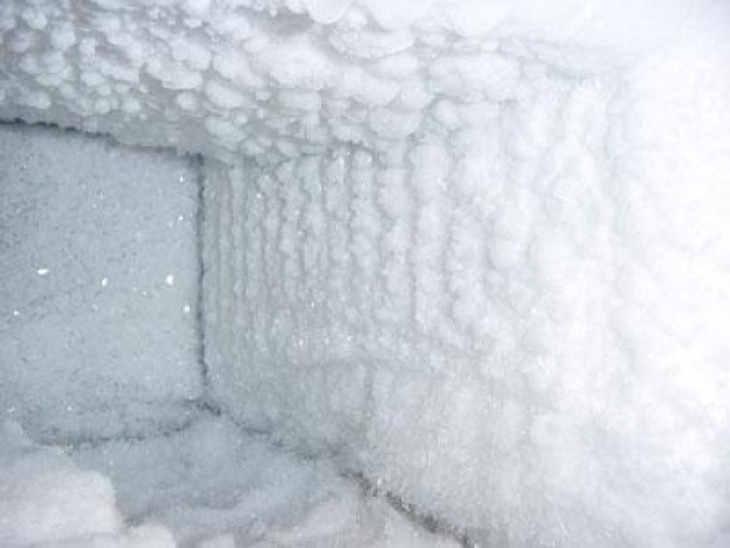
The Refrigerator May Be Too Full—or Too Empty
Both extremes can create problems with temperature distribution.
A completely overloaded refrigerator can restrict airflow.
But a very empty refrigerator may also experience larger temperature fluctuations depending on the appliance and how often the door is opened.
The most important point is to avoid blocking vents and allow air to circulate normally.
Arrange food so that cold air can move around the compartment.
Keep items away from areas where the manufacturer specifically indicates that airflow needs to remain unobstructed.
Be Careful With Hot Food
Placing a steaming pot of food directly into the refrigerator can introduce a significant amount of heat and moisture.
That moisture can condense inside the appliance and potentially contribute to frost.
This doesn't mean you should leave perishable food sitting at room temperature for hours.
Instead, follow safe food-handling practices and avoid putting very hot, uncovered food directly into the refrigerator.
Use suitable containers and allow food to cool appropriately before refrigeration, following food-safety guidance for your situation.
How Often Are You Opening the Door?
Every time the refrigerator door opens, some cold air escapes and warmer air enters.
If the door is opened repeatedly throughout the day, particularly in a warm or humid environment, the appliance has to work harder to restore the desired temperature.
The incoming moisture can also contribute to condensation and frost.
Try to avoid leaving the door open while deciding what to eat.
Organizing commonly used foods in easily accessible locations can also reduce unnecessary door-opening time.