Garlic has been treasured for thousands of years as both a culinary ingredient and a traditional health remedy. Ancient civilizations, including the Egyptians, Greeks, Romans, and Chinese, used garlic not only to flavor food but also to support health and vitality.
Today, garlic remains one of the most popular ingredients in kitchens around the world. It contains beneficial compounds that have been studied for their potential effects on heart health, immune function, and overall wellness. Because of its impressive nutritional profile, garlic is often referred to as a "superfood."
However, despite its many potential benefits, garlic is not always harmless. Like many healthy foods, consuming it incorrectly or in excessive amounts may lead to unwanted side effects. Understanding how to use garlic wisely can help you maximize its benefits while minimizing potential risks.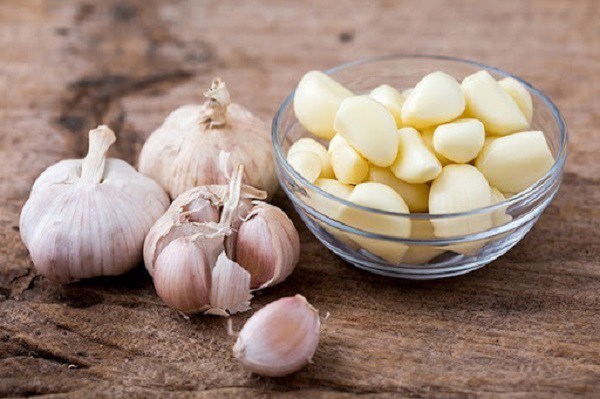
Why Garlic Is Considered a Superfood
Garlic is rich in nutrients and bioactive compounds.
A single clove contains small amounts of:
-
Vitamin C
-
Vitamin B6
-
Manganese
-
Selenium
-
Fiber
-
Antioxidants
One of garlic's most important compounds is allicin, which forms when fresh garlic is crushed, chopped, or chewed.
Allicin has attracted scientific interest because of its potential role in supporting:
-
Heart health
-
Immune function
-
Antioxidant activity
-
Healthy inflammatory responses
Although garlic is not a cure for disease, it can be a valuable part of a balanced diet.
Potential Health Benefits of Garlic
1. May Support Heart Health
Some research suggests that garlic may help support healthy cardiovascular function.
Studies have explored its potential role in:
-
Supporting healthy blood pressure levels
-
Promoting healthy cholesterol balance
-
Supporting circulation
However, garlic should never replace medical treatment prescribed by healthcare professionals.
2. Provides Antioxidants
Garlic contains antioxidants that help protect cells from oxidative stress.
Oxidative stress has been linked to various aspects of aging and chronic disease development.
3. Supports Immune Function
Many people use garlic during cold and flu season because it has traditionally been associated with immune support.
Although research continues, garlic remains a popular component of wellness-focused diets.
4. Adds Flavor Without Excess Calories
Garlic provides intense flavor with very few calories, making it an excellent ingredient for healthy cooking.
When Garlic Consumption Can Become Problematic
Despite its benefits, improper consumption may cause undesirable effects.
Let's look at some common mistakes.
Mistake #1: Eating Excessive Amounts of Raw Garlic
Many people assume that if a little garlic is good, more must be better.
Unfortunately, excessive intake can sometimes lead to:
-
Stomach discomfort
-
Nausea
-
Heartburn
-
Bloating
-
Digestive irritation
Raw garlic is particularly potent because it contains high concentrations of active compounds.
Some individuals are more sensitive than others.
Moderation Is Important
For most people, incorporating garlic into meals is sufficient to enjoy its benefits.
Mistake #2: Eating Garlic on an Empty Stomach
Some health trends encourage consuming raw garlic first thing in the morning.
While some individuals tolerate this practice well, others may experience:
-
Stomach irritation
-
Burning sensations
-
Digestive discomfort
-
Acid reflux symptoms
People with sensitive digestive systems may find garlic easier to tolerate when eaten with food.
Mistake #3: Ignoring Medication Interactions
This is one of the most important considerations.
Garlic may influence blood clotting mechanisms.
Individuals taking:
-
Blood thinners
-
Anticoagulants
-
Certain heart medications
should discuss significant garlic supplementation with their healthcare provider.
In some situations, excessive garlic intake may increase bleeding risk.
Always Consult a Professional
This is especially important before surgery or medical procedures.
Mistake #4: Assuming Garlic Supplements Are Always Safe
Garlic supplements are widely available.
However, supplements may contain concentrated doses that differ substantially from culinary garlic.
Potential issues include:
-
Digestive upset
-
Medication interactions
-
Variable product quality
Not all supplements are created equal.
Mistake #5: Consuming Spoiled Garlic
Fresh garlic generally has:
-
Firm cloves
-
Dry outer skin
-
A fresh aroma
Garlic that shows signs of:
-
Mold
-
Excessive softness
-
Rot
-
Unusual discoloration
should be discarded.
Eating spoiled food can increase the risk of foodborne illness.
Mistake #6: Relying on Garlic as a Medical Treatment
Garlic has many potential benefits, but it should not replace professional healthcare.
Some people delay seeking medical treatment because they hope natural remedies alone will solve serious health problems.
Conditions such as:
-
High blood pressure
-
Diabetes
-
Heart disease
-
Serious infections
require appropriate medical evaluation and treatment.
Garlic may complement a healthy lifestyle, but it is not a substitute for evidence-based care.
Who Should Be Extra Careful?
Certain groups may need to use garlic more cautiously.
Individuals With Digestive Disorders
People with:
-
Acid reflux
-
Gastritis
-
Irritable bowel syndrome (IBS)
may find that garlic worsens symptoms.
People Taking Blood-Thinning Medications
As mentioned earlier, garlic may affect clotting mechanisms.
Medical guidance is important.
Individuals With Garlic Allergies
Although uncommon, garlic allergies can occur.
Symptoms may include:
-
Skin reactions
-
Digestive symptoms
-
Respiratory discomfort
Any suspected food allergy should be evaluated by a healthcare professional.
How to Use Garlic Safely
The safest approach is generally to include garlic as part of a balanced diet.
Practical Tips
-
Use fresh garlic in cooking.
-
Avoid excessive quantities.
-
Eat garlic with meals if it causes stomach irritation.
-
Store garlic properly.
-
Consult a healthcare provider if you take medications or have chronic health conditions.
Does Cooking Destroy Garlic's Benefits?
Cooking changes some of garlic's active compounds.
For example, heat can reduce the amount of allicin that forms.
However, cooked garlic still contains many beneficial compounds and remains a nutritious ingredient.
Many experts recommend allowing chopped or crushed garlic to sit for several minutes before cooking to maximize allicin formation.
Common Myths About Garlic
Myth 1: Garlic Can Cure Any Disease
No single food can cure all illnesses.
Garlic should be viewed as one component of a healthy lifestyle.
Myth 2: More Garlic Always Means More Benefits
Excessive consumption may increase the risk of side effects.
Moderation remains important.
Myth 3: Garlic Supplements Are Always Better Than Fresh Garlic
Not necessarily.
Fresh garlic offers nutritional benefits while allowing better control over intake.
Final Thoughts
Garlic has earned its reputation as a nutritious and versatile food. Rich in antioxidants and beneficial plant compounds, it may support heart health, immune function, and overall wellness when consumed as part of a balanced diet.
However, even healthy foods can cause problems when used improperly. Excessive consumption, eating large amounts on an empty stomach, ignoring medication interactions, relying solely on supplements, or consuming spoiled garlic may lead to unwanted effects.
The key is balance. Rather than viewing garlic as a miracle cure, think of it as one valuable ingredient within a healthy lifestyle that includes nutritious eating, regular exercise, quality sleep, and appropriate medical care.
Used wisely, garlic can remain one of the most beneficial—and flavorful—foods in your kitchen.