If you've ever stayed in a hotel, you've probably noticed a colorful strip of fabric neatly placed across the foot of the bed. It may be patterned, elegant, or designed to match the room's decor. Many guests assume it's simply a decorative feature, but this seemingly simple piece of fabric actually serves several practical purposes.
Known as a bed runner, this narrow strip of cloth has become a common feature in hotels around the world. While it certainly adds visual appeal to a room, its role goes far beyond decoration.
So why do hotels place a fabric strip across the bed? The answer may surprise you.
What Is a Bed Runner?
A bed runner is a long, narrow piece of decorative fabric placed horizontally across the foot of a bed.
Unlike sheets and blankets, bed runners are not designed for sleeping under. Instead, they are typically made from durable materials that can withstand frequent use and cleaning.
Hotels often choose bed runners that complement the room's:
-
Color scheme
-
Furniture
-
Curtains
-
Carpeting
-
Overall design theme
At first glance, they appear to be purely decorative. However, there are several practical reasons why hotels continue to use them.
1. Protecting Clean Bedding
One of the primary purposes of a bed runner is to help protect freshly laundered bedding.
Hotel sheets and comforters are cleaned and replaced regularly to maintain hygiene standards.
However, guests often place items on the bed that may not be perfectly clean, including:
-
Suitcases
-
Handbags
-
Backpacks
-
Shoes
-
Shopping bags
The bed runner provides a designated area where guests can temporarily place these items without directly contacting the clean white bedding.
This helps preserve the cleanliness and appearance of the bed.
2. A Convenient Spot for Shoes
Many travelers sit on the edge of the bed while putting on or removing their shoes.
Rather than placing shoes directly on the sheets or comforter, the bed runner offers a more durable surface designed to handle this type of use.
Since shoes can carry dirt, dust, and bacteria from outside environments, the runner acts as a protective barrier between footwear and bedding.
3. Enhancing the Room's Appearance
Of course, aesthetics still play a major role.
Hotels invest significant resources in creating visually appealing spaces because first impressions matter.
A bed runner can:
-
Add color
-
Create contrast
-
Introduce texture
-
Make the room feel more luxurious
White bedding is popular because it conveys cleanliness and freshness. However, large expanses of white can sometimes appear plain.
The bed runner helps break up the visual monotony and adds personality to the room.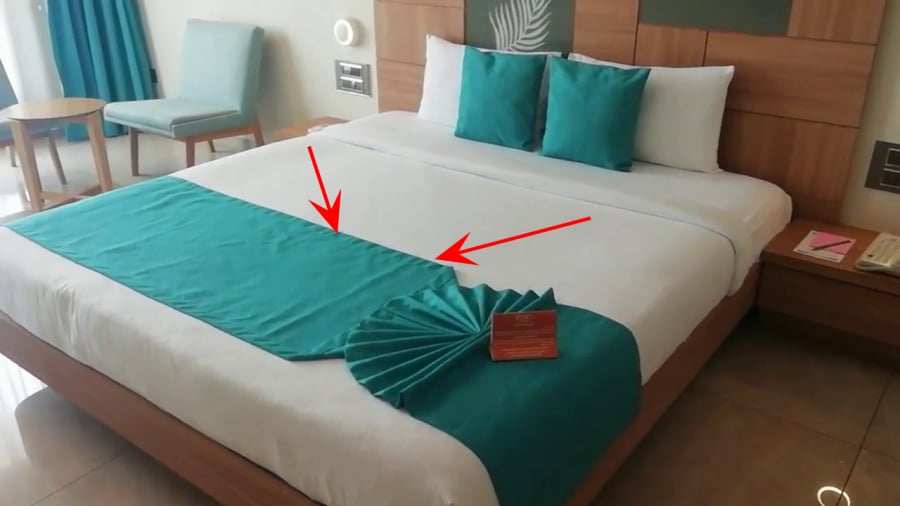
4. Supporting Hotel Branding
In many hotels, bed runners are selected to reflect the property's brand identity.
Luxury hotels may use:
-
Rich fabrics
-
Elegant patterns
-
Sophisticated color palettes
Resort hotels might choose:
-
Tropical designs
-
Bright colors
-
Local cultural motifs
Through these design choices, bed runners help reinforce the overall guest experience and contribute to a hotel's unique atmosphere.
5. Improving Durability
The foot of a hotel bed experiences a significant amount of wear and tear.
Guests often:
-
Sit there
-
Place luggage there
-
Set personal belongings there
-
Rest their feet there
Because bed runners are typically made from more durable fabrics than sheets or comforters, they help absorb some of this wear.
This can extend the lifespan of more expensive bedding components.
6. Creating a Sense of Luxury
Small design details often influence how guests perceive a hotel room.
The addition of decorative elements such as:
-
Bed runners
-
Accent pillows
-
Coordinated fabrics
can make a room feel more upscale and thoughtfully designed.
Even though guests may not consciously notice every detail, these elements contribute to the overall impression of quality and comfort.
Why Are Hotel Bed Runners Usually Darker Colors?
Have you noticed that bed runners are often:
-
Burgundy
-
Navy blue
-
Brown
-
Gold
-
Dark green
This is not accidental.
Darker colors help conceal:
-
Dirt
-
Scuff marks
-
Stains
-
Everyday wear
Because bed runners frequently come into contact with shoes, luggage, and other objects, darker colors help maintain a neat appearance between cleanings.
Do All Hotels Use Bed Runners?
Not necessarily.
Some modern hotels have moved away from traditional bed runners.
Reasons include:
-
Simplified room designs
-
Easier housekeeping
-
Updated aesthetic preferences
Minimalist hotels often favor clean lines and uncluttered bedding arrangements.
However, many hotels still use bed runners because they provide both practical and decorative benefits.
Other Hotel Features Guests Often Wonder About
The bed runner isn't the only hotel feature with a hidden purpose.
Decorative Cushions
These pillows help create a more inviting and luxurious appearance.
White Bedding
White sheets allow hotel staff and guests to easily spot stains and verify cleanliness.
Folded Blanket at the Foot of the Bed
This provides additional warmth while also contributing to the room's presentation.
Full-Length Mirrors
These make rooms appear larger and allow guests to check their appearance before leaving.
Hotels carefully design rooms to balance comfort, functionality, and visual appeal.
Common Misconceptions About Bed Runners
Myth 1: They're Only Decorative
While aesthetics are important, protection and durability are major reasons hotels use bed runners.
Myth 2: Guests Should Sleep Under Them
Bed runners are not intended to be used as blankets.
Most travelers remove them or leave them at the foot of the bed.
Myth 3: They Are Rarely Cleaned
Reputable hotels regularly clean bed runners as part of their housekeeping procedures, although cleaning schedules may vary between properties.
The Psychology Behind Hotel Design
Hospitality designers understand that guests form opinions within seconds of entering a room.
Elements such as:
-
Lighting
-
Bedding
-
Colors
-
Textures
-
Decorative accents
all influence perceptions of cleanliness, comfort, and luxury.
The bed runner serves as a small but effective design tool that enhances the overall guest experience.
Final Thoughts
That decorative strip of fabric across hotel beds is far more than a simple design accessory. While it certainly contributes to the room's appearance, its practical functions make it an important part of hotel room design.
From protecting clean bedding and providing a place for shoes and luggage to enhancing aesthetics and reinforcing hotel branding, the humble bed runner plays multiple roles that most guests never consider.
The next time you check into a hotel room and see that colorful fabric stretched across the foot of the bed, you'll know that it's not just there for decoration. It's a thoughtful detail that combines style, cleanliness, durability, and convenience—all in one simple piece of fabric.