The same principle applies to people taking antihypertensive drugs.
Garlic supplements have been studied for their potential blood-pressure-lowering effects.
If someone combines a concentrated garlic product with prescription blood-pressure medication, the overall effect may be greater than expected.
This does not mean people taking blood-pressure medication must stop eating garlic.
Normal culinary use is not the same thing as high-dose supplementation.
The main concern is often concentrated products, especially when several medications are involved.
People With Certain Blood-Sugar Problems Should Be Careful With Supplements
Garlic has also been studied for potential effects on blood glucose.
Some research suggests garlic preparations may have modest glucose-lowering effects in certain populations.
Again, the evidence is not strong enough to treat garlic as a diabetes medication.
But people taking medications that lower blood sugar should be cautious about adding concentrated supplements without medical advice.
The concern is not the garlic used in a normal meal.
The concern is combining potentially active supplements with prescription therapy without monitoring.
Anyone with diabetes should continue taking prescribed medication and following their treatment plan rather than trying to replace it with garlic.
People With Known Garlic Intolerance Should Listen to Their Bodies
Some people simply do not tolerate garlic well.
They may experience symptoms every time they eat it.
This is different from saying that garlic is unhealthy for everyone.
Food tolerance is highly individual.
If garlic consistently causes digestive symptoms, headaches, reflux, or another reproducible reaction, it makes sense to discuss the pattern with a healthcare professional.
Keeping a food and symptom diary can sometimes help identify whether garlic is genuinely responsible or whether another ingredient in the meal is the trigger.
Garlic Allergy Is Possible, Although Uncommon
A true garlic allergy is different from digestive intolerance.
An allergic reaction involves the immune system.
Possible symptoms can include:
-
Hives
-
Itching
-
Swelling
-
Wheezing
-
Vomiting
-
Difficulty breathing
Severe allergic reactions can become life-threatening.
If someone develops difficulty breathing, swelling of the throat or tongue, faintness, or rapidly worsening symptoms after eating garlic, they need emergency medical attention.
People with a confirmed garlic allergy should follow their healthcare professional's advice regarding avoidance.
Bad Breath Is Another Reason Some People Limit Garlic
This is not a medical danger, but it is certainly a practical issue.
Garlic's sulfur-containing compounds can contribute to strong breath odor.
Interestingly, some of these compounds can remain detectable after digestion because certain molecules enter the bloodstream and are eventually released through the lungs.
That is why brushing your teeth does not always eliminate garlic breath immediately.
For most people, this is simply an inconvenience rather than a health problem.
But if you are preparing for an important meeting, date, presentation, or social event, the timing of a garlic-heavy meal may matter.
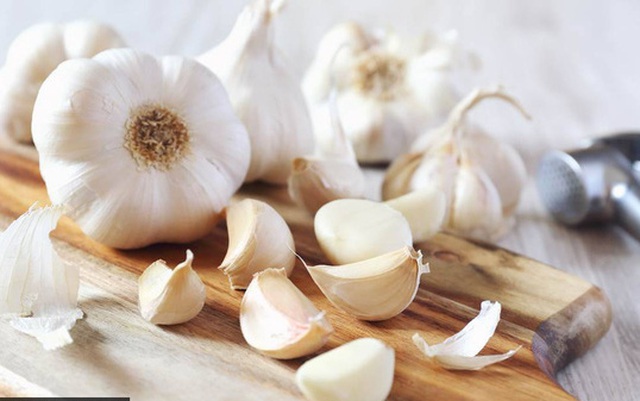
Garlic and Skin Irritation
Eating garlic is very different from putting raw garlic directly on the skin.
This distinction is important because some people use raw garlic as a home remedy for skin problems.
Direct application of raw garlic can cause significant skin irritation and even chemical burns.
It should not be considered a harmless natural treatment.
If you have a skin condition, use treatments that have been appropriately evaluated rather than applying raw garlic directly to damaged or sensitive skin.
Don't Put Raw Garlic in the Ear
Another traditional home remedy involves putting garlic into the ear for ear infections or pain.