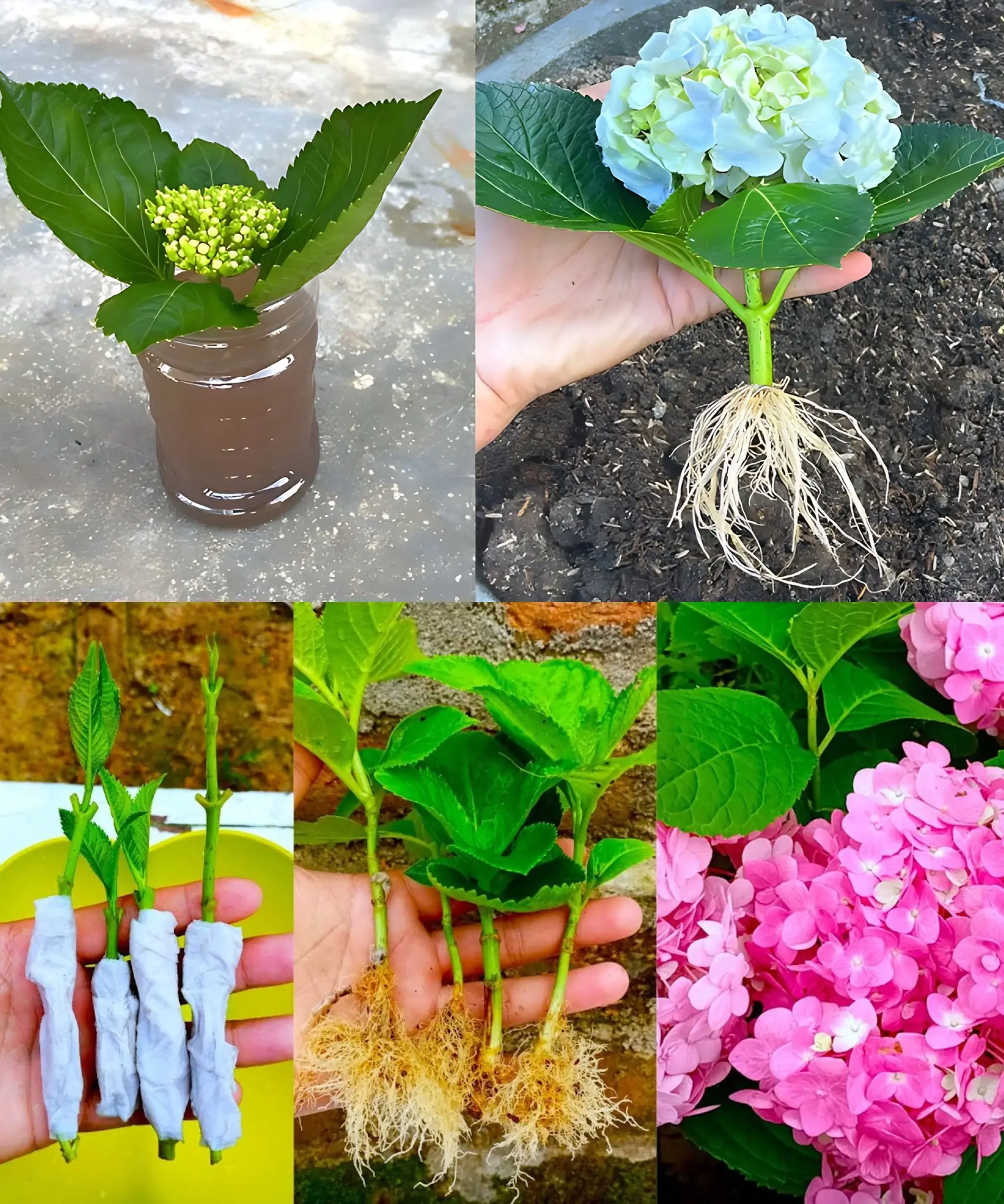
Hydrangeas are beloved garden plants known for their stunning, large flower clusters and vibrant colors. If you want to expand your garden or share these beautiful blooms with friends and family, propagating hydrangeas from cuttings is a wonderful way to do it. Not only is it cost-effective, but it’s also a gratifying process that allows gardeners of all skill levels to nurture new plants from existing ones.
In this article, we’ll guide you step-by-step on how to successfully grow hydrangeas from cuttings, helping you create thriving new plants with ease.
Why Propagate Hydrangeas from Cuttings?
Propagation by cuttings is one of the simplest and most reliable ways to reproduce hydrangeas. Instead of buying new plants, you can clone your favorite varieties, preserving their color and characteristics. This method also lets you experiment with different hydrangea types and expand your garden organically.
When to Take Hydrangea Cuttings
The best time to take cuttings depends on the hydrangea species, but generally:
-
Softwood cuttings: Taken in late spring to early summer when new growth is still soft and flexible.
-
Semi-hardwood cuttings: Taken in mid to late summer when stems begin to harden but are not fully mature.
Softwood cuttings root faster but require more care, while semi-hardwood cuttings are sturdier and have a higher success rate.
How to Take Hydrangea Cuttings
1. Choose a Healthy Stem:
Select a healthy, disease-free stem from the current season’s growth. The stem should be green, flexible, and about 4 to 6 inches long with at least two or three leaf nodes.
2. Make the Cut:
Using clean, sharp pruning shears, cut the stem just below a leaf node (where leaves attach to the stem). Remove any flower buds or old flowers to direct energy to root development.
3. Remove Lower Leaves:
Strip off the lower leaves, leaving only two or three pairs of leaves at the top. If the leaves are large, you can cut them in half to reduce moisture loss.
Preparing and Planting the Cuttings
-
Apply Rooting Hormone (Optional):
Dip the cut end of the stem in rooting hormone powder or gel to encourage faster root growth and increase success rates. -
Prepare the Potting Medium:
Use a well-draining, sterile mix like a combination of peat moss and perlite or sand. Fill small pots or trays with this mix. -
Plant the Cutting:
Insert the cut end about 1 to 2 inches deep into the potting medium. Firm the soil gently around the stem to hold it upright.
Caring for Hydrangea Cuttings
-
Watering:
Keep the soil consistently moist but not soggy. Mist the cuttings regularly to maintain humidity, especially if the environment is dry. -
Humidity:
Cover the pot with a clear plastic bag or place cuttings in a propagation dome to retain moisture and humidity. -
Light:
Place the cuttings in bright, indirect light. Avoid direct sunlight which can scorch the tender stems. -
Temperature:
Maintain a warm environment around 65-75°F (18-24°C) to promote root development.
Rooting Time and Transplanting
Rooting typically takes 3 to 6 weeks. You can gently tug on the cutting after a few weeks to check for resistance, indicating roots have formed.
Once roots are well established, transplant the new hydrangea plant into larger pots or directly into the garden, gradually acclimating it to outdoor conditions.
Tips for Success
-
Use disease-free, healthy parent plants for cuttings.
-
Avoid overwatering to prevent rot.
-
Be patient and maintain consistent care.
-
Label your cuttings if you’re propagating multiple varieties.
Conclusion
Growing hydrangeas from cuttings is not only a cost-effective way to multiply your plants but also a rewarding gardening experience. Watching a tiny stem develop roots and transform into a blooming shrub brings a deep sense of accomplishment. With the right care and attention, you can fill your garden with beautiful hydrangeas grown from your own hands.