Looking to keep snakes away naturally? Try planting these 8 garden plants
Protect your garden from snakes the natural way with these 8 plants
⏱️ 1 min read 08/08/2026 12:27
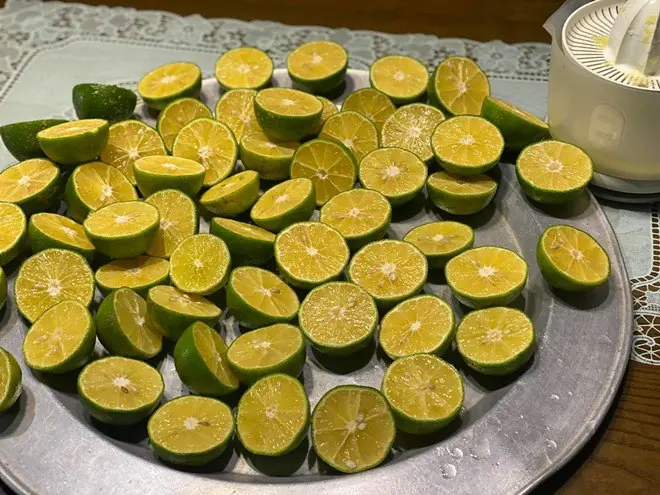
A lemon may seem like nothing more than a simple ingredient for cooking, tea, or drinks. But this bright yellow fruit can also be surprisingly useful around the house.
Thanks to its citric acid, natural fragrance, and ability to help loosen certain residues, lemon can be incorporated into a variety of simple household-cleaning routines. You can use leftover lemon halves to freshen certain surfaces, reduce odors, and help remove some everyday kitchen grime.
However, lemon isn't a miracle cleaner, and it isn't suitable for every surface. Its acidity can damage natural stone, certain metals, wood finishes, and other sensitive materials.
So before throwing away that leftover half lemon, here are some practical ways you can put it to use.

One of the easiest ways to use a leftover lemon half is in the kitchen sink.
If your garbage disposal has developed an unpleasant odor, small pieces of lemon peel can help provide a fresher scent.
The citrus oils in the peel contribute a pleasant aroma, while the mechanical action of the disposal can help remove some loose residue.
Cut the lemon into smaller pieces.
Turn on the cold water.
Run the disposal according to the manufacturer's instructions.
Add a small amount of lemon peel.
Allow the disposal to run briefly.
Continue running water afterward.
Important: Check your disposal manufacturer's instructions before putting citrus peels inside, as recommendations vary by appliance.
Microwaves can develop lingering smells after heating foods such as fish, garlic, curry, or leftovers.
Lemon and water can be used as a simple way to freshen the interior.
Place several slices of lemon or a squeezed lemon half in a microwave-safe bowl containing water.
Heat the water until it produces steam, then let it sit inside the closed microwave for several minutes.
The steam can help loosen food residue, while the lemon provides a fresh scent.
Afterward, carefully wipe the interior with a clean cloth.
Be careful when removing the bowl because the water may be very hot.
Lemons can help mask or reduce unpleasant odors because of their strong citrus aroma.
You can place a used lemon half in a small dish near an area with mild food odors.
This may be useful after cooking foods with strong aromas.
For persistent odors, however, the underlying source should be cleaned rather than simply covered up.
Refrigerators can develop unpleasant smells from:
Leftovers
Spilled food
Vegetables
Dairy products
Strong-smelling sauces
A lemon can provide a fresh citrus scent.
Place a lemon half in a small dish inside the refrigerator for a short period.
However, lemon won't replace proper refrigerator cleaning.
If something has spoiled or leaked, remove it and clean the affected area thoroughly.
Lemon juice contains citric acid, which can help dissolve certain mineral deposits.
This can be useful for small amounts of:
Hard-water residue
Mineral buildup
Water spots
For example, lemon juice may help with deposits around some faucets or fixtures.
Apply a small amount, allow it to sit briefly, then rinse and wipe.
But always check whether the surface is acid-safe first.
Mineral deposits can sometimes make glasses appear cloudy.
A small amount of lemon juice may help loosen certain mineral residues.
You can rub the inside of the glass gently with lemon, then rinse thoroughly.
For delicate glassware, test a small area first.
And remember: cloudy glass can sometimes result from permanent etching rather than removable mineral buildup. In that case, lemon won't restore the original finish.
Cutting boards can retain odors from foods such as:
Garlic
Onions
Fish
Strong spices
After washing the cutting board appropriately, rubbing it with the cut side of a lemon can provide a fresh citrus scent.
For wooden boards, follow the manufacturer's care instructions and avoid prolonged exposure to acidic liquids.
Also remember that lemon is not a substitute for proper food-safety cleaning and sanitizing procedures.
The acidity of lemon juice can help loosen certain food residues.
For example, a lemon half may be useful when dealing with mild residue on appropriate kitchen surfaces.
Apply lemon juice, allow it to work briefly, then wipe and rinse.
For stubborn grease, a suitable dish detergent is generally more effective than lemon alone.

Some foods leave strong odors on your hands.
Garlic, onions, and certain seafood are common examples.
Rubbing a small amount of lemon juice on your hands may help reduce lingering odors.
Afterward, rinse thoroughly and apply moisturizer if your skin feels dry.
Don't use lemon juice on:
Cuts
Cracked skin
Irritated skin
Eczema flares
The acidity can cause significant stinging and irritation.
Lemon can be incorporated into simple household cleaning routines, but it works best as one ingredient rather than a universal cleaner.
For example, lemon can complement:
Water
Mild dish soap
Microfiber cloths
The exact combination should depend on the surface being cleaned.
Always test homemade cleaners in an inconspicuous area first.
Kitchen sinks can collect food particles, grease, and odors.
After cleaning the sink normally, you can use a lemon half to provide a fresh citrus scent.
Rub the lemon lightly over suitable surfaces, then rinse thoroughly.
Avoid using acidic lemon juice on surfaces that can be damaged by acids.
If you have several leftover lemon pieces, you can create a simple scented cleaning solution using lemon peel and water.
One approach is to place lemon peels in a jar with water and allow the mixture to infuse.
However, homemade water-based mixtures can develop microbial growth if stored improperly.
For that reason, make small batches, keep them refrigerated if appropriate, and use them promptly rather than storing them indefinitely.
A lemon can also be useful for reducing unpleasant dishwasher odors.
After running a normal cleaning cycle, some people place a few lemon pieces or peels in the dishwasher during a cycle.
However, always follow your dishwasher manufacturer's recommendations regarding citrus peels and cleaning methods.
The dishwasher filter and interior should still be cleaned regularly.
If you enjoy the smell of citrus, lemon can provide a simple natural fragrance.
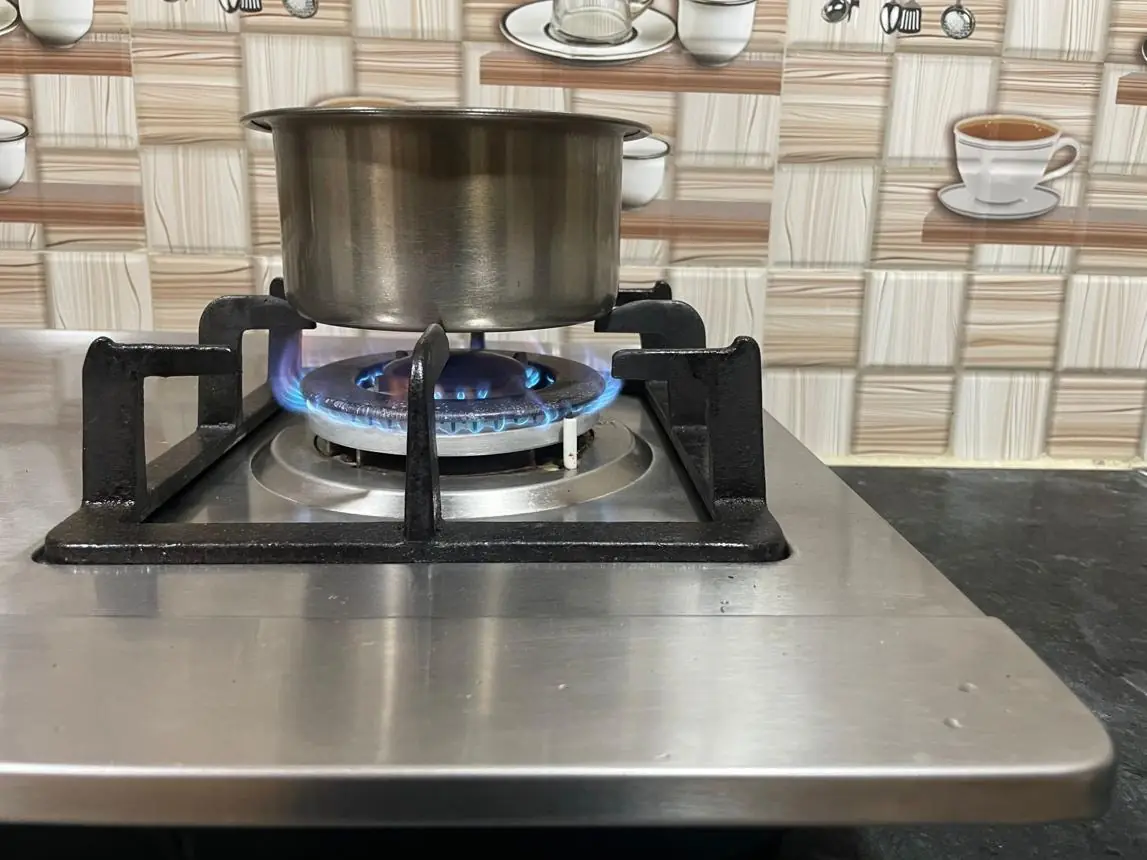
You can simmer lemon slices in water briefly to create a pleasant aroma throughout the kitchen.
For additional fragrance, some people add:
Cinnamon
Ginger
Rosemary
Never leave a pot heating unattended, and make sure the water doesn't evaporate completely.
Lemon can sometimes help remove light residue from certain stainless-steel surfaces.
However, stainless steel isn't completely uniform. Different finishes and appliances can react differently to acidic substances.
If you try lemon:
Apply a small amount.
Wipe gently.
Rinse thoroughly.
Dry the surface.
Avoid allowing lemon juice to sit on the surface for a long time.
Water spots can develop around faucets and other fixtures.
Citric acid can help dissolve certain mineral deposits.
Apply lemon juice briefly, wipe, rinse, and dry.
If the fixture is made from a sensitive material, use a cleaner specifically recommended by the manufacturer instead.
Sometimes you don't need lemon to "clean" anything.
You can simply use it as a natural fragrance.
Place a lemon half in a small bowl while you're cooking or after preparing a particularly strong-smelling meal.
The citrus aroma can make the kitchen smell fresher.
This is extremely important.
Because lemon is acidic, it can damage some surfaces.
Marble
Limestone
Travertine
Some types of granite
Acid can cause etching, leaving dull or damaged areas.
Acidic substances can affect some wood finishes.
If you want to use lemon on a wooden cutting board, follow its care instructions and don't leave lemon juice sitting on the surface.
Never assume that because lemon is "natural," it's automatically safe for every material.
Acid can react with or damage some metals.
Use caution with:
Copper
Brass
Aluminum
Certain plated finishes
If you're unsure, test a tiny hidden area first or use a product recommended for that specific material.
This is one of the most important safety rules.
Never mix lemon juice or other acids with chlorine bleach.
Acids can react with bleach and potentially release dangerous chlorine gas.
Similarly, don't mix different household cleaning chemicals unless the product instructions specifically say the combination is safe.
Another common mistake is assuming that because lemon juice is acidic, it can replace disinfectants.
It can't.
Lemon may help with odors, residue, and certain mineral deposits, but it shouldn't automatically be considered a disinfectant capable of eliminating all harmful microorganisms.
For areas requiring disinfection, use an appropriate disinfectant according to the product instructions.
You may see online claims that lemon can eliminate household mold.
While lemon's acidity may affect some microorganisms under certain conditions, it should not be relied upon as the primary treatment for significant mold growth.
If you find substantial mold:
Address the moisture source.
Improve ventilation.
Clean appropriately.
Seek professional assistance when necessary.
Mold problems can require more than a household citrus remedy.
If you've already squeezed a lemon for cooking, don't immediately throw away the remaining half.
You can:
Remove any seeds.
Use the peel for fragrance.
Use the remaining juice for appropriate cleaning.
Add the peel to a food-safe recipe if it is suitable and properly washed.
Compost the remaining material if composting is available.
This reduces food waste while giving the lemon a second use.
False.
Lemon is useful for some tasks but can damage certain materials.
Not necessarily.
Natural substances can still be acidic, irritating, or chemically reactive.
No.
Lemon juice should not be treated as a universal disinfectant.
Not necessarily.
Using more acid can increase the risk of damaging surfaces without necessarily improving cleaning performance.
If you want to make practical use of leftover lemon, keep it simple.
Add the juice or peel to cooking whenever possible.
Place it in the refrigerator until you're ready to use it for an appropriate household task.
Use it on acid-safe surfaces where mild residue or odor is the issue.
Don't leave acidic residue sitting on surfaces.
Once the lemon has served its purpose, compost it if possible.
A half lemon can be surprisingly useful around the house. Its citric acid and natural citrus oils can help with certain odors, mild mineral deposits, and everyday kitchen residue, while its fragrance can make the home smell fresher.
But lemon isn't a replacement for every household cleaner, and its acidity means it can damage surfaces such as marble and other natural stones.
The smartest approach is to use lemon selectively:
freshen where appropriate, clean gently, rinse afterward, and always check the surface before applying acidic ingredients.
The next time you're left with half a lemon after cooking, don't automatically toss it into the trash.
That small piece of fruit can have a second life as a simple household helper. You might use it to freshen a microwave, reduce kitchen odors, loosen certain mineral deposits, or simply add a pleasant citrus scent to your home.
Just remember that "natural" doesn't mean "safe for every surface." Keep lemon away from sensitive materials, never mix it with bleach, and don't rely on it as a universal disinfectant.
Sometimes the simplest household tricks are the most useful—not because they are magical, but because they make practical use of something you already have in your kitchen.
Protect your garden from snakes the natural way with these 8 plants
Purple Garlic vs. White Garlic: Key Differences Explained
These Everyday Cat Behaviors Reveal How They Really Feel
A simple classroom photo sparked a debate over children's online privacy.
Ants in sugar don't always mean waste—use safe methods to recover it.
Home Stain Removal Tips: What Works for Different Types of Fabric Stains
What Crawled Out Shocked Me

Lemon and Salt in the Room: A Popular Home Tradition and What It May Actually Do
Want Your Lemons to Last Longer? Try This Traditional Preservation Method
A forgotten stove became a powerful reminder of everyday kitchen safety.

One Simple Onion Hack for Common Household Pests

Does Sleeping Apart Mean Your Relationship Is in Trouble?

Frog meat can be safe—but only when sourced, handled, and cooked properly.
One simple laundry habit can keep clothes cleaner, brighter, and fresher.
Transform Your Home Routine with These Vaseline and White Vinegar Tips

Here's how to tell if your lettuce is truly fresh.
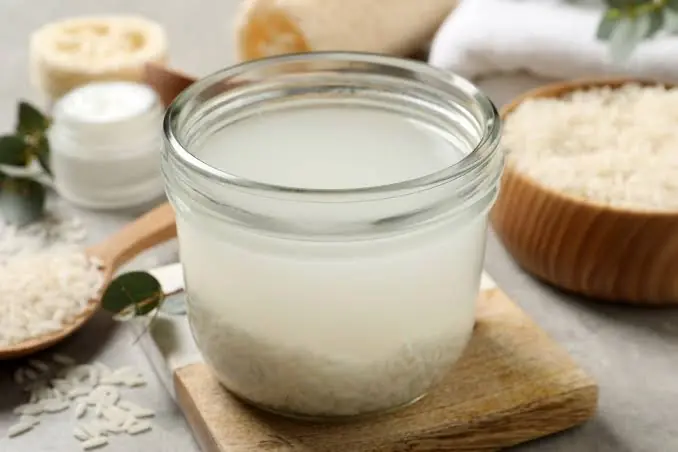
This Simple Homemade Rice Water Could Transform Your Skin and Hair Care Routine

Fresh Scents, Fewer Mosquitoes? 10 Plants to Consider for Your Home

One simple change could help your suitcase reach you faster.
Belly Fat vs. Liver-Related Abdominal Swelling: What’s the Difference?
Skip the Expensive Salmon: This Affordable Fish Offers Plenty of Protein for Less
A Necklace Revealed the Truth
“The music was still playing when the king realized the princess had disappeared from the royal ball.”
“At the king’s grand ball, a priceless diamond disappeared and everyone blamed the poorest servant in the room.”
7 Water-Drinking Habits You Might Have Every Day Without Realizing Their Potential Risks
The Benefits of Showering at Night You May Not Have Considered
The Hidden Meaning Behind the Colored Mark on Your Toothpaste Tube
“She thought she was protecting her love… until the man she loved said, ‘I can’t breathe anymore.’
Is Garlic Safe for Everyone? 7 Groups Who Should Take Caution
The Truth That Destroyed Their Wedding
Could Your Sleep Posture Affect Circulation? What Older Adults Need to Know
Your Body May Be Giving You Clues: 35 Possible Signs of Low Magnesium
“A wallet full of diamonds disappeared and the poorest man in the room became the first suspect.”
This “dea.dly” food causes over 200 deaths each year - yet nearly 500 million people still eat it
A banana before bed may support sleep and overall relaxation.
Many people avoid bananas at night, but experts say ripe bananas may offer unexpected benefits when eaten in moderation.
The Bride Who Walked Away