When most people think about guava, they think about the fruit: sweet, fragrant, and packed with nutrients. But in many traditional cultures, the leaves of the guava tree have also been used for generations.
Guava leaves have traditionally been prepared as teas, rinses, or other household remedies. Today, researchers are increasingly interested in the plant compounds found in guava leaves, including polyphenols, flavonoids, and other antioxidants.
Some early research suggests that guava leaves may have potential effects on blood sugar regulation, digestion, inflammation, and cardiovascular health. However, much of the evidence comes from laboratory or animal studies, while human research remains more limited.
That distinction is important.
Guava leaves may be interesting from a health perspective, but they should not be viewed as a cure or replacement for medical treatment.
So what might guava leaves actually do?
Here are some of the potential benefits worth knowing about.
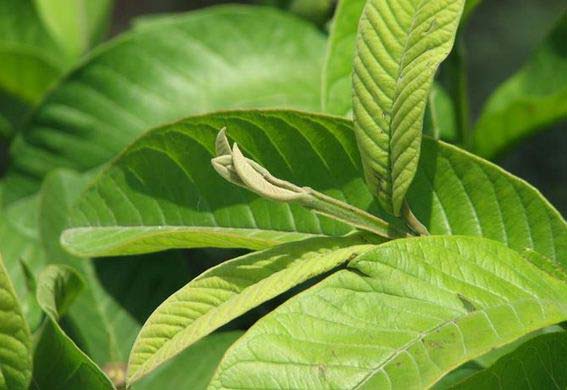
1. Guava Leaves Contain Antioxidant Compounds
One of the most interesting characteristics of guava leaves is their concentration of plant compounds with antioxidant activity.
Guava leaves contain compounds such as quercetin, catechins, flavonoids, and other polyphenols.
Antioxidants help protect cells from oxidative stress, a process involving reactive molecules that can damage cellular components when their production and the body's protective systems become unbalanced.
Oxidative stress is associated with numerous chronic conditions, although that does not mean that consuming an antioxidant-rich plant automatically prevents those diseases.
This is where guava leaves become interesting.
Laboratory research has found antioxidant activity in guava-leaf extracts, suggesting that the leaves contain biologically active compounds that may interact with oxidative pathways.
However, antioxidant activity measured in a laboratory isn't the same as proving a specific health benefit in humans.
More clinical research is needed to determine how much of these compounds are absorbed and what effects they may have in people.
2. Guava Leaf Tea May Support Digestive Health
Guava leaves have a long history of traditional use for digestive complaints.
In various cultures, guava leaf preparations have been used for issues such as loose stools, stomach discomfort, and digestive upset.
Some experimental research suggests that compounds in guava leaves may affect intestinal activity and may have antimicrobial properties.
This has led to interest in guava leaves as a possible supportive approach for certain digestive problems.
But there is an important distinction between traditional use and established medical treatment.
Diarrhea, for example, can result from infections, food poisoning, medications, inflammatory conditions, or other causes.
The most immediate concern with significant diarrhea is often dehydration and electrolyte loss.
If diarrhea is severe, persistent, bloody, accompanied by high fever, or associated with signs of dehydration, medical care is more important than relying on herbal tea.
3. It May Have Effects on Blood Sugar
One of the areas receiving scientific attention is the possible relationship between guava leaves and blood glucose.
Some studies suggest that compounds found in guava leaves may influence enzymes involved in carbohydrate digestion and glucose metabolism.
Research involving guava leaf preparations has also explored whether consuming them around meals may affect post-meal blood glucose levels.
This is potentially interesting for people concerned about metabolic health.
But it is important not to overstate the evidence.
Guava leaf tea is not a proven treatment for diabetes.
If you have diabetes or take glucose-lowering medication, regularly consuming concentrated herbal preparations could potentially affect your blood sugar and should be discussed with a healthcare professional.
The foundation of blood sugar management remains a balanced diet, physical activity, appropriate weight management, regular monitoring, and prescribed treatment when necessary.