If you are considering using a guava leaf preparation topically, test a small area first and discontinue use if redness, itching, swelling, or burning develops.
Persistent skin conditions should be evaluated rather than treated indefinitely with homemade remedies.
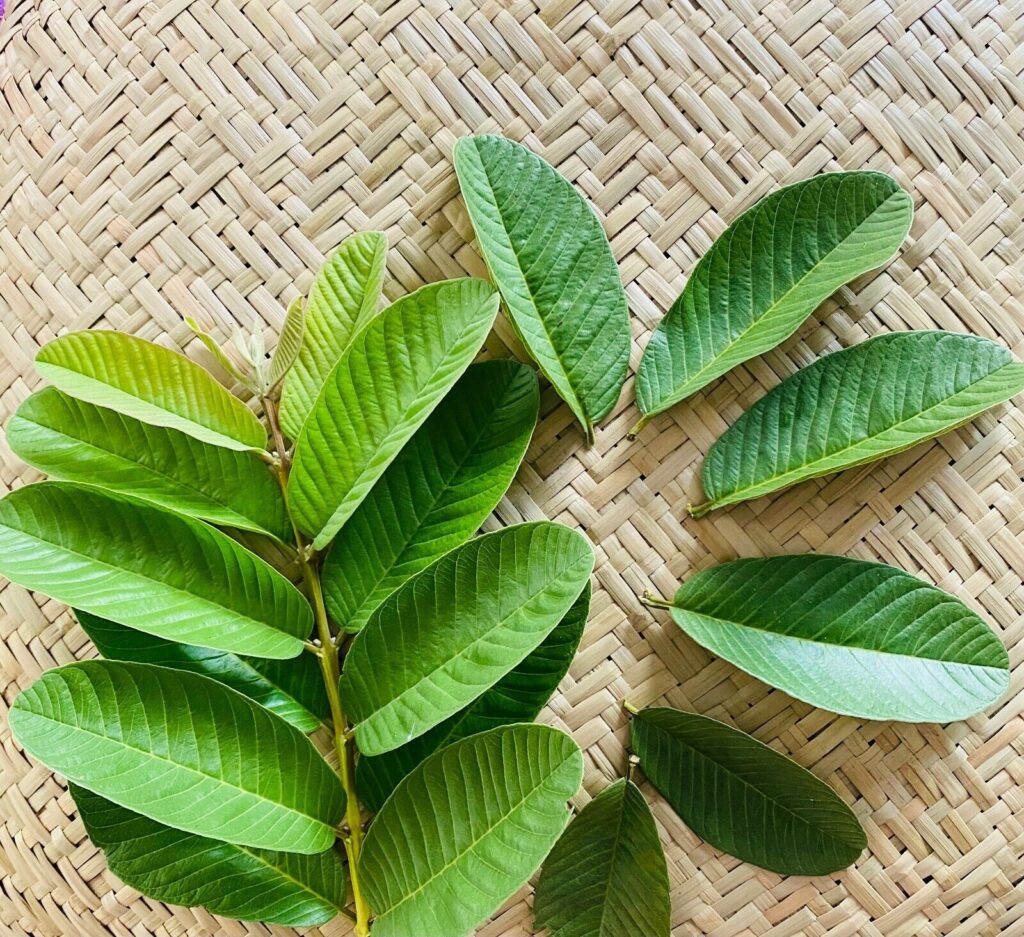
9. Guava Leaves May Be Useful in Traditional Hair-Care Practices
Another popular traditional use involves guava leaves and hair care.
Some people prepare guava leaf water and apply it to the scalp or hair.
The reasoning often relates to the leaves' antioxidant and antimicrobial compounds.
However, claims that guava leaves can stop hair loss or make hair grow dramatically faster are not well established.
Hair loss has many potential causes, including genetics, hormonal changes, nutritional deficiencies, medications, stress, and scalp conditions.
If you are experiencing significant or sudden hair loss, finding the underlying cause is much more important than relying on a single herbal preparation.
Guava leaf water may be an interesting traditional practice, but it shouldn't be presented as a proven hair-loss treatment.
10. Guava Leaves May Be a Source of Useful Plant Compounds
Perhaps the most important takeaway is that guava leaves contain a surprisingly diverse collection of naturally occurring compounds.
Researchers have identified various:
-
Flavonoids
-
Polyphenols
-
Tannins
-
Carotenoids
-
Essential oils
-
Other plant-derived compounds
These substances may interact with biological pathways related to oxidative stress, inflammation, glucose metabolism, and microbial activity.
That makes guava leaves scientifically interesting.
But it is also why the concentration and preparation method matter.
A mild cup of tea is not necessarily equivalent to a concentrated extract or supplement.
The stronger the preparation, the more important it becomes to consider dosage, interactions, and safety.
How Is Guava Leaf Tea Traditionally Prepared?
There are many variations in traditional preparation.
A simple approach involves washing fresh guava leaves thoroughly and steeping them in hot water.
Some people use dried leaves instead.
The exact amount, preparation time, and frequency vary widely.
Because there isn't one standardized medicinal dose established for general health, it's better not to assume that stronger or more concentrated tea will produce greater benefits.
If you're purchasing a commercial guava leaf tea, follow the product instructions rather than creating increasingly concentrated preparations.
Fresh Leaves or Dried Leaves?
Both are used traditionally.
Fresh leaves contain naturally occurring water and plant compounds, while dried leaves are more concentrated by weight.
Dried leaves are also easier to store.
Regardless of the form, cleanliness matters.
Avoid leaves that have been exposed to pesticides, roadside pollution, animal waste, or other contaminants.
If you grow a guava tree yourself, make sure you know how it has been treated before using the leaves for tea.