If you've ever noticed a small lizard quietly climbing your wall or resting near a window, you may have wondered whether its visit means anything.
Across many cultures, lizards have inspired stories, folklore, and spiritual beliefs for centuries. Some people see them as symbols of good fortune, while others believe they carry messages about change, protection, or new beginnings. In other traditions, a lizard entering the home is viewed simply as a natural event with no deeper meaning.
So, what should you believe?
The answer depends on whether you're looking at the question through the lens of culture and tradition or science and nature.
Let's explore some of the fascinating beliefs surrounding house lizards—and why they often appear in our homes in the first place.
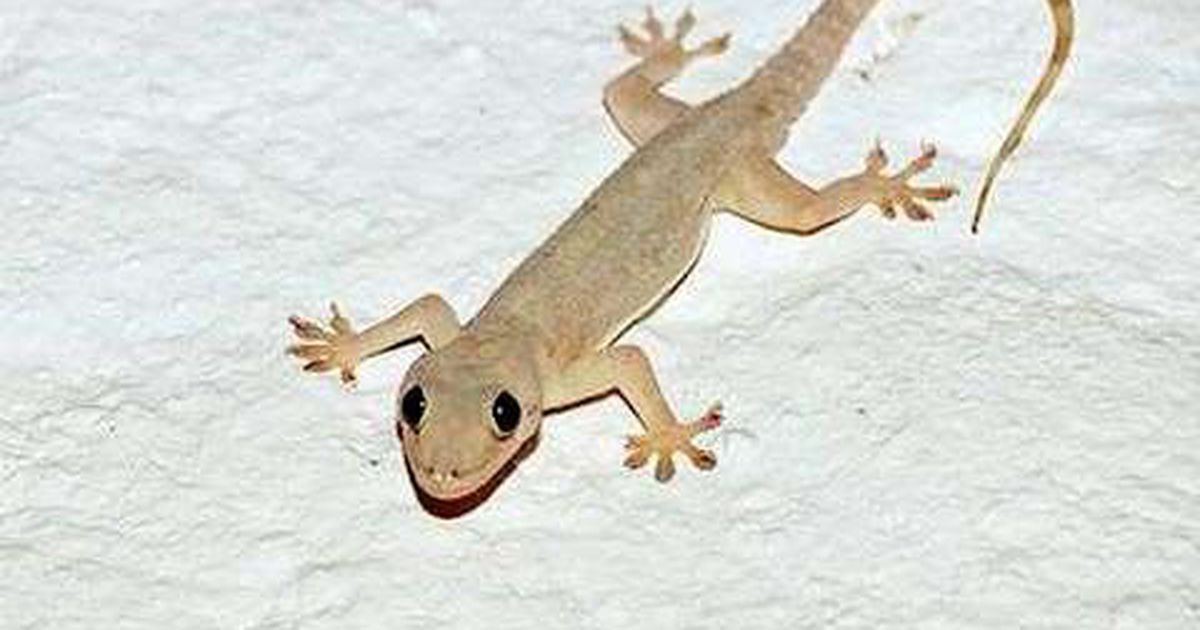
Why Do Lizards Enter Houses?
Before exploring traditional beliefs, it's helpful to understand the practical explanation.
House geckos and other small lizards usually enter homes because they are searching for:
-
Food
-
Warmth
-
Shelter
-
Safe hiding places
Their favorite food is insects.
Mosquitoes, moths, flies, ants, and spiders all attract lizards.
Outdoor lights often attract insects at night, and insects attract lizards.
In many cases, a lizard isn't visiting because of anything mysterious.
It's simply following its next meal.
Traditional Belief #1: A Symbol of Good Luck
In several cultures, a lizard entering the home is considered a positive sign.
Some families believe it symbolizes:
-
Prosperity
-
Good fortune
-
Protection
-
Positive energy
Although these beliefs differ from one region to another, they often reflect the idea that nature and human life are closely connected.
There is no scientific evidence that a lizard predicts future events, but these traditions remain meaningful to many people.
Traditional Belief #2: A Reminder to Adapt
Lizards are remarkable survivors.
They thrive in forests, deserts, cities, and homes.
Because they adapt so easily, some traditions view them as symbols of:
-
Flexibility
-
Resilience
-
Personal growth
-
New opportunities
If a lizard appears unexpectedly, some people interpret it as a reminder to stay adaptable during times of change.
Whether or not you believe this symbolism, adaptability is certainly a valuable life skill.
Traditional Belief #3: Let Go of the Past
One of the most fascinating features of many lizards is their ability to shed their tails when threatened.
Over time, a new tail can grow.
Because of this, some cultures associate lizards with:
-
Renewal
-
Recovery
-
Fresh beginnings
-
Letting go of what no longer serves you
This symbolic interpretation has inspired many stories and spiritual teachings.
Traditional Belief #4: Stay Alert
Lizards are naturally cautious animals.
They constantly scan their surroundings before moving.
Some traditions see them as reminders to:
-
Pay attention
-
Be patient
-
Think before acting
-
Notice opportunities others may overlook
Again, this is symbolic rather than scientific, but many people enjoy finding practical wisdom in nature.
Traditional Belief #5: Protection From Harm
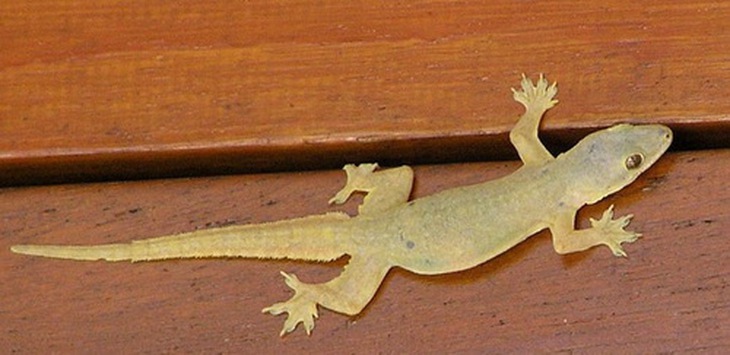
In certain communities, house geckos are welcomed because they eat insects that may otherwise become household pests.
This practical benefit gradually became associated with symbolic protection.
Seeing a lizard near lights or windows often means it is helping reduce insects such as:
-
Mosquitoes
-
Small flies
-
Moths
While they don't protect against bad luck, they can certainly help control some unwanted bugs.
Traditional Belief #6: A Sign of Change
Many cultures associate unexpected animal encounters with transitions in life.
A lizard entering the home may be interpreted as representing:
-
A new chapter
-
Personal transformation
-
Unexpected opportunities
-
Positive changes ahead
There is no evidence that animals predict future events, but these interpretations often encourage reflection and optimism.
Traditional Belief #7: Patience Brings Results
If you've ever watched a gecko hunt, you've probably noticed how patiently it waits.
Instead of rushing toward its prey, it often remains perfectly still before making a quick, precise movement.
Because of this behavior, lizards have become symbols of:
-
Patience
-
Timing
-
Self-control
These qualities are admired in many cultures.
Traditional Belief #8: Living in Balance With Nature
For centuries, people observed animals closely because they lived much closer to nature than most modern societies do today.
Birds, butterflies, frogs, and lizards all became part of local folklore.
Whether or not these stories are literally true, they often encourage respect for wildlife and the natural world.
The Scientific Perspective
Science offers a different explanation.
Lizards don't intentionally choose certain homes to deliver messages.
Instead, they respond to environmental conditions.
Homes with plenty of insects, cracks for shelter, warm temperatures, and access to water are attractive habitats.
This explains why geckos are especially common in:
-
Tropical climates
-
Warm evenings
-
Homes with outdoor lighting
-
Areas where insects gather
Their behavior is driven by survival—not symbolism.
Are House Lizards Helpful?
In many ways, yes.
House geckos feed on numerous insects that people generally consider pests.
Their diet commonly includes:
-
Mosquitoes
-
Flies
-
Moths
-
Small cockroaches
-
Ants
-
Tiny spiders
Because of this, many homeowners choose to leave harmless geckos alone.
They act as natural insect controllers without requiring pesticides.
Are They Dangerous?
For most people, common house geckos are harmless.
They are generally:
-
Non-aggressive
-
Not venomous
-
Shy around humans
They usually avoid direct contact.
However, like any wild animal, they should not be handled unnecessarily.
Their droppings can contain bacteria, so it's important to clean affected surfaces properly and wash your hands afterward.
People should also avoid allowing pets to catch or eat lizards, as this may pose health risks.
How to Keep Lizards Out of the House Humanely
If you'd rather not have lizards indoors, there are simple ways to make your home less attractive without harming them.
Reduce Insects
Because insects are their main food source, reducing insects often reduces lizards as well.
You can:
-
Keep food sealed.
-
Clean crumbs promptly.
-
Empty trash regularly.
-
Repair window screens.
Seal Entry Points
Small gaps around:
-
Windows
-
Doors
-
Pipes
-
Vents
can provide easy access.
Sealing these openings helps keep many small animals outside.
Limit Outdoor Lighting
Bright lights attract insects.
Using warmer-colored bulbs or reducing unnecessary outdoor lighting may reduce insect activity—and therefore lizard visits.
Why Do So Many Cultures Create Animal Symbolism?
Humans have always looked for meaning in nature.
Before modern science, people carefully observed animal behavior to better understand the world around them.
Over generations, these observations evolved into folklore.
Whether involving owls, butterflies, crows, cats, or lizards, these stories often reflect cultural values rather than scientific facts.
They can teach lessons about patience, resilience, awareness, and respect for nature.
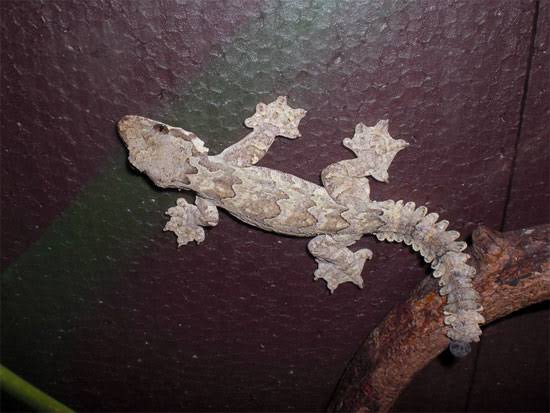
Can a Lizard Really Predict the Future?
There is no scientific evidence that a lizard entering your home predicts good luck, bad luck, wealth, illness, or future events.
Animal behavior is generally explained by biology, habitat, food availability, temperature, and reproduction.
However, cultural traditions remain meaningful to many people as part of their family history and heritage.
It's possible to appreciate these stories while also understanding the scientific explanation.
Finding Meaning Without Fear
One positive aspect of traditional beliefs is that they often encourage mindfulness.
Instead of reacting with fear, seeing a lizard can become a reminder to:
-
Appreciate nature.
-
Keep your home clean and healthy.
-
Stay adaptable during life's changes.
-
Be patient.
-
Respect living creatures.
These lessons remain valuable regardless of whether you view the symbolism literally.
The Bottom Line
A lizard entering your home has inspired countless stories and traditions across different cultures. Some people see it as a symbol of good fortune, protection, adaptability, or new beginnings, while others simply view it as a harmless visitor searching for insects, warmth, or shelter.
From a scientific perspective, lizards enter homes because the environment meets their basic needs - not because they are delivering supernatural messages.
Still, folklore continues to be an important part of cultural heritage, offering meaningful symbols and life lessons that many families enjoy passing from one generation to the next.
Whether you see a house lizard as a lucky visitor, a natural pest controller, or simply another fascinating creature sharing our environment, one thing is certain:
It reminds us that even the smallest animals have an important place in the natural world.