Doctors reveal that eating beets causes... See more
The Results May Surprise You
Health 31/07/2026 22:51
Garlic is one of the most widely used foods in the world. For centuries, it has also been valued in traditional diets for its potential health-promoting properties.
So when stories appear claiming that someone with kidney inflammation ate garlic every day for several months and left doctors “shocked” by the results, it is easy to understand why people pay attention.
But can garlic actually heal inflamed or damaged kidneys?
The reality is more nuanced—and much more useful than a miracle-food headline suggests.
Garlic (Allium sativum) contains several biologically active compounds. One of the best known is allicin, which forms when fresh garlic is chopped, crushed, or chewed.
Garlic and related sulfur-containing compounds have been studied for possible antioxidant, anti-inflammatory, antimicrobial, and cardiovascular effects.
That does not mean garlic is a treatment for kidney disease. However, researchers continue to investigate how dietary patterns containing foods such as garlic may influence inflammation, blood pressure, oxidative stress, and other factors associated with overall health.
Close-up photograph of fresh garlic bulbs and peeled garlic cloves on a wooden kitchen table.
The phrase kidney inflammation can describe several very different medical problems.
For example, inflammation can occur with glomerulonephritis, which affects the kidney's filtering structures, or interstitial nephritis, which involves inflammation in the tissue surrounding the kidney tubules.
Kidney infections can also produce inflammation.
These conditions do not all have the same cause or treatment.
Depending on the underlying problem, a person may experience blood or protein in the urine, swelling around the eyes or legs, changes in urination, fatigue, fever, nausea, elevated blood pressure, or pain in the back or side.
Sometimes, however, kidney problems produce few noticeable symptoms in their early stages.
That is precisely why laboratory testing matters.
If someone had kidney inflammation and returned after five months with improved laboratory results, doctors would not simply conclude:
“The garlic cured him.”
They would examine several objective measurements.
One important test is serum creatinine. Creatinine is a waste product that healthy kidneys normally remove from the bloodstream.
Doctors may use creatinine along with factors such as age and sex to estimate the estimated glomerular filtration rate (eGFR).
Urine testing is also extremely important.
A urinalysis can detect abnormalities including blood and protein, while a urine albumin-to-creatinine ratio can help identify abnormal leakage of albumin into the urine.
Blood pressure may also be monitored because high blood pressure and kidney disease are closely connected.
Doctor reviewing kidney function laboratory results, including creatinine, eGFR, and urinalysis, with a patient.
This is where the story becomes interesting—but also where health claims need to remain realistic.
Garlic may be part of a kidney-friendly dietary pattern for some people, particularly when it is used to add flavor without relying heavily on salt.
High sodium intake can contribute to fluid retention and elevated blood pressure. For people who have been advised to limit sodium, herbs, spices, lemon, onion, and garlic can make meals more flavorful without automatically adding large quantities of salt.
Some research has also investigated garlic's effects on cardiovascular risk factors such as blood pressure and cholesterol.
Since cardiovascular and kidney health are strongly interconnected, these potential effects are scientifically interesting.
But there is a huge difference between saying:
“Garlic contains compounds being studied for health effects”
and saying:
“Garlic cures kidney inflammation.”
Current evidence does not justify treating garlic as a replacement for medical care.
Suppose a 28-year-old man diagnosed with kidney inflammation began eating garlic regularly. Five months later, his creatinine, urine protein, or another marker improved.
Would garlic necessarily be responsible?
No.
There are many possible explanations.
The underlying kidney condition may have improved naturally. He may have received appropriate medical treatment. His blood pressure may have become better controlled. He might have reduced sodium intake, stopped smoking, lost weight, improved his diet, corrected dehydration, or discontinued a medication that was affecting his kidneys.
Even laboratory values themselves can fluctuate.
This illustrates an important principle:
An improvement that happens after someone starts eating a particular food does not automatically prove that the food caused the improvement.
Scientists need controlled studies involving many participants to determine whether an intervention genuinely produces an effect.
Healthy meal containing vegetables, whole foods, herbs, and fresh garlic, representing a balanced kidney-conscious diet.
For someone concerned about kidney health, focusing exclusively on garlic misses much more important factors.
Blood pressure control is particularly important.
Over time, uncontrolled hypertension can damage the small blood vessels inside the kidneys and reduce their ability to filter blood effectively.
Diabetes is another major risk factor for chronic kidney disease. Maintaining appropriate blood glucose levels can therefore be crucial for people with diabetes.
Hydration also matters, although the idea that everyone should drink enormous quantities of water to “flush” the kidneys is misleading.
Fluid requirements vary according to body size, activity, climate, medical conditions, medications, and kidney function. Some people with advanced kidney or heart disease may actually be instructed to restrict fluids.
Another important consideration is medication.
Certain medicines—including frequent or excessive use of some nonsteroidal anti-inflammatory drugs (NSAIDs)—can affect kidney function, particularly in susceptible individuals.
Never discontinue a prescribed medication without discussing it with a healthcare professional.
Because garlic is a normal food, people sometimes assume there is no limit to how much they should consume.
That's not necessarily true.
Large amounts of raw garlic can cause heartburn, abdominal discomfort, nausea, gas, or irritation of the digestive tract.
Garlic supplements are another issue.
Concentrated supplements can behave differently from the amount of garlic normally used in food and may interact with certain medications. Garlic may potentially increase bleeding tendency, making supplementation particularly relevant for people taking anticoagulant or antiplatelet medications or preparing for surgery.
Fresh garlic beside a medication bottle and glass of water, illustrating the importance of considering food–drug interactions.
Kidney disease can sometimes progress quietly.
Seek medical evaluation if you develop persistent symptoms such as blood in the urine, unusually foamy urine, swelling of the legs or face, significant changes in urination, unexplained fatigue, persistent nausea, or ongoing pain around the side or lower back.
Fever accompanied by urinary symptoms or significant flank pain can also require prompt medical attention because a kidney infection may be involved.
And remember: pain alone cannot reliably tell you whether your kidneys are damaged.
Blood tests and urine tests provide far more useful information.
Medical illustration showing the location of the kidneys in the human body alongside a doctor examining kidney test results.
Garlic is nutritious, flavorful, and contains biologically active compounds that researchers continue to study.
Including reasonable amounts of garlic in a balanced diet may be perfectly appropriate for many people, and using garlic instead of excessive salt can be a useful dietary strategy.
But garlic should not be presented as a proven cure for kidney inflammation or kidney disease.
If someone's kidney tests dramatically improve after five months, the most important question isn't simply how much garlic they ate. Doctors need to consider the diagnosis, treatment, medications, blood pressure, hydration, diet, and changes in objective markers such as creatinine, eGFR, and urinary protein.
Food can support health. Medical conditions still require proper diagnosis and evidence-based treatment.
And when it comes to your kidneys, that distinction can be extremely important.
The Results May Surprise You
Health Experts Explain Why Peanuts Deserve a Place in Your Diet—and When to Be Careful

This Common Food Is Eaten by Millions Every Year But It Can Be Dan.gerous If Not Prepared Properly..
Many People Swear by Coconut Water for Their Kidneys—But Does the Science Agree?

Your Dry Mouth Every Morning Could Be Caused by These 8 Things

3 selfish habits of husbands that increase their wives’ risk of cer.vical c.a.n.c.e.r

Health Experts Share 4 Daily Habits That Could Affect Your Lung Health
Thinking About Gallbladder Surgery? Know These Changes Beforehand
The Hidden Risk Lurking in Your Favorite Leafy Greens
😲 You’ve Probably Been Eating Chicken Without Realizing What You’re Missing — Look at the Gizzards! 👇

Eating Too Much Sugar? These 10 Body Changes May Be Worth Noticing
Where Does Kidney Pain Occur? 5 Areas and Symptoms Worth Knowing

What Happens to Your Body When You Drink Ginger Tea Every Morning?
Warm Water Isn’t Just Comforting - Here Are the Potential Health Benefits You Should Know

A 70-Year-Old's Experience Is a Wake-Up Call for Anyone With Hypertension
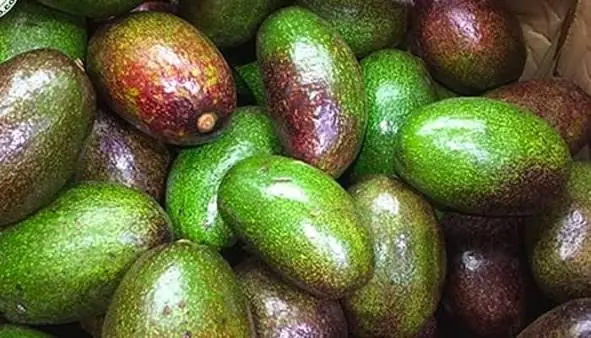
Doctors Reveal the Potential Benefits—and Possible Downsides—of Eating Avocados… See More
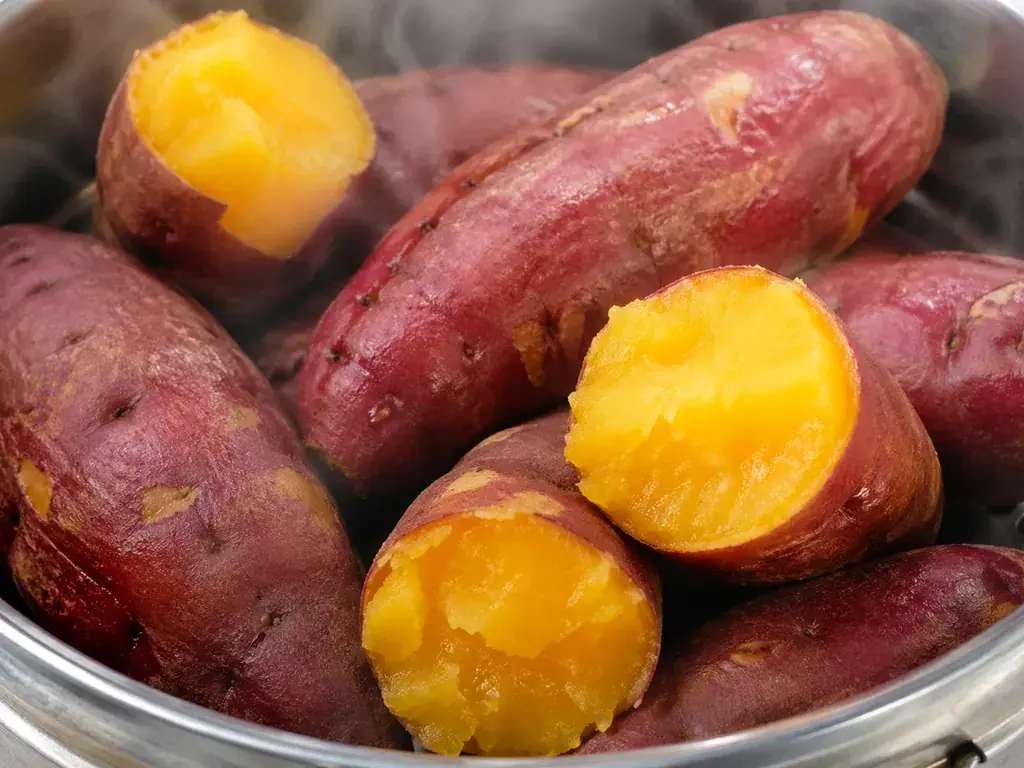
Sweet Potato Lovers, Take Note! Doctors Warn About What Eating Too Much May Cause… 👀
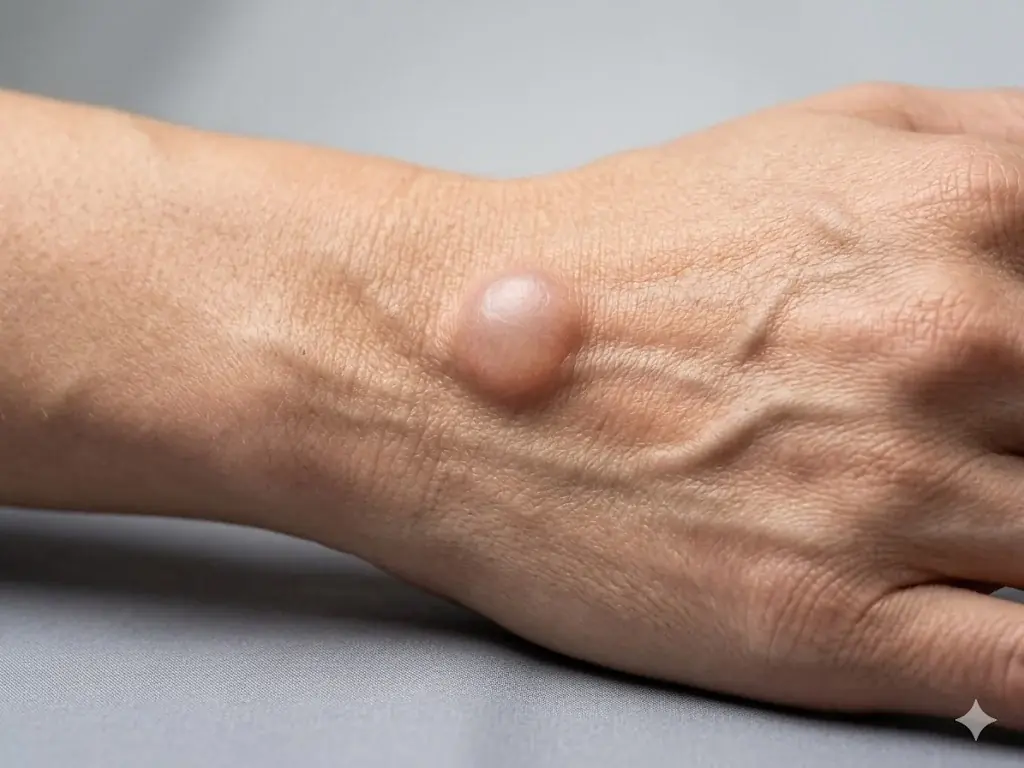
Don’t Squeeze That Lump! What You Should Know About Sebaceous Cysts 👀
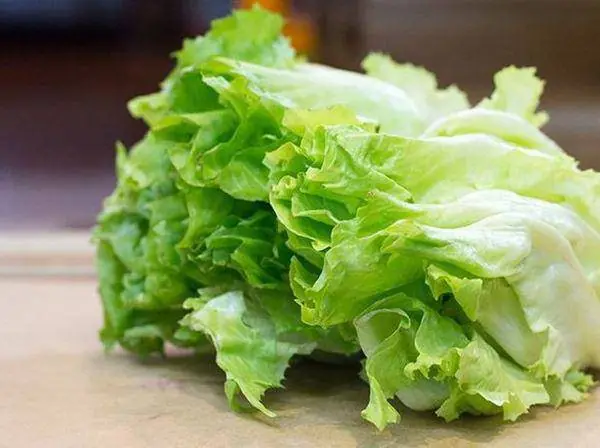
This Common Vegetable May Help Keep Blood Sugar in Check - Here’s Why It’s Worth Adding to Your Diet
The Results May Surprise You

🚨 Sudden Heel Pain With Little Activity? Don’t Overlook These Possible Causes
Health Experts Explain Why Peanuts Deserve a Place in Your Diet—and When to Be Careful
This Common Food Is Eaten by Millions Every Year But It Can Be Dan.gerous If Not Prepared Properly..
Many People Swear by Coconut Water for Their Kidneys—But Does the Science Agree?
Your Dry Mouth Every Morning Could Be Caused by These 8 Things
3 selfish habits of husbands that increase their wives’ risk of cer.vical c.a.n.c.e.r
Health Experts Share 4 Daily Habits That Could Affect Your Lung Health
Thinking About Gallbladder Surgery? Know These Changes Beforehand
The Hidden Risk Lurking in Your Favorite Leafy Greens
😲 You’ve Probably Been Eating Chicken Without Realizing What You’re Missing — Look at the Gizzards! 👇

The Kiss Behind the Door

A Father’s Love Hidden in Darkness
Eating Too Much Sugar? These 10 Body Changes May Be Worth Noticing
Where Does Kidney Pain Occur? 5 Areas and Symptoms Worth Knowing

When I Finally Understood My Sister

He Thought She Was Betraying Him, But She Was Saving His Brother 💔
What Happens to Your Body When You Drink Ginger Tea Every Morning?

Respect Should Not Depend on a Last Name