Keep showers comfortably warm
Very hot water can strip the skin of natural oils and worsen dryness.
Short showers or baths using lukewarm water may be more comfortable for people with itchy skin.
After bathing, gently pat the skin dry rather than rubbing it vigorously. Applying an appropriate moisturizer while the skin is still slightly damp can help reduce moisture loss.
These steps may relieve dryness, but they will not treat every underlying cause of itching.
Avoid repeated scratching
Scratching can provide temporary relief, but it may also damage the skin, increase inflammation, and create openings through which bacteria can enter.
Keeping fingernails short may reduce accidental injury. Cool compresses can sometimes provide temporary relief.
If itching is severe enough to interfere with sleep, ask a healthcare professional about suitable treatment rather than repeatedly applying different creams.
Some topical medications are appropriate for specific skin conditions but may be ineffective or harmful when used for the wrong reason.
Be careful with over-the-counter treatments
Anti-itch creams, antihistamines, and other products can be useful in selected situations, but they are not interchangeable.
Antihistamines may help certain allergic conditions, such as hives, but they do not reliably relieve every type of itching.
Some antihistamines can cause drowsiness, confusion, or urinary problems, particularly in older adults. They may also interact with other medicines.
Topical steroid creams can help certain inflammatory conditions but may worsen some infections or cause problems if used improperly or for too long.
Ask a pharmacist or clinician which treatment is appropriate for your symptoms, especially if the rash is widespread, persistent, or unexplained.
Pay attention to the timing of symptoms
A simple record can help a healthcare professional understand what is happening.
Note when the itching began, where it appears, whether it is worse at night, and whether it changes after a shower, a new product, a meal, or a medication.
Record other symptoms as well, including fever, fatigue, swelling, or changes in urine or stool color.
Photographs taken over time may also help show how the rash develops, particularly if its appearance changes between appointments.
However, photographs cannot replace an examination when one is needed.
Do not let embarrassment delay care
Some people avoid medical appointments because they assume a skin problem is insignificant or worry that they are overreacting.
Others may feel embarrassed about a rash affecting private areas or about the possibility of an infestation.
Healthcare professionals regularly evaluate these problems. Providing accurate information helps them identify the cause and recommend suitable treatment.
Daniel realized that he had delayed care partly because he did not want to interrupt his routine.
He had told himself that a doctor would be unnecessary for something as ordinary as itching. But once the symptoms persisted, the more useful question was not whether he should be worried. It was whether he had enough information to understand what was happening.
He did not need to assume the worst. He needed to stop assuming he already knew the answer.
The emotional side of unexplained symptoms
Persistent itching can affect more than the skin.
Interrupted sleep can lead to fatigue, irritability, and difficulty concentrating. Constant discomfort can make it harder to work, socialize, or enjoy ordinary activities.
When symptoms remain unexplained, uncertainty can create additional stress.
Daniel experienced this combination firsthand. He was tired from waking during the night and frustrated that his usual remedies were not working. Once he sought medical care, he still had to wait for answers, but he no longer had to manage the problem entirely through guesswork.
That distinction mattered.
A medical evaluation does not always produce an immediate diagnosis. Some conditions require follow-up, additional testing, or a period of observation. Even so, a structured plan can be more useful than repeatedly trying unverified remedies.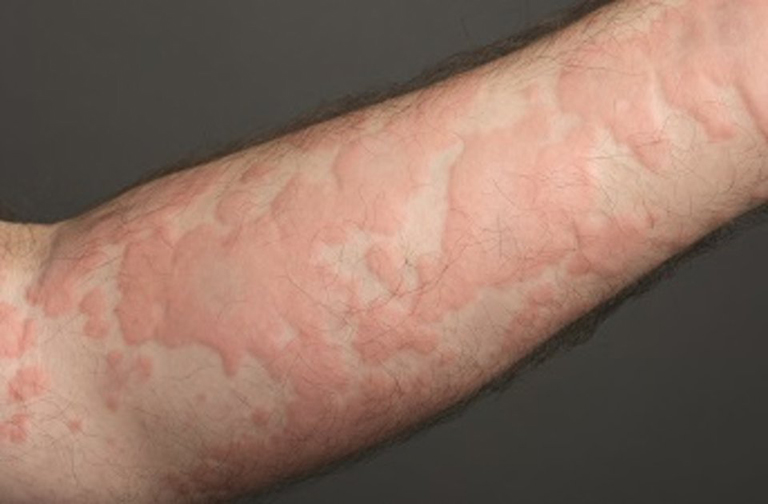
Final thoughts: An Itch Is a Symptom, Not a Diagnosis
Daniel's experience began with a small patch of irritated skin. He assumed it was an allergy and expected it to disappear.
When the itching spread and began interfering with his sleep, he tried different products and continued with his daily routine.
Eventually, he realized that the symptoms were not improving and sought medical advice.
The most important lesson was not that every itchy rash hides a serious disease. It was that persistent symptoms deserve attention when the original explanation no longer fits.
Itching can be caused by allergies, eczema, infections, medication reactions, and a wide range of other conditions. In some cases, it may be associated with problems affecting the liver, kidneys, thyroid, or blood.
Cancer is one possible but uncommon explanation in certain circumstances. It cannot be diagnosed from an itchy rash alone, and most people with itching do not have cancer.
The appropriate response is to consider the full clinical picture, seek medical evaluation when symptoms persist or worsen, and avoid drawing conclusions from photographs or online stories.
If you are experiencing unexplained itching, pay attention to how long it lasts, whether it affects your sleep, and whether other symptoms develop. A healthcare professional can help determine whether examination, testing, or treatment is necessary.
Do not ignore symptoms that continue to worsen but do not assume the worst simply because they persist.
Sometimes the most important step is also the simplest: stop guessing, ask the right questions, and find out what your body is trying to tell you.