Reading nutrition labels can help reduce unnecessary sodium consumption.
Include Potassium-Rich Foods
Potassium helps regulate fluid balance and supports healthy blood pressure.
Examples include:
-
Bananas
-
Sweet potatoes
-
Spinach
-
Beans
-
Avocados
Individuals with kidney disease should consult their healthcare provider before increasing potassium intake.
Habit #3: Stay Properly Hydrated
Water Supports Circulation
Blood consists largely of water.
When hydration levels are adequate, blood can flow more efficiently throughout the body.
Signs of Dehydration
Mild dehydration may contribute to:
-
Fatigue
-
Dizziness
-
Headaches
-
Reduced circulation efficiency
Practical Hydration Tips
-
Drink water consistently throughout the day.
-
Increase fluid intake during hot weather.
-
Consume water-rich fruits and vegetables.
-
Monitor urine color as a general hydration indicator.
Hydration needs vary from person to person based on activity level, climate, and health status.
Habit #4: Manage Daily Stress
The Blood Pressure Connection
Stress activates the body's "fight-or-flight" response.
During this response:
-
Heart rate increases
-
Blood vessels constrict
-
Blood pressure may rise
Occasional stress is normal, but chronic stress can negatively affect cardiovascular health.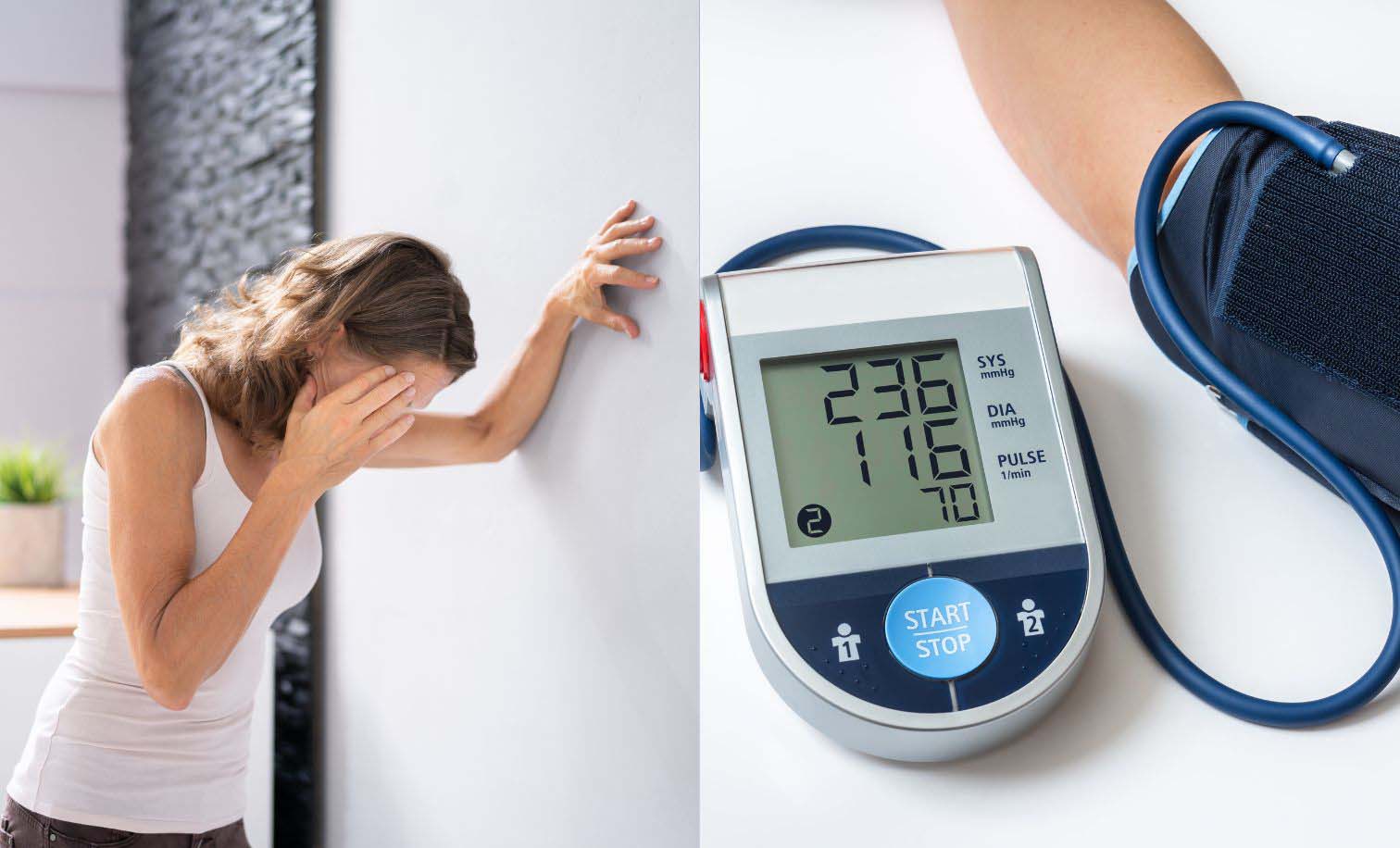
Healthy Stress-Management Techniques
Helpful approaches include:
-
Deep breathing exercises
-
Meditation
-
Yoga
-
Journaling
-
Spending time outdoors
-
Listening to music
-
Connecting with family and friends
Sleep Also Matters
Stress and poor sleep often occur together.
Improving sleep quality can help support healthier blood pressure levels.
Habit #5: Prioritize Quality Sleep
Sleep and Cardiovascular Health
During sleep, the body performs important repair and recovery processes.
Poor sleep has been associated with:
-
Elevated blood pressure
-
Increased inflammation
-
Reduced vascular health
-
Higher cardiovascular risk
Signs You May Need Better Sleep
-
Waking up tired
-
Frequent nighttime awakenings
-
Difficulty falling asleep
-
Excessive daytime fatigue
Building Better Sleep Habits
Consider:
-
Maintaining a consistent bedtime
-
Limiting screen exposure before bed
-
Creating a comfortable sleep environment
-
Avoiding excessive caffeine late in the day
Most adults benefit from seven to nine hours of quality sleep each night.