Beyond the five primary habits discussed above, several other practices may help.
Avoid Smoking
Smoking damages blood vessels and reduces circulation efficiency.
Maintain a Healthy Weight
Excess body weight can place additional strain on the heart and circulatory system.
Limit Excessive Alcohol Intake
Moderation is important for cardiovascular health.
Monitor Blood Pressure Regularly
Regular monitoring helps identify changes before complications develop.
Follow Medical Advice
Individuals with hypertension or vascular disease should continue prescribed treatment plans.
Common Signs of Circulation Problems
Recognizing potential symptoms early may encourage timely medical evaluation.
Possible signs include:
-
Cold hands or feet
-
Leg swelling
-
Numbness or tingling
-
Slow wound healing
-
Muscle cramps
-
Varicose veins
-
Fatigue during physical activity
These symptoms can result from various conditions and should be discussed with a healthcare provider when persistent.
When to Seek Medical Attention
Lifestyle habits are valuable, but some symptoms require professional evaluation.
Seek medical advice if you experience:
-
Consistently elevated blood pressure
-
Chest pain
-
Severe shortness of breath
-
Sudden swelling
-
Dizziness or fainting
-
Persistent leg pain
Early intervention often improves long-term outcomes.
The Power of Consistency
One of the biggest misconceptions about cardiovascular health is that major changes are required to see results.
In reality, consistent daily habits often have the greatest impact.
Small improvements practiced regularly can support:
-
Healthier blood vessels
-
Better circulation
-
Improved blood pressure control
-
Enhanced overall well-being
The key is sustainability rather than perfection.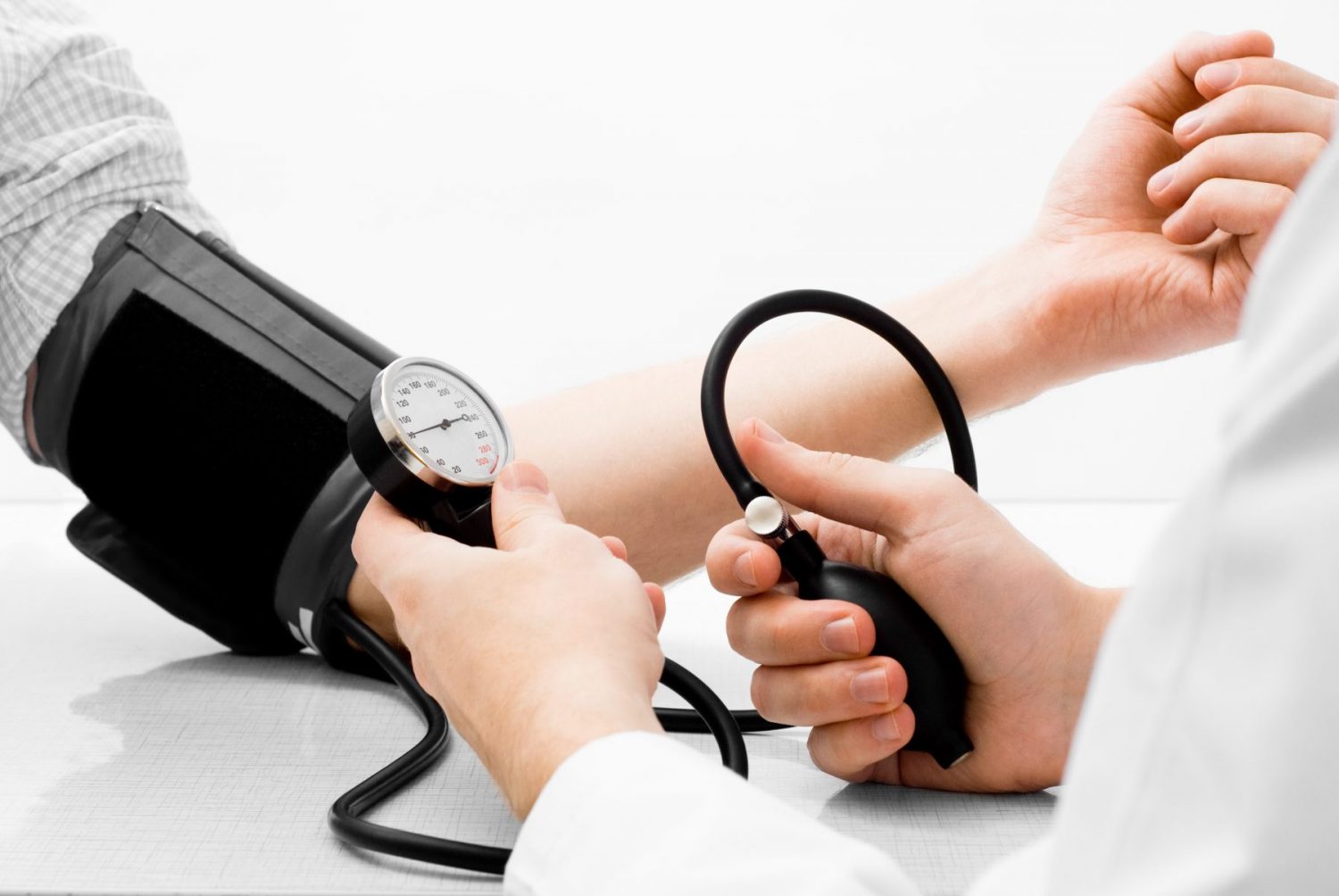
Final Thoughts
Healthy blood pressure and efficient circulation are foundational to long-term health. While genetics and medical conditions can influence cardiovascular risk, daily habits play a powerful role in supporting the circulatory system.
Regular physical activity, heart-friendly nutrition, proper hydration, stress management, and quality sleep are five simple yet effective habits that may help maintain healthy blood pressure and promote better circulation.
No single habit can guarantee perfect health, but together these lifestyle choices create a strong foundation for cardiovascular wellness. By making these practices part of your daily routine, you can take meaningful steps toward protecting your heart, blood vessels, and overall quality of life.