10 Daily Habits That May Be Quietly Harming Your Kidneys
Your kidneys work around the clock to keep your body healthy. Every day, they filter waste from your blood, regulate fluid balance, help control blood pressure, support red blood cell production, and maintain healthy levels of important minerals.
Because the kidneys are so efficient, they can continue functioning even when they're under stress. That also means kidney damage often develops gradually and may not cause noticeable symptoms until it has progressed.
The good news? Many of the factors that affect kidney health are within your control. Here are 10 everyday habits that may put extra strain on your kidneys—and what you can do instead.
1. Not Drinking Enough Water
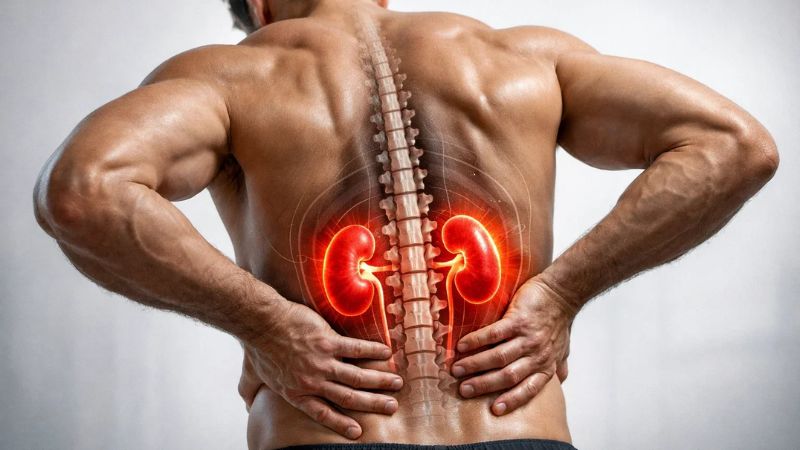
Your kidneys need adequate water to help remove waste products through urine.
Consistently drinking too little water may increase the risk of dehydration, kidney stones, and urinary tract problems in some people.
Aim to stay hydrated throughout the day, adjusting your fluid intake based on your activity level, climate, and your healthcare provider's advice.
2. Eating Too Much Salt
A diet high in sodium can increase blood pressure, one of the leading risk factors for chronic kidney disease.
Many processed foods—including canned soups, frozen meals, chips, fast food, and processed meats—contain surprisingly large amounts of salt.
Whenever possible:
- Read nutrition labels.
- Choose lower-sodium options.
- Flavor foods with herbs and spices instead of extra salt.
3. Frequently Taking Pain Relievers
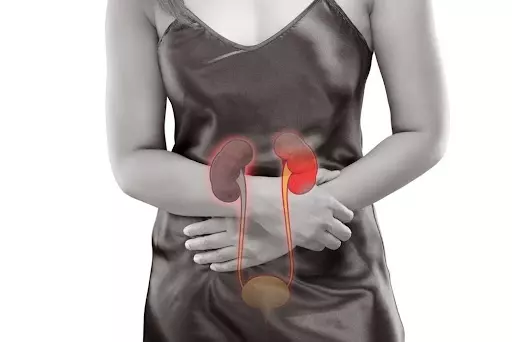
Overusing certain over-the-counter pain medications, especially nonsteroidal anti-inflammatory drugs (NSAIDs) such as ibuprofen or naproxen, may reduce blood flow to the kidneys and increase the risk of kidney injury, particularly in people with existing kidney disease or dehydration.
Always follow dosing instructions and consult your healthcare provider if you need pain medication regularly.
4. Drinking Too Many Sugary Beverages
Sugary drinks can contribute to obesity, type 2 diabetes, and high blood pressure—all major risk factors for kidney disease.
Replacing some sugary beverages with water or unsweetened drinks may benefit both your kidneys and your overall health.
5. Smoking
Smoking damages blood vessels throughout the body, including those that supply the kidneys.
It also increases the risk of high blood pressure, heart disease, and kidney disease while reducing blood flow to vital organs.
Quitting smoking is one of the best steps you can take for your long-term health.
6. Sitting for Too Long
A sedentary lifestyle has been linked to an increased risk of several chronic diseases that may indirectly affect kidney health.
Simple ways to stay active include:
- Walking during breaks
- Stretching every hour
- Taking the stairs
- Exercising most days of the week
Even moderate physical activity can make a difference.
7. Ignoring High Blood Pressure
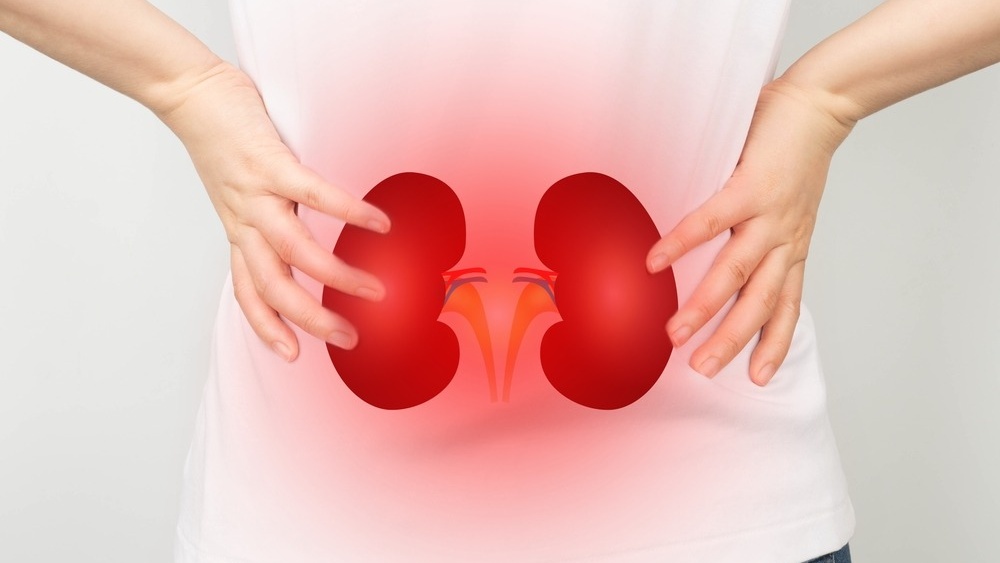
High blood pressure is often called the "silent killer" because it may cause no symptoms while gradually damaging the kidneys.
Checking your blood pressure regularly and following your treatment plan can help reduce your risk of kidney complications.
8. Poor Blood Sugar Control
Diabetes is one of the leading causes of chronic kidney disease worldwide.
Over time, high blood sugar can damage the tiny blood vessels that help your kidneys filter waste effectively.
If you have diabetes, regular monitoring, healthy eating, exercise, and taking prescribed medications can help protect your kidneys.
9. Eating Too Many Ultra-Processed Foods
Highly processed foods are often high in sodium, added sugars, unhealthy fats, and preservatives.
A diet centered around whole foods—including fruits, vegetables, whole grains, legumes, lean proteins, and healthy fats—supports overall health and may reduce the risk of chronic diseases that affect the kidneys.
10. Skipping Regular Health Checkups
Kidney disease often develops without noticeable symptoms in its early stages.
Routine checkups, especially if you have diabetes, high blood pressure, heart disease, or a family history of kidney disease, can help detect problems early.
Simple blood and urine tests may identify kidney changes before symptoms appear.
Early Signs That May Suggest a Kidney Problem
Kidney disease often has no symptoms in its early stages, but as it progresses, some people may notice:
- Swelling in the ankles, feet, or hands
- Fatigue or weakness
- Changes in urination
- Foamy urine
- Blood in the urine
- Persistent itching
- Difficulty concentrating
- Muscle cramps
- Loss of appetite
- Nausea
These symptoms can have many different causes, so it's important to seek medical evaluation rather than self-diagnosing.
Simple Habits That Support Kidney Health
Healthy kidneys benefit from healthy daily routines:
- Stay well hydrated.
- Eat a balanced diet rich in fruits and vegetables.
- Limit excess salt and added sugars.
- Exercise regularly.
- Maintain a healthy weight.
- Control blood pressure and blood sugar.
- Avoid smoking.
- Use medications only as directed.
- Get routine health screenings.
The Bottom Line
Your kidneys perform hundreds of essential tasks every day, yet they often receive little attention until problems develop. Fortunately, many of the lifestyle habits that influence kidney health are within your control.
Small, consistent changes—such as staying hydrated, eating a balanced diet, exercising regularly, managing chronic conditions, and avoiding unnecessary medication use—can go a long way toward protecting your kidneys for years to come.
Disclaimer: This article is for educational purposes only and should not replace professional medical advice. If you have symptoms of kidney disease or concerns about your kidney health, consult a qualified healthcare provider for evaluation and personalized recommendations.