Here Are the Consequences of Sleeping With Your Phone Next to You
Keeping your phone beside your bed may seem harmless, but using it late at night can affect your sleep, mood, and daily energy. From endless scrolling to unexpected notifications, small nighttime habits can gradually interfere with the quality of your rest.
For many people, a smartphone is the last thing they look at before falling asleep and the first thing they reach for in the morning. They may use it as an alarm clock, check messages before bed, or watch videos until their eyes become tired. Although these behaviors are common, they can make it harder to maintain a healthy sleep routine.
The main concern is not simply that a phone is physically near the bed. Rather, the screen light, stimulating content, constant notifications, and temptation to keep checking the device can delay bedtime or interrupt sleep. Understanding these effects can help people make practical changes without giving up the convenience of their phones.
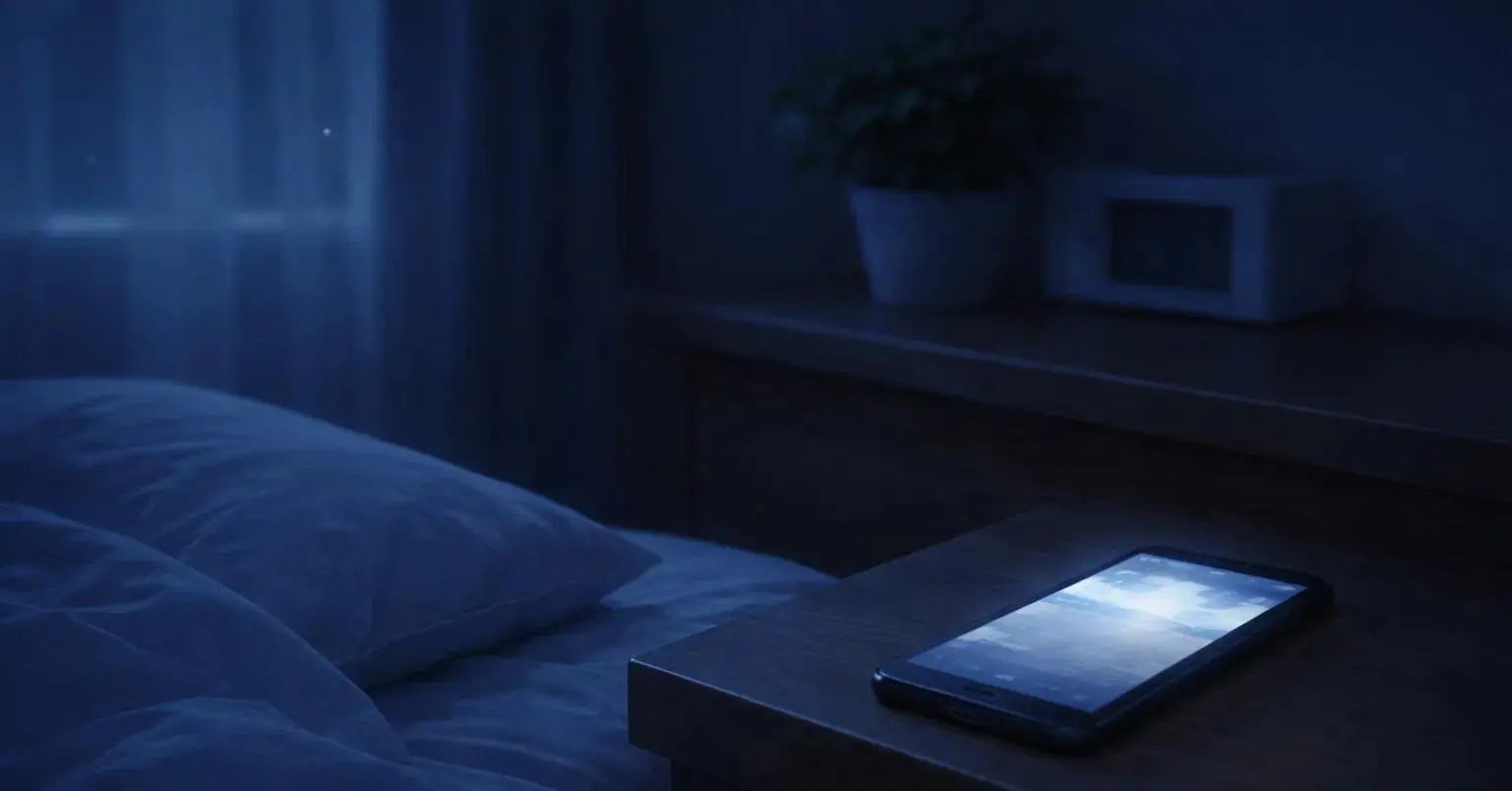
1. It May Take You Longer to Fall Asleep
One of the most common consequences of using a phone at bedtime is delaying sleep without realizing it. A person might intend to check one message, only to spend another 30 or 60 minutes browsing social media, watching videos, or reading online discussions.
This happens partly because smartphones provide an almost endless supply of new content. Each post, video, or message creates another reason to keep looking. Even when the body feels tired, the mind may remain engaged with what appears on the screen.
Over time, this can push bedtime later and reduce the total amount of sleep available before the morning alarm rings. Someone who needs to wake up early for work or school may gradually accumulate sleep loss, leaving them tired throughout the day.
The habit can be particularly difficult to notice because the lost time occurs in small increments. Five minutes becomes ten, then twenty, and eventually a significant portion of the evening disappears.
A practical solution is to establish a specific time to stop browsing. Put the phone aside around 30 minutes before bed, and gradually extend that period if you find it helpful. If you need the device for an alarm, set the alarm first rather than keeping the screen active while you are trying to relax.
The objective is to create a clear boundary between entertainment and sleep. A consistent stopping time can make it easier to follow a regular bedtime and wake up feeling more refreshed.
2. Screen Light Can Affect Your Body Clock
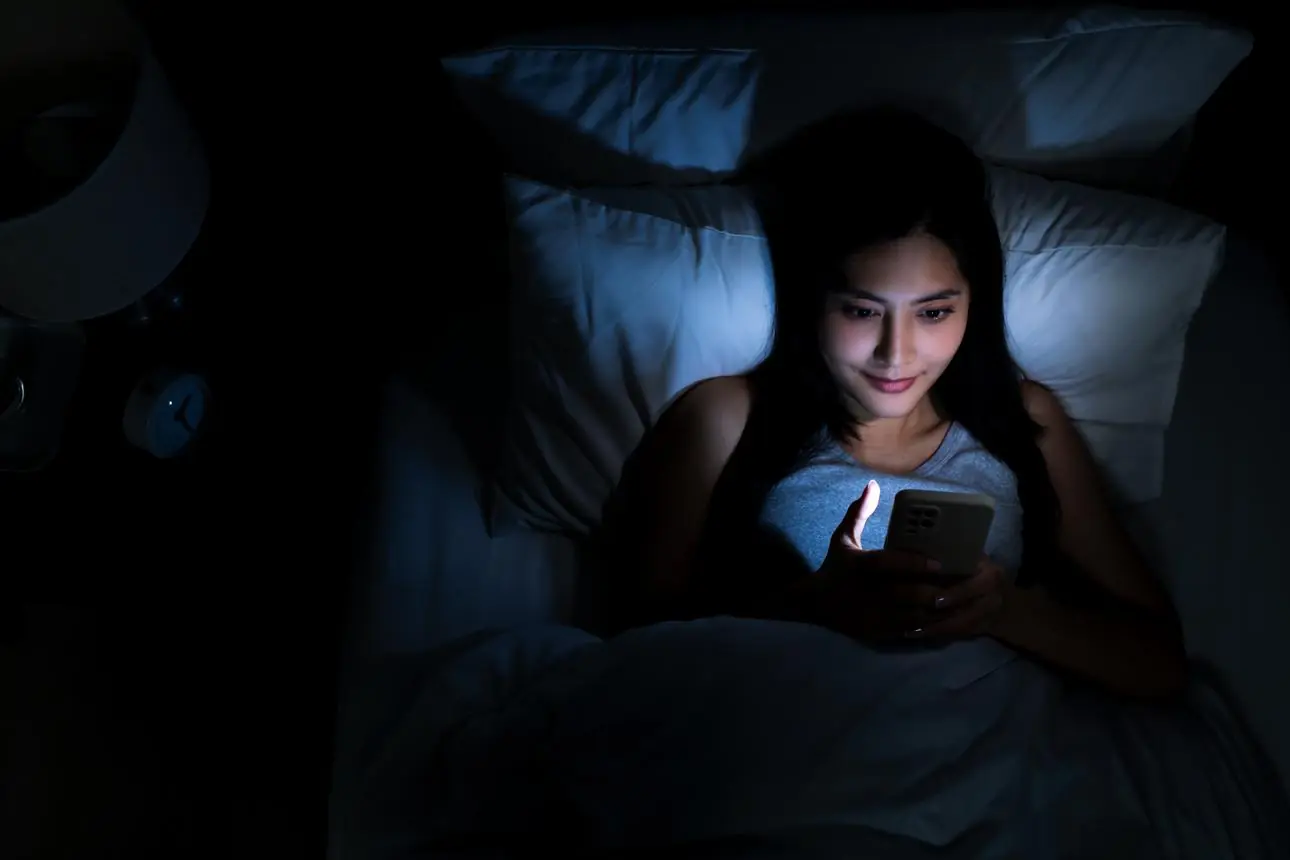
The human body has an internal timing system called the circadian rhythm. It helps regulate when we feel awake and when we become sleepy, responding to signals such as daylight, darkness, and daily routines.
Light exposure in the evening can influence this system. Smartphone screens emit light, including blue wavelengths, that can affect the body's natural nighttime signals. Depending on brightness, duration, timing, and individual sensitivity, screen exposure before bed may suppress melatonin release and delay the feeling of sleepiness.
Melatonin is a hormone that helps signal to the body that it is nighttime. When evening light exposure interferes with this signal, some people may find it harder to fall asleep at their intended time.
However, the effect varies. A brief glance at a dim screen is different from watching bright videos for hours in a dark room. The distance from the screen, the brightness setting, and the content being viewed can all influence the overall experience.
To reduce potential disruption, lower the screen brightness in the evening and consider using a night display setting. These features may make the screen more comfortable to view, but they do not eliminate the effects of prolonged phone use.
It can also help to dim the lights in your room before bedtime and spend the final part of the evening doing something relaxing that does not require looking at a screen.
3. Notifications Can Interrupt Rest
Even when you stop actively using your phone, notifications can still interfere with your sleep. A ringtone, vibration, or sudden flash of light may wake you or briefly interrupt your sleep without you remembering it the next morning.
The effect depends on how the phone is configured and how sensitive you are to sound and light. Some people sleep through notifications, while others wake up easily whenever a message arrives.
Repeated interruptions can make a night's rest feel less refreshing. If you wake up and immediately check the device, the resulting activity may make it even harder to return to sleep.
Work emails, social media alerts, and group chats can also create a sense that you need to remain available at all times. This expectation may make it difficult to mentally disconnect from daily responsibilities.
One of the simplest ways to address the problem is to enable Do Not Disturb or a similar sleep setting. You can silence nonessential notifications while allowing calls from selected contacts in case of an emergency.