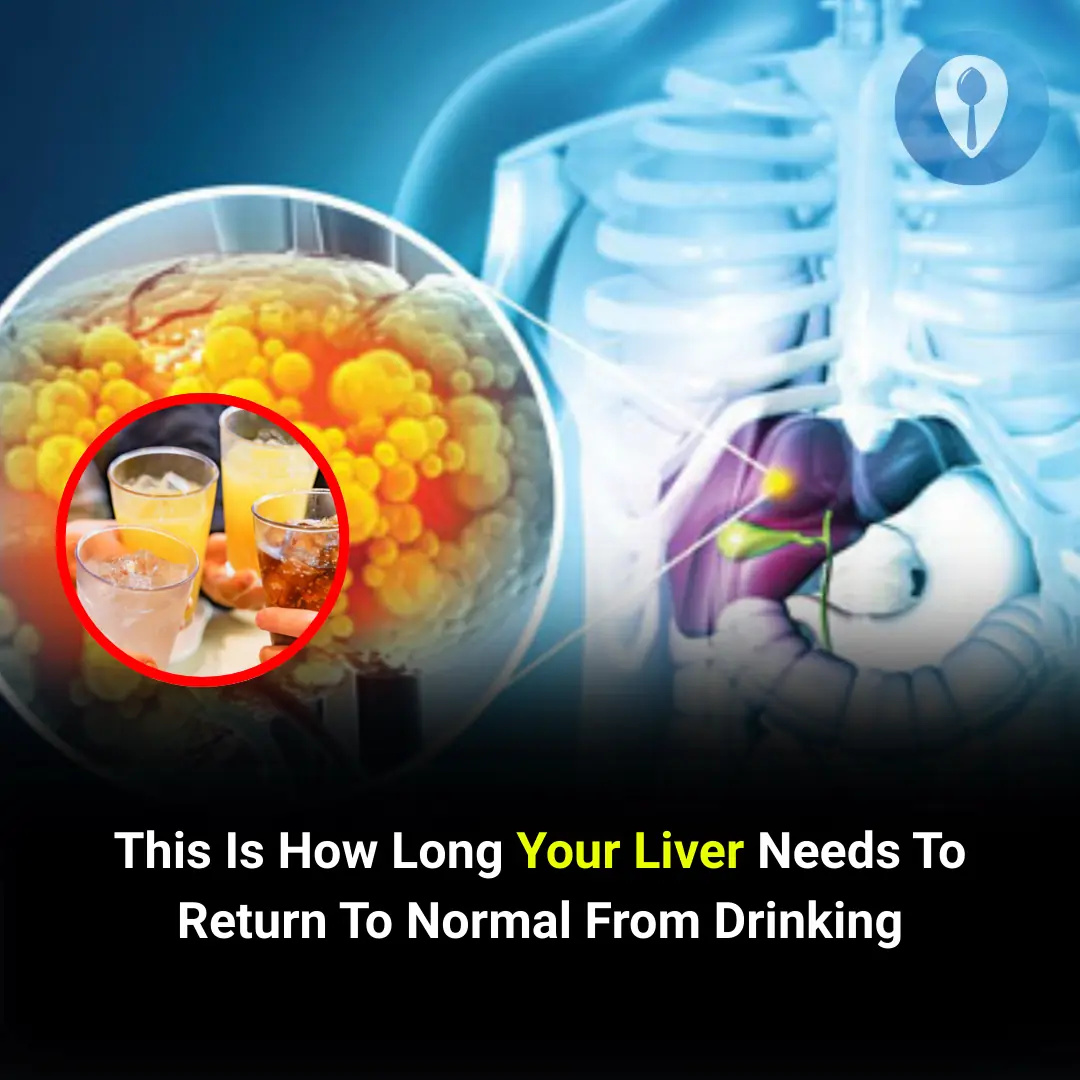
How Long It Takes Your Liver to Heal After Drinking Alcohol
Your liver is one of the hardest-working organs in your body. It performs more than 500 essential functions — from filtering toxins and breaking down fats to storing energy and helping with blood clotting. When you drink alcohol, your liver drops everything else to process this toxic substance. Over time, repeated alcohol consumption can overload the liver and lead to damage. The good news? Once you stop drinking, your liver begins healing right away.
The First 24 Hours: A Sigh of Relief
Within the first day after your last drink, your liver gets a break from the endless job of metabolizing alcohol. Inflammation markers begin to drop, blood flow improves, and the liver cells can shift from emergency “damage control” back to their normal functions. You might not feel much yet, but the healing process has already started.
About one week in, many people notice real improvements in how they feel. Sleep quality often gets better because the toxins that once interfered with sleep are no longer present. With alcohol out of the system, the liver can use stored glycogen more efficiently, leading to more stable energy levels. Inflammation continues to decrease, helping reduce that sluggish, “blah” feeling.
Day 14: Fat Begins to Clear

By two weeks, the liver may start clearing out excess fat that built up from alcohol use. This is especially important because fatty liver is the earliest and most common form of alcohol-related liver damage. Metabolism begins to normalize, and blood tests often show liver enzymes — like ALT and AST — moving toward healthier levels.
One Month: A Big Turning Point
After about 30 days without alcohol, many physical changes become noticeable. If your liver was enlarged or swollen from alcohol use, that swelling has likely decreased. Lab results commonly show significantly improved liver enzyme levels. You may feel more energetic, mentally sharper, and experience fewer crashes in the afternoon. Your immune system also benefits as the liver can resume producing essential proteins instead of staying in detox mode.
Three Months: The Transformation Phase
Around 90 days in, experts call this the “transformation zone.” At this stage, most of the excess fat is gone, inflammation has dropped significantly, and the liver’s cellular repair mechanisms are in full swing. People often report clearer skin, steadier energy, and better focus. The liver’s ability to produce proteins and regulate fluid balance also moves closer to normal.
Six Months to One Year: Deep Repair
With continued sobriety, healing continues long after the dramatic early improvements. Even though visible changes may slow, the liver is still at work repairing deeper damage. Some scar tissue may improve, although severe scarring — like that seen in advanced cirrhosis — may never fully reverse. Regardless, the risk of serious liver disease drops significantly as the organ’s function improves.
What Determines How Fast You Heal?
Everyone’s liver heals at a different pace. Key factors include how much and how often you drank, how long you drank, your age, and your overall health. Younger individuals and those with less long-term damage tend to recover faster. Still, the encouraging truth is that improvement begins immediately once alcohol is removed from your body.