For many, choosing to sleep apart is not a symptom of trouble but rather a thoughtful, compassionate decision. It’s a reflection of mutual respect, self-care, and a desire to prioritize both health and connection. In fact, sleeping separately can be one of the most loving choices a couple makes to preserve their closeness and quality of life.
Here’s why more and more couples are making this shift—and why it might be worth considering for your own relationship.
1. Health Concerns That Disrupt Sleep
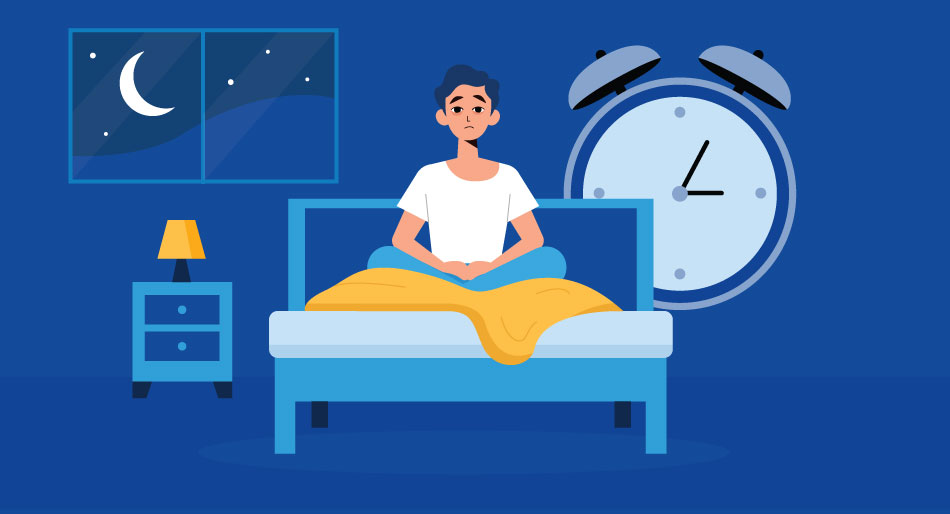
As we age, our bodies change—and so do our nights. Health issues like snoring, sleep apnea, restless leg syndrome, chronic pain, or insomnia can turn bedtime into a battle rather than a time of rest. For many couples, these disruptions don’t just impact sleep—they impact emotional well-being and the ability to function throughout the day.
One partner’s tossing and turning, coughing, or multiple bathroom trips can easily lead to the other lying awake for hours. Over time, this lack of sleep can lead to increased irritability, reduced patience, and even feelings of resentment.
Sleeping in separate beds—or even separate rooms—allows each partner to get the rest they need without sacrificing their relationship. With better sleep comes better moods, more energy, and a stronger ability to show up for one another in everyday life.
2. Different Sleep Patterns and Preferences

By the time we reach midlife, our circadian rhythms often shift. One person may become an early riser, while the other remains a night owl. Some might wake frequently during the night, while others sleep deeply for long stretches.
Other factors, like temperature sensitivity, light preferences, or the need for a particular mattress firmness, can also differ greatly between partners. Maybe one needs absolute silence while the other enjoys a bit of background noise. Maybe one sleeps best in a cool room, while the other needs an electric blanket on full blast.
Separate sleeping arrangements allow couples to fully customize their sleep environments, which can lead to better quality sleep—and in turn, better overall health and harmony.
3. Personal Space Can Actually Deepen Intimacy

It may seem counterintuitive, but giving each other space can actually bring couples closer. After decades of sharing responsibilities—raising children, navigating careers, managing finances—many long-term partners discover a new appreciation for personal autonomy.
Having your own bed, or your own room, doesn’t have to mean emotional distance. In fact, it can lead to:
-
Fewer nighttime arguments
-
Improved mood and energy during the day
-
More intentional physical and emotional connection
Some couples find that they miss each other more when they don’t automatically fall asleep side-by-side every night. Others develop sweet new routines, like visiting each other for cuddles before bed or meeting up in the morning for coffee and conversation.
It’s not about avoidance—it’s about reinventing closeness in a way that fits your current lifestyle and needs.
4. Quality Time Matters More Than Shared Space
Sharing a bed doesn’t guarantee intimacy—just as sleeping apart doesn’t mean a lack of it. What truly matters is the quality of your connection, not the logistics of your sleeping arrangements.
Couples who sleep separately often report feeling more affectionate, more attentive, and more appreciative of each other. With fewer sleep disruptions and more rest, they have more energy to engage meaningfully during their waking hours.
Plus, physical intimacy can still be a joyful and regular part of the relationship—it just becomes more deliberate, and often more satisfying, when both partners feel rested and respected.
The Bottom Line: Separate Beds, Shared Love
Sleeping in separate beds doesn’t mean your relationship is broken—in fact, it can be a sign of growth and maturity. It shows a commitment to health, well-being, and mutual understanding.
For many couples, this change leads to more rest, less resentment, and deeper emotional connection. It’s not about giving up on closeness; it’s about finding new, thoughtful ways to preserve it.
If you or your partner are struggling with disrupted sleep, consider shedding the outdated stigma. Separate beds—or even rooms—might be the solution that brings you closer, happier, and healthier than ever before.