Sleeping with a fan on overnight is a habit many people swear by—especially during hot weather. The gentle hum feels relaxing, the moving air cools the body, and it can even block outside noise. But the truth is, sleeping with a fan on all night may come with hidden downsides, particularly for people with allergies, dry skin, sinus problems, or asthma.
So, should you stop using a fan at night? Not necessarily. But you should understand the risks and learn how to use a fan more safely to protect your sleep and health.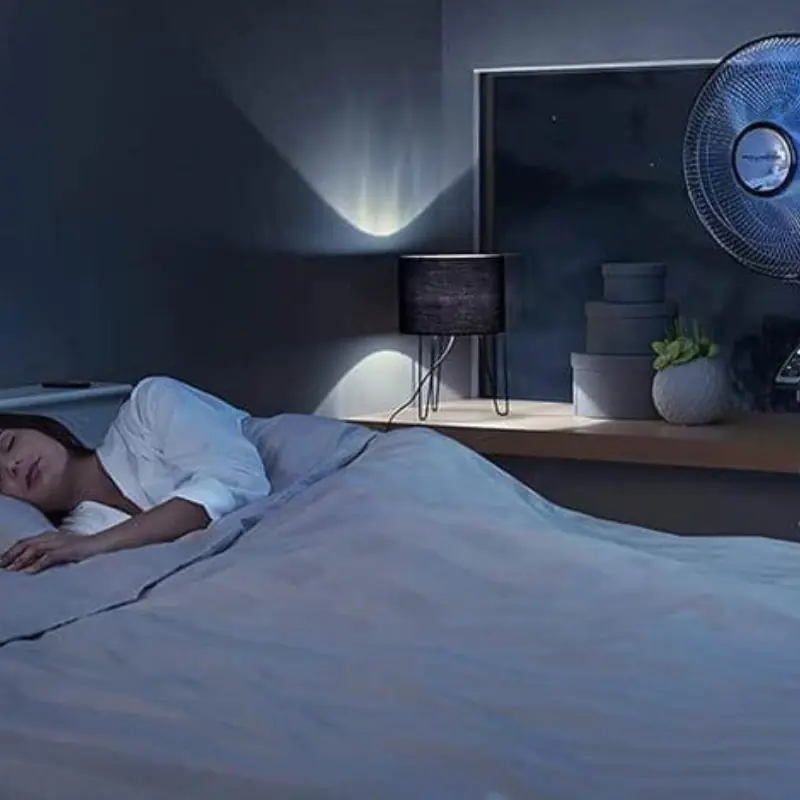
Why You Shouldn’t Sleep With a Fan On Overnight
1) It Can Dry Out Your Throat, Nose, and Eyes
Fans don’t “remove” moisture like an air conditioner, but constant airflow evaporates moisture from your skin and respiratory tract. Over time, that can lead to waking up with:
-
Dry throat
-
Stuffy nose
-
Scratchy eyes
-
Hoarseness
-
Increased coughing
If you often wake up thirsty or congested, your fan may be one of the reasons.
2) It May Trigger Allergies and Sinus Problems
One big downside of sleeping with a fan on overnight is that it keeps dust, pollen, and pet dander circulating in the air. Even if your room looks clean, fans can stir up particles from carpets, bedding, and curtains.
This can worsen:
-
Seasonal allergies
-
Dust allergy symptoms
-
Sinus pressure
-
Sneezing and watery eyes
-
Nighttime asthma flare-ups
If you constantly wake up congested, your fan could be acting like a “dust distributor.”
3) Muscle Stiffness and Neck Pain Can Happen
Some people wake up with stiff shoulders or neck pain after sleeping with a fan on. That’s because cool air blowing directly on your body for hours may cause muscles to tighten, especially around the neck and upper back.
It’s not dangerous for most people, but it can lead to:
-
Morning stiffness
-
Muscle cramps
-
Tension headaches
4) It May Cause Skin Dryness and Irritation
If you already struggle with dry skin, eczema, or sensitive skin, constant airflow can make it worse. Fans may accelerate water loss from the skin barrier overnight, leading to:
-
Flaky skin
-
Itching
-
Irritation
-
Chapped lips
5) It Can Make Snoring Worse for Some People
Dry airways and nasal irritation can increase inflammation inside your nose and throat. That can make breathing through the nose harder and cause more mouth breathing—often leading to louder snoring.
Who Should Be Extra Careful With Sleeping Fans?
You should be more cautious if you have:
✅ Asthma
✅ Allergies or sinus infections
✅ Dry eyes or contact lens discomfort
✅ Eczema or very dry skin
✅ Chronic sore throat or mouth breathing
✅ Frequent morning headaches or neck pain
For these groups, a fan overnight may worsen symptoms without you realizing it.
How to Sleep With a Fan More Safely
If you still love your fan, don’t worry—you can reduce risks with a few simple changes:
✅ Point the Fan Away From Your Face
Avoid direct airflow to your head and chest. Aim it toward a wall to circulate air indirectly.
✅ Use a Timer
Instead of running it all night, set the fan to shut off after 1–2 hours once you fall asleep.
✅ Keep Your Room Clean
Wash bedding weekly, vacuum carpets often, and wipe fan blades to reduce dust circulation.
✅ Add Humidity
Use a humidifier, or place a bowl of water in the room to reduce dryness (especially in dry climates).
✅ Consider an Air Purifier
If allergies are the issue, an air purifier can help remove particles that the fan stirs up.