Blood sugar, also known as blood glucose, is the body's primary source of energy. It comes from the food you eat and is regulated by the hormone insulin, which helps move glucose from the bloodstream into the body's cells.
When blood sugar remains higher than normal—a condition known as hyperglycemia—it can affect many organs and systems throughout the body. Hyperglycemia commonly occurs in people with diabetes, but it can also develop in individuals who have not yet been diagnosed.
One challenge is that high blood sugar often develops gradually. Some people experience obvious symptoms, while others may have few or no symptoms until blood glucose levels become significantly elevated. Recognizing potential warning signs can encourage earlier medical evaluation and treatment.
It's important to remember that these symptoms alone cannot diagnose high blood sugar. Many of them may also occur with other medical conditions. The only way to confirm elevated blood glucose is through appropriate blood sugar testing.
Here are 14 signs and symptoms that may be associated with high blood sugar.

1. Frequent Urination (Polyuria)
One of the earliest and most common symptoms of high blood sugar is frequent urination.
When blood glucose becomes too high, the kidneys attempt to remove excess sugar by filtering it into the urine. Water follows the glucose, resulting in larger amounts of urine.
You may notice:
-
More frequent trips to the bathroom
-
Waking multiple times during the night to urinate
-
Producing unusually large amounts of urine
2. Increased Thirst (Polydipsia)
Frequent urination causes the body to lose fluids.
As dehydration develops, the brain signals thirst, causing many people with hyperglycemia to drink much more water than usual.
If you constantly feel thirsty despite drinking enough fluids, it is worth discussing with your healthcare provider.
3. Increased Hunger (Polyphagia)
Even though glucose is present in the bloodstream, the body's cells may not be able to use it effectively when insulin is insufficient or not working properly.
As a result, the body may signal increased hunger in an attempt to obtain more energy.
Some people notice:
-
Feeling hungry shortly after eating
-
Larger-than-usual appetites
-
Frequent snacking
4. Fatigue and Low Energy
Persistent tiredness is another common symptom.
Without enough usable glucose entering the cells, the body cannot efficiently produce energy.
People often describe feeling:
-
Constantly tired
-
Weak
-
Less productive
-
Unable to concentrate
5. Blurred Vision
High blood sugar can temporarily change fluid levels within the eye's lens.
This may cause:
-
Blurry vision
-
Difficulty focusing
-
Fluctuating eyesight
Vision often improves once blood sugar levels are brought under better control, but persistent changes should always be evaluated by an eye care professional.
6. Slow-Healing Cuts and Wounds
Chronically elevated blood sugar may impair circulation and immune function.
As a result:
-
Minor cuts may heal more slowly.
-
Scrapes may remain open longer.
-
Skin injuries may become infected more easily.
People with diabetes should pay close attention to foot wounds, which can become serious if left untreated.
7. Frequent Infections
High blood sugar may make it easier for certain infections to develop.
Common examples include:
-
Urinary tract infections
-
Skin infections
-
Gum infections
-
Yeast infections
Recurrent infections may sometimes be one of the first clues that blood sugar is elevated.
8. Dry Mouth
Dehydration caused by increased urination often leads to dry mouth.
Symptoms may include:
-
Sticky saliva
-
Difficulty swallowing
-
Cracked lips
-
Persistent thirst
Maintaining hydration helps, but persistent dry mouth deserves medical evaluation.
9. Unexplained Weight Loss
Some individuals—particularly those with untreated type 1 diabetes—may lose weight despite eating normally or even more than usual.
Without enough insulin, the body begins breaking down fat and muscle for energy.
Unexpected weight loss should always be discussed with a healthcare professional.
10. Tingling or Numbness in the Hands and Feet
Long-term high blood sugar may damage nerves, a complication known as diabetic neuropathy.
Early symptoms may include:
-
Tingling
-
Burning sensations
-
Numbness
-
Pins and needles
-
Reduced sensation in the feet
These symptoms typically develop gradually over time.
11. Dry or Itchy Skin
High blood sugar can contribute to dry skin due to dehydration and reduced skin moisture.
Some people notice:
-
Itching
-
Flaking
-
Cracked skin
Proper skin care and good blood sugar management may help reduce these symptoms.
12. Darkened Areas of Skin
Some individuals develop patches of darker, thicker, velvety skin, particularly around:
-
The neck
-
Armpits
-
Groin
This condition, called acanthosis nigricans, is often associated with insulin resistance, although it can occur for other reasons as well.
13. Fruity-Smelling Breath
A fruity or sweet odor on the breath may occur when the body produces high levels of ketones.
This can be a sign of diabetic ketoacidosis (DKA), a potentially life-threatening complication that occurs most commonly in people with type 1 diabetes but can also occur in type 2 diabetes under certain circumstances.
Fruity breath should never be ignored, particularly if accompanied by nausea, vomiting, abdominal pain, or rapid breathing.
14. Nausea, Vomiting, or Abdominal Pain
Severely elevated blood sugar—especially when associated with diabetic ketoacidosis or hyperosmolar hyperglycemic state (HHS)—may cause:
-
Nausea
-
Vomiting
-
Abdominal pain
-
Extreme weakness
-
Confusion
These symptoms require immediate medical attention.
What Causes High Blood Sugar?
Several factors may contribute to hyperglycemia.
Common causes include:
-
Diabetes
-
Missed diabetes medications
-
Illness or infection
-
Physical or emotional stress
-
Eating more carbohydrates than usual
-
Reduced physical activity
-
Certain medications, such as corticosteroids
Who Is at Higher Risk?
Risk factors include:
-
Being overweight or obese
-
Family history of diabetes
-
Physical inactivity
-
High blood pressure
-
High cholesterol
-
Previous gestational diabetes
-
Polycystic ovary syndrome (PCOS)
-
Age over 45 years (although diabetes can occur at any age)
How Is High Blood Sugar Diagnosed?
Symptoms alone cannot confirm hyperglycemia.
Healthcare providers may recommend tests such as:
-
Fasting plasma glucose
-
Random blood glucose
-
Oral glucose tolerance test
-
Hemoglobin A1c (HbA1c)
These tests help determine whether blood sugar levels are within the normal range or indicate prediabetes or diabetes.
What Can Help Lower Blood Sugar?
Treatment depends on the underlying cause and should be guided by a healthcare professional.
General strategies may include:
Follow Your Treatment Plan
Take medications or insulin exactly as prescribed.
Never adjust doses without medical advice.
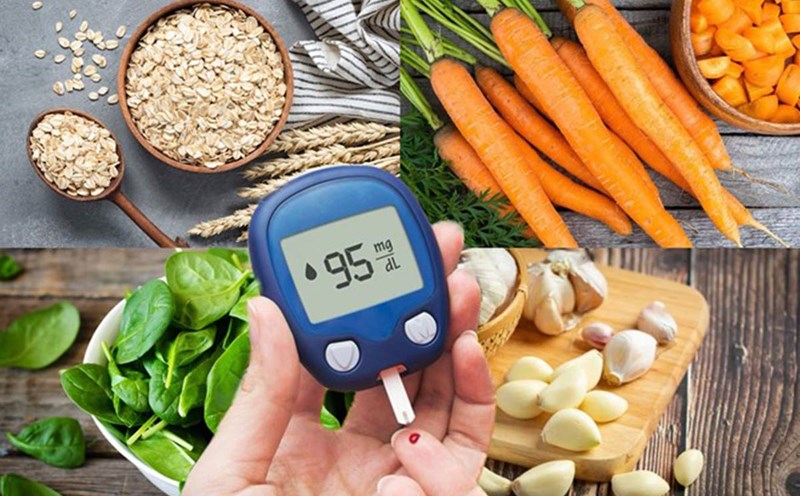
Eat a Balanced Diet
Focus on:
-
Vegetables
-
Whole grains
-
Lean proteins
-
Healthy fats
-
High-fiber foods
Limiting sugary beverages and highly processed foods may help support healthy blood sugar management.
Stay Physically Active
Regular exercise improves insulin sensitivity and helps the body use glucose more efficiently.
Aim for at least 150 minutes of moderate-intensity physical activity each week, if appropriate for your health.
Stay Hydrated
Drinking enough water helps prevent dehydration.
However, hydration alone does not treat significant hyperglycemia.
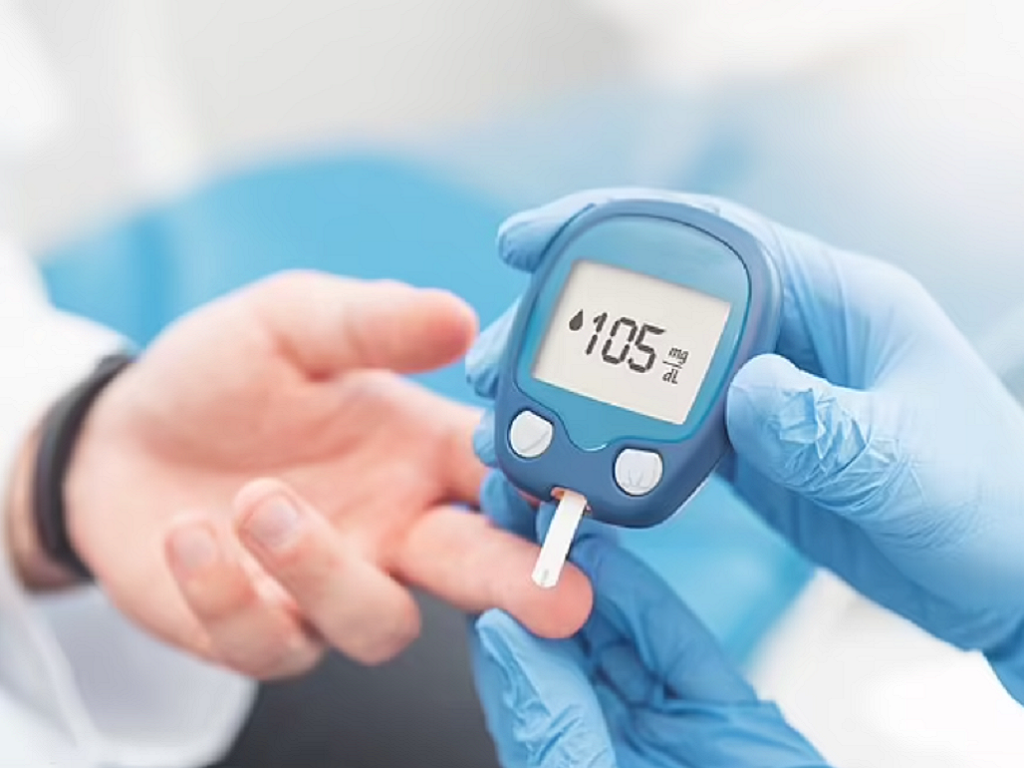
Monitor Blood Sugar
People with diabetes may be advised to check blood glucose at home using a glucose meter or continuous glucose monitor (CGM).
Follow your healthcare provider's recommendations regarding testing frequency.
When Should You Seek Emergency Medical Care?
Seek immediate medical attention if high blood sugar is accompanied by:
-
Difficulty breathing
-
Fruity-smelling breath
-
Persistent vomiting
-
Severe abdominal pain
-
Confusion
-
Extreme drowsiness
-
Loss of consciousness
These symptoms may indicate diabetic ketoacidosis (DKA) or hyperosmolar hyperglycemic state (HHS), both of which are medical emergencies.
Common Myths About High Blood Sugar
Myth 1: High Blood Sugar Always Causes Symptoms
False.
Many people—especially in the early stages of type 2 diabetes—may have elevated blood sugar without noticeable symptoms.
Myth 2: Eating Sugar Alone Causes Diabetes
False.
Type 2 diabetes develops through a combination of genetic, lifestyle, and metabolic factors. Diet is only one part of the picture.
Myth 3: If You Feel Fine, Your Blood Sugar Must Be Normal
False.
The only reliable way to know your blood sugar level is through appropriate testing.
Final Thoughts
High blood sugar can affect nearly every system in the body, and recognizing its possible symptoms may lead to earlier diagnosis and treatment. Frequent urination, increased thirst, excessive hunger, fatigue, blurred vision, slow-healing wounds, recurrent infections, tingling in the hands or feet, and unexplained weight loss are among the common signs that may be associated with elevated blood glucose. However, these symptoms are not specific to diabetes, and some people with high blood sugar experience no symptoms at all.
If you notice persistent or concerning symptoms, don't rely on symptoms alone to determine the cause. A healthcare professional can evaluate your condition and recommend appropriate blood sugar testing. Early detection and proper management can help reduce the risk of long-term complications and support better overall health.