Taking a deep breath might sound simple — but done correctly, it’s one of the most powerful, immediate tools to calm your mind, lower anxiety, and reset your body’s stress response.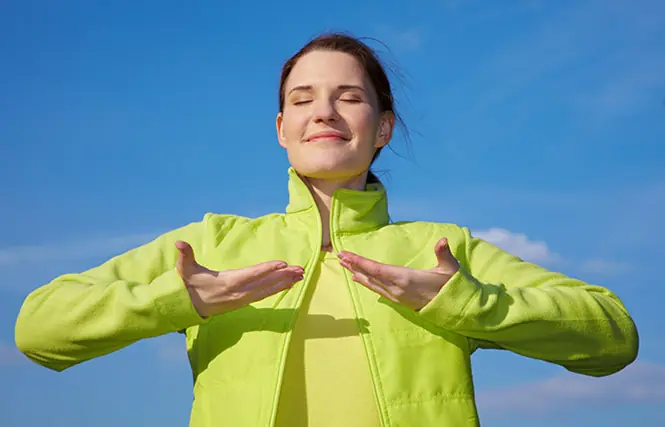
😣 What happens to your body when you’re stressed
When you’re anxious, overwhelmed, or under pressure, your body reacts almost instantly: your heart beats faster, your breathing becomes shallow, your shoulders tighten, and your stomach feels uneasy. This is your body’s fight-or-flight response — a survival mechanism triggered by the nervous system whenever it senses danger.
But here’s the catch: in modern life, “danger” doesn’t always mean a real threat. Deadlines, notifications, or emotional tension can all activate that same physical reaction. The good news? You can reverse it — simply by breathing right.
💡 Why your breath matters more than you think
Dr. Kinjal Modi, consultant pulmonologist at PD Hinduja & MCR Hospital (India), explains that while we breathe thousands of times a day, most of us do it inefficiently. Shallow breathing keeps your body stuck in a state of alert. Slow, deep breathing, on the other hand, sends a powerful message to your brain: You’re safe now.
That message lowers your heart rate, drops your blood pressure, and relaxes tense muscles. Your body literally shifts from “stress mode” to “recovery mode.”
Fast, short breaths — especially during moments of anxiety — have the opposite effect. They trick your brain into thinking danger is still present, keeping you in a loop of panic, tension, and restlessness.
🧘♀️ The simple 4-7-8 technique to calm your body and mind
One of the easiest and most effective breathing methods is called the 4-7-8 technique — and you can do it anywhere, anytime.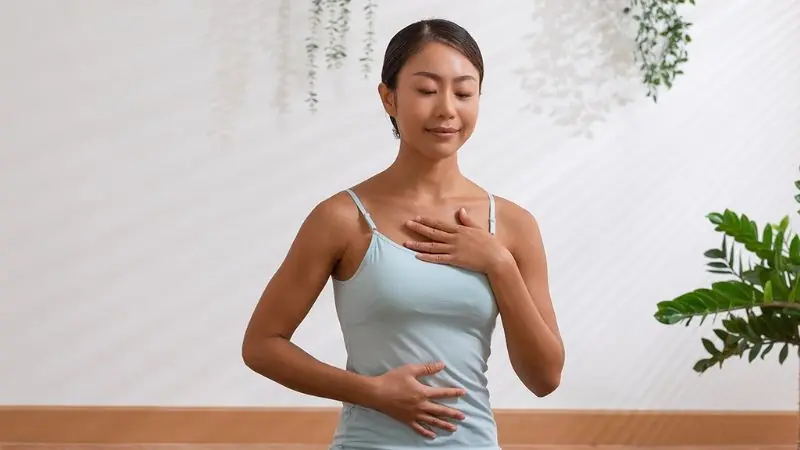
Here’s how:
-
Sit or lie down comfortably. Relax your shoulders and jaw.
-
Exhale slowly through your mouth, releasing all the air from your lungs.
-
Inhale quietly through your nose for 4 seconds, letting your belly rise.
-
Hold your breath for 7 seconds.
-
Exhale completely through your mouth for 8 seconds.
-
Repeat this cycle 3–4 times.
If you find it difficult to hold your breath at first, adjust the timing — the key is to make your exhale longer than your inhale. That’s what tells your nervous system to relax.
🌿 The long-term benefits of proper breathing
While mindful breathing can instantly soothe your nerves, its long-term effects go far beyond relaxation:
-
Lowers blood pressure and reduces the risk of stress-related illnesses.
-
Improves sleep quality by calming the mind before bed.
-
Boosts immune function, helping the body handle stress more efficiently.
-
Enhances focus and emotional stability, keeping you grounded under pressure.
Even just 5 minutes of slow breathing each day can make a measurable difference in your stress levels, mood, and mental clarity.
So next time you feel overwhelmed, don’t rush for coffee or your phone. Just pause — and breathe.