The most useful routine is one that is realistic enough to maintain. You do not need to perform every possible remedy or follow a complicated schedule. Instead, focus on habits that encourage movement, reduce unnecessary sodium intake, and make it easier to recognize changes in your symptoms.
The following example may be appropriate for an otherwise healthy adult experiencing mild, occasional swelling after prolonged sitting or standing. It is not a treatment plan for unexplained, severe, or medically complicated edema.
A practical daily routine
In the morning: Check whether your feet and ankles appear unusually swollen. If the swelling is new, severe, or concentrated in one leg, seek medical advice rather than immediately beginning a home remedy. Wear comfortable footwear and drink fluids according to your usual needs.
During work or daily activities: Avoid remaining in the same position for hours. Take short movement breaks when practical, perform gentle ankle pumps while sitting, and walk briefly when it is safe to do so.
At meals: Choose balanced meals and pay attention to sodium in processed foods, sauces, and packaged snacks. There is no need to eliminate entire food groups or use supplements to force fluid loss.
After prolonged standing or sitting: If the swelling is mild and there are no warning signs, rest comfortably with your legs elevated for approximately 15 to 20 minutes. Adjust the position to remain comfortable and stop if symptoms worsen.
In the evening: Check whether the swelling has improved. Note any pain, redness, warmth, skin changes, or differences between the two legs. If the swelling continues to return, arrange a medical appointment instead of relying indefinitely on home care.
Consistency is more important than intensity. Gentle movement and sensible daily habits are generally easier to maintain than demanding routines or extreme dietary changes.
Common mistakes that can make the situation worse
One mistake is assuming that every swollen foot is caused by poor circulation. Although venous problems and prolonged inactivity are common contributors, edema can also result from medication effects, infection, a blood clot, or disease affecting the heart, kidneys, or liver.
Another mistake is using diuretics without medical advice. Water pills can cause dehydration and electrolyte disturbances, and they may be inappropriate for the underlying condition.
Some people also drastically reduce their water intake because they believe drinking less will prevent swelling. This can impair normal body function and is not a dependable solution.
Others rely on massage, herbal products, or vigorous exercise despite new or painful swelling. If a blood clot or another serious problem is possible, these approaches may delay necessary treatment. Do not massage a leg when deep vein thrombosis is suspected.
Finally, people sometimes ignore swelling because it disappears overnight. Although this pattern can occur with dependent edema, temporary improvement does not rule out venous disease or another underlying condition.
When should you see a doctor?
Seek emergency care if swollen feet or legs occur with chest pain, difficulty breathing, fainting, or coughing up blood.
Seek urgent medical assessment for sudden swelling in one leg, especially if it is painful, warm, red, or tender. Fever accompanying a red, hot, swollen area also requires prompt evaluation.
If you are pregnant, sudden or marked swelling—particularly when accompanied by a severe headache, vision changes, upper abdominal pain, or high blood pressure—requires immediate medical assessment.
Arrange a routine medical appointment if swelling persists for several days, repeatedly returns, gradually worsens, or is accompanied by unexplained weight gain or changes in urination. People with known heart, kidney, liver, or vascular disease should follow their clinician's instructions about when to report worsening swelling.
A healthcare professional may review your medical history and medications, examine your legs, and order tests when indicated. Depending on the symptoms, evaluation might include blood tests, urine tests, or an ultrasound to assess the veins.
The appropriate treatment depends on the diagnosis. Some people benefit from compression, movement, or medication adjustments, while others need specific treatment for an underlying medical condition.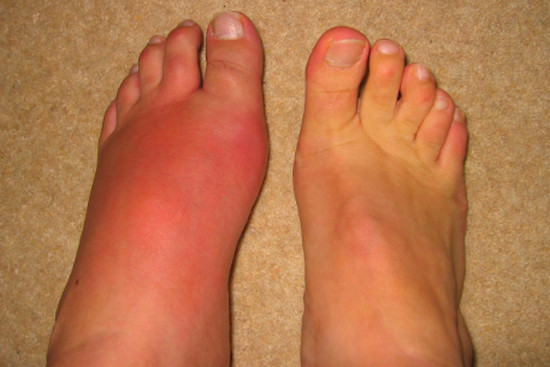
The bottom line
Swollen feet can be uncomfortable, but the best response begins with understanding why the swelling is occurring.
For mild swelling associated with prolonged sitting or standing, everyday habits may help: raise your legs when appropriate, move regularly, activate your calf muscles, choose comfortable footwear, maintain balanced hydration, and reduce excessive sodium intake.
Compression stockings may help selected people, but they should be used at the correct level and only when appropriate for the individual's circulation and medical condition.
Most importantly, do not treat home remedies as a substitute for medical evaluation when swelling is sudden, severe, persistent, or accompanied by other concerning symptoms.
Your feet can provide useful clues about your overall health. Paying attention to changes, maintaining practical daily habits, and seeking timely care when necessary are more effective—and safer—than relying on a single remedy promising to eliminate swelling overnight.