Stains are unavoidable - but permanent stains don’t have to be. The image highlights several simple, household solutions that can effectively remove common stains like ink, wine, grease, deodorant, and coffee. The best part? Most of these methods use ingredients you already have at home.
Let’s break down each method, explain why it works, and how to apply it correctly.
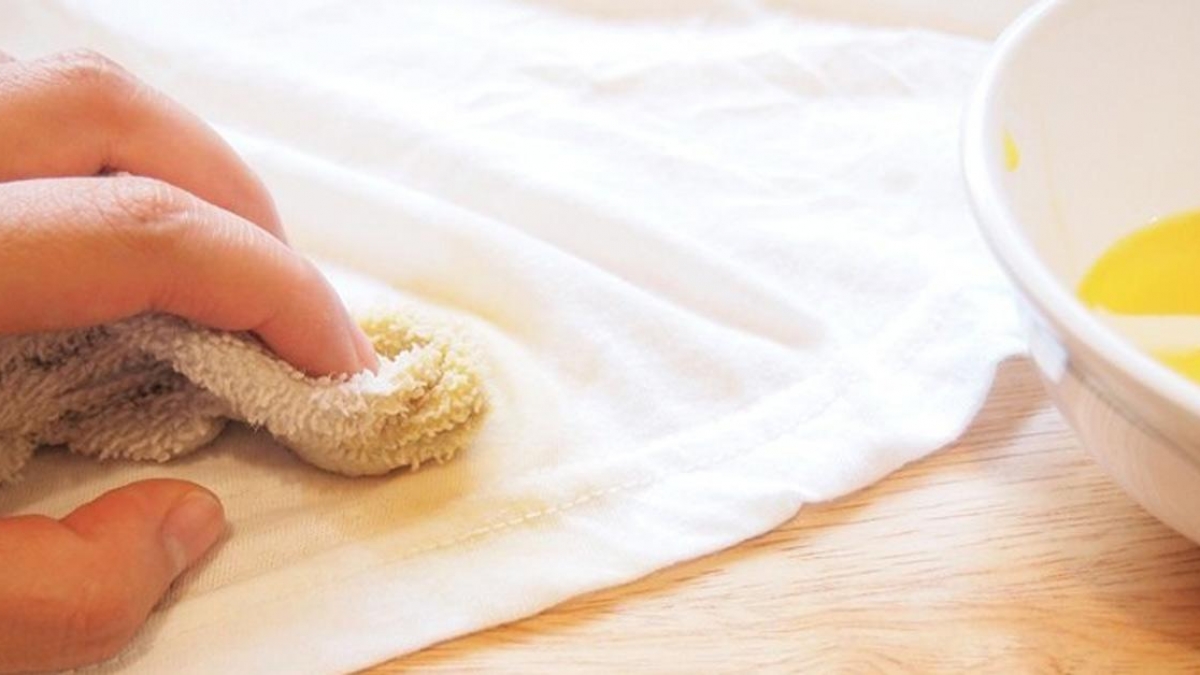
1. Pen (Ink) Stains → Alcohol + Lemon
Why this works:
- Alcohol dissolves ink pigments
- Lemon juice helps break down stains and brighten fabric
How to use:
- Place a cloth under the stained area
- Dab rubbing alcohol onto the stain (don’t rub aggressively)
- Add a few drops of lemon juice
- Blot gently until the stain lifts
- Rinse and wash as usual
Tip:
Always test on a small hidden area first—especially for delicate fabrics.
2. Wine Stains → Salt + White Vinegar
Why this works:
- Salt absorbs liquid and pulls pigment out
- Vinegar breaks down the stain chemically
How to use:
- Blot excess wine immediately (don’t rub)
- Sprinkle salt generously over the stain
- Let it sit for 5–10 minutes
- Add white vinegar and gently blot
- Rinse with cold water and wash
Important:
Act fast - wine stains set quickly.
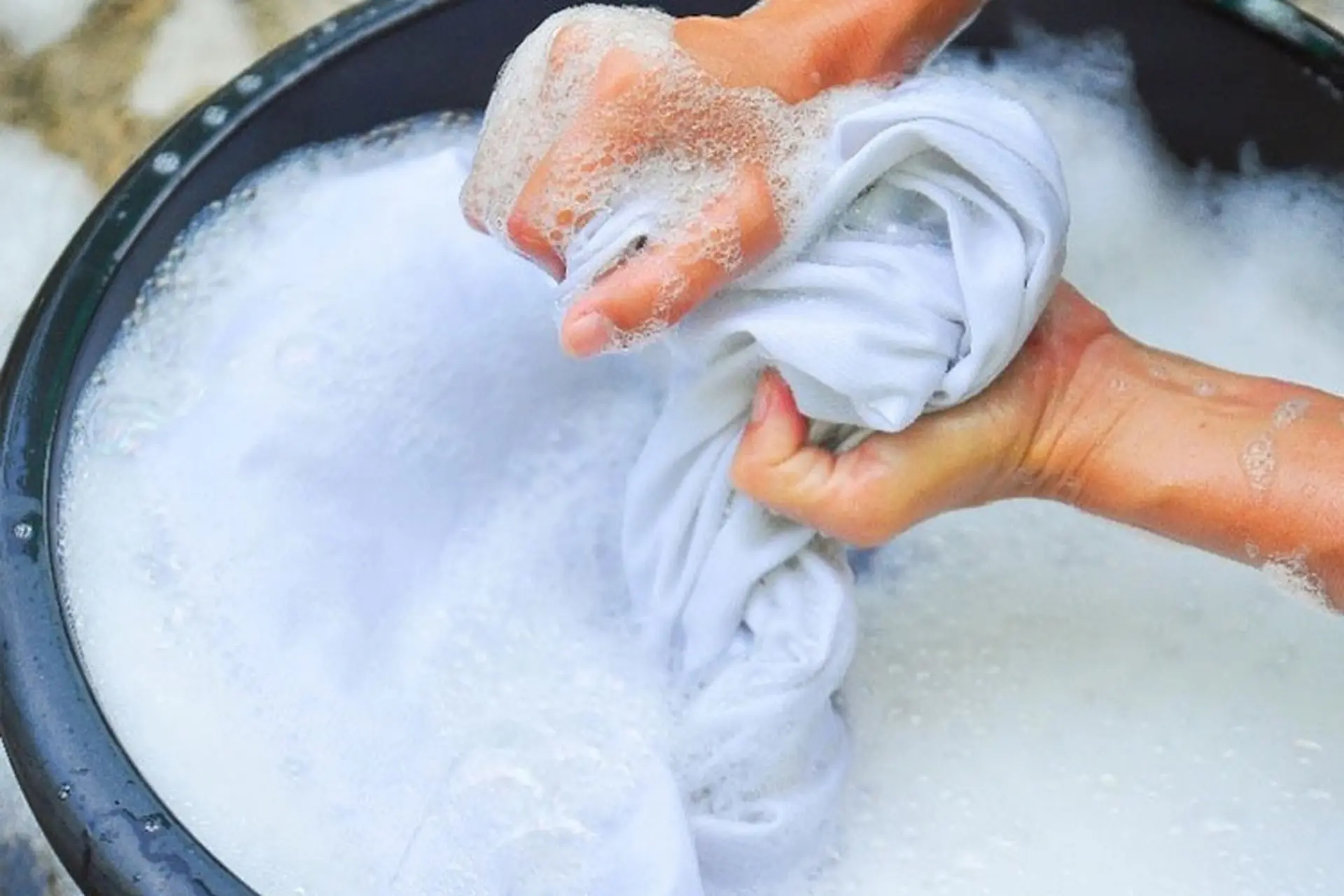
3. Grease Stains → Flour + Warm Water + Soap
Why this works:
- Flour absorbs oil
- Soap breaks down grease molecules
How to use:
- Sprinkle flour over the grease stain
- Let it absorb oil for 10–15 minutes
- Brush off the flour
- Apply dish soap directly
- Rinse with warm water and wash
Tip:
Never use hot water first—it can set grease stains.
4. Deodorant Stains → Baking Soda + Water
Why this works:
- Baking soda is mildly abrasive and alkaline
- Helps lift residue and neutralize odor
How to use:
- Mix baking soda with a little water to form a paste
- Apply to the stained area
- Gently scrub with a soft brush
- Let sit for 15–20 minutes
- Rinse and wash
5. Coffee Stains → Hydrogen Peroxide
Why this works:
- Hydrogen peroxide acts as a mild bleaching agent
- Breaks down dark pigments in coffee
How to use:
- Pour a small amount directly onto the stain
- Let it sit for a few minutes
- Blot gently
- Rinse with cold water and wash
Warning:
Best for light-colored fabrics - can fade darker materials.

General Rules for Removing Stains
No matter the type of stain, these principles apply:
1. Act quickly
Fresh stains are always easier to remove.
2. Don’t rub aggressively
Rubbing can spread the stain deeper into fibers.
3. Use cold water first (in most cases)
Hot water can “set” many stains permanently.
4. Test before applying
Always check how fabric reacts to cleaning agents.
Why These Methods Work
Each solution targets a specific type of stain:
- Oil-based stains → need absorbents + soap
- Pigment stains (ink, wine, coffee) → need solvents or mild acids
- Residue stains (deodorant) → need gentle abrasion and neutralization
Understanding this makes stain removal more logical, not random.
Final Take
You don’t need expensive cleaning products to deal with stains effectively. With the right combination of simple ingredients and proper technique, most stains can be removed quickly and safely.
- Ink? Use alcohol
- Wine? Use salt and vinegar
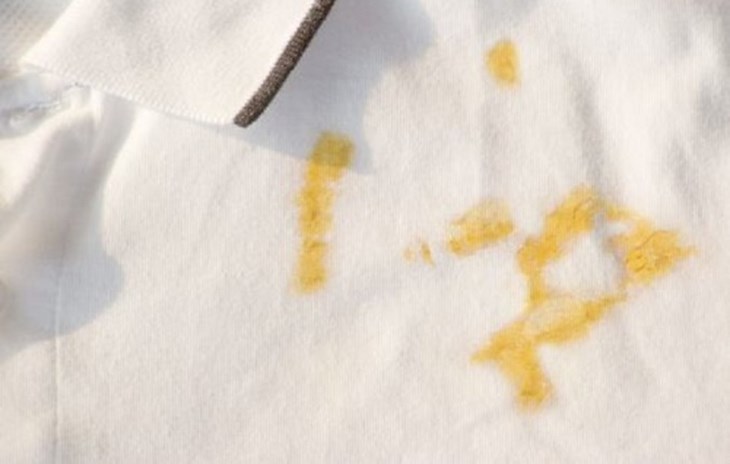
- Grease? Absorb and break it down
- Coffee? Light oxidation works
The key is not just what you use—but how and when you use it.