Uterine fibroids are one of the most common noncancerous growths affecting women during their reproductive years. Although many women with fibroids experience no symptoms at all, others may develop discomfort, heavy menstrual bleeding, pelvic pressure, or other health issues that can significantly affect daily life.
Because symptoms often develop gradually, many women mistake them for normal hormonal changes, stress, aging, or typical menstrual discomfort. In some cases, fibroids are only discovered during routine pelvic exams or imaging tests performed for unrelated reasons.
Understanding the possible signs and symptoms of uterine fibroids may help women recognize when medical evaluation is important and better understand how these growths can affect the body.
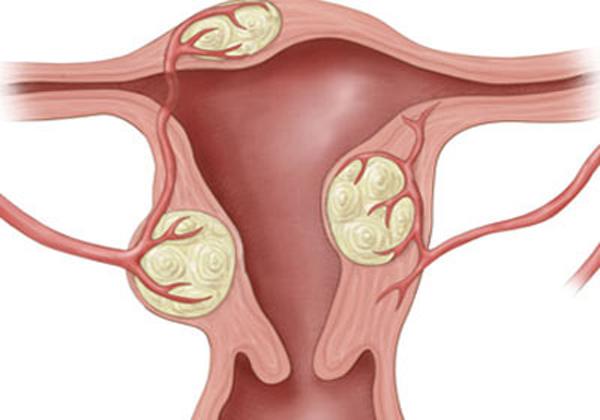
What Are Uterine Fibroids?
Uterine fibroids, also called leiomyomas or myomas, are noncancerous growths made of muscle and fibrous tissue that develop in or around the uterus.
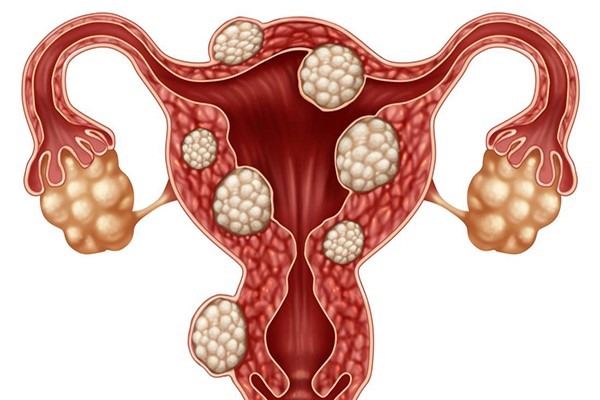
Fibroids can vary greatly in:
- Size
- Number
- Location
Some are:
- Tiny and barely noticeable
- Large enough to enlarge the uterus significantly
Fibroids may grow:
- Inside the uterine wall
- On the outer surface
- Inside the uterine cavity
The location often influences the type and severity of symptoms.
How Common Are Fibroids?
Fibroids are extremely common.
Many women develop fibroids at some point in life, especially during:
- Ages 30 to 50
Some women never realize they have them because symptoms may be mild or absent.
Hormones such as estrogen and progesterone are believed to influence fibroid growth.
Why Fibroids Cause Symptoms
Fibroids may affect the body through:
- Pressure on surrounding organs
- Changes in the uterine lining
- Increased menstrual bleeding
- Enlargement of the uterus
Symptoms depend on:
- Fibroid size
- Number of fibroids
- Growth location
Some women experience only mild discomfort, while others may develop significant symptoms.
1. Heavy Menstrual Bleeding
One of the most common symptoms of uterine fibroids is unusually heavy menstrual bleeding.
Women may notice:
- Long periods
- Soaking through pads or tampons quickly
- Passing blood clots
- Bleeding between periods
Heavy bleeding may eventually lead to iron-deficiency anemia.
Symptoms of anemia may include:
- Fatigue
- Weakness
- Dizziness
- Shortness of breath
Many women mistakenly assume heavy bleeding is simply “normal” for them.
2. Pelvic Pressure or Fullness
Large fibroids may create pressure inside the pelvis.
Women may experience:
- Pelvic heaviness
- Lower abdominal pressure
- Feeling bloated
- Fullness in the lower abdomen
Some women describe the sensation as similar to carrying extra weight in the pelvic region.
Pelvic pressure may worsen as fibroids grow larger.
3. Frequent Urination
Fibroids positioned near the bladder may increase pressure on the urinary system.
Possible symptoms include:
- Frequent urination
- Difficulty fully emptying the bladder
- Increased nighttime urination
- Urgent need to urinate
These symptoms are often mistaken for urinary tract problems.
4. Constipation and Digestive Pressure
Fibroids located toward the back of the uterus may press against the intestines or rectum.
This pressure may contribute to:
- Constipation
- Bloating
- Difficulty with bowel movements
- Abdominal discomfort
Digestive symptoms may become more noticeable as fibroids enlarge.
5. Pelvic Pain or Cramping
Some women experience:
- Pelvic pain
- Menstrual cramps
- Lower back pain
- Aching discomfort
Pain may vary from mild to severe depending on:
- Fibroid size
- Location
- Degeneration of fibroid tissue
Certain fibroids may occasionally outgrow their blood supply, causing sudden pain.
6. Enlarged Abdomen
Large fibroids may increase abdominal size.
Women may notice:
- A protruding lower abdomen
- Tight clothing
- Appearance similar to weight gain or pregnancy
In some cases, very large fibroids may significantly enlarge the uterus.
7. Pain During Intercourse
Depending on their location, fibroids may sometimes cause:
- Pain during sexual activity
- Pelvic discomfort
- Pressure sensations
This symptom may affect quality of life and emotional well-being.
8. Lower Back or Leg Pain
Large fibroids may occasionally press on nearby nerves.
Possible symptoms include:
- Lower back pain
- Leg discomfort
- Pressure sensations
- Radiating pain
Nerve-related symptoms are more common with larger fibroids.
Why Some Women Have No Symptoms
Many fibroids remain small and cause no problems.
In fact, some women only discover fibroids during:
- Pregnancy exams
- Routine ultrasounds
- Pelvic evaluations
Symptom severity does not always match fibroid size exactly.
Even smaller fibroids may cause significant bleeding depending on location.
Possible Risk Factors for Fibroids
Researchers do not fully understand why fibroids develop, but several factors may increase risk.
Possible risk factors include:
- Age
- Family history
- Hormonal influences
- Obesity
- Early menstruation
- Certain genetic factors
Fibroids appear more commonly during reproductive years.
How Fibroids Are Diagnosed
Doctors may diagnose fibroids through:
- Pelvic examination
- Ultrasound imaging
- MRI scans
- CT scans in some cases
Ultrasound is one of the most common diagnostic tools.
Treatment Depends on Symptoms
Not all fibroids require treatment.
Management depends on:
- Symptom severity
- Fibroid size
- Age
- Fertility goals
- Overall health
Some women only need monitoring, while others may require treatment.
Possible Treatment Options
Treatment may include:
- Medications
- Hormonal therapy
- Minimally invasive procedures
- Surgery
In some cases, doctors may recommend:
- Myomectomy (fibroid removal)
- Uterine artery embolization
- Hysterectomy
Treatment plans vary greatly between individuals.
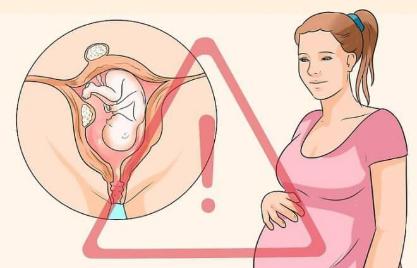
Can Fibroids Affect Fertility?
Some fibroids may interfere with:
- Implantation
- Pregnancy
- Fertility
However, many women with fibroids still become pregnant successfully.
The effect depends heavily on:
- Fibroid location
- Size
- Number
Women concerned about fertility should discuss options with healthcare professionals.
Fibroids and Menopause
Fibroids often shrink after menopause because hormone levels decline.
Many symptoms improve naturally during this stage.
However, persistent bleeding after menopause should always be medically evaluated.
Lifestyle and Overall Wellness
Although lifestyle changes cannot guarantee prevention, healthy habits may support overall reproductive health.
Helpful habits may include:
- Balanced nutrition
- Regular exercise
- Weight management
- Stress reduction
- Routine medical care
General wellness supports hormonal and cardiovascular health.
When to Seek Medical Attention
Medical evaluation may be important if symptoms include:
- Heavy bleeding
- Severe pelvic pain
- Rapid abdominal enlargement
- Frequent urination
- Ongoing fatigue
- Persistent pressure symptoms
Ignoring severe symptoms may affect quality of life and long-term health.
The Emotional Impact of Fibroid Symptoms
Fibroid symptoms may affect:
- Daily comfort
- Sleep
- Relationships
- Confidence
- Emotional well-being
Chronic pain and heavy bleeding may become physically and mentally exhausting for some women.
Support and proper medical care can make a significant difference.
Final Thoughts
Uterine fibroids are common noncancerous growths that may affect the body in many different ways, including heavy menstrual bleeding, pelvic pressure, urinary problems, digestive discomfort, back pain, and abdominal enlargement.
While many fibroids remain harmless and symptom-free, persistent or worsening symptoms should never be ignored.
Understanding the signs of fibroids may help women seek appropriate medical evaluation, improve quality of life, and make informed decisions about their reproductive and overall health.