Chapter 1: A Husband and Wife Receive the Same Frightening Diagnosis
Imagine a married couple who have shared almost every part of their daily lives for decades. They eat at the same table, shop at the same markets, prepare meals in the same kitchen, and often follow similar routines.
Then, within a relatively short period, both receive the same devastating news: liver cancer.
For their family, the coincidence raises an unsettling question.
Could something they have eaten regularly have contributed to their illness?
Could an ingredient stored in their refrigerator or a familiar food purchased from the local market have exposed them to something harmful?
These questions are understandable, particularly when two people living in the same household develop the same disease.
However, medicine requires careful investigation before drawing conclusions.
Liver cancer is not a contagious disease. A husband cannot catch liver cancer from his wife, and a wife cannot develop the disease simply by sharing meals with her husband.
Nevertheless, couples can share certain risk factors that increase their chances of developing liver disease.
These may include chronic hepatitis B or C infections, long-term alcohol consumption, metabolic conditions, and exposure to contaminated food.
One food-related substance deserves particular attention: aflatoxin.
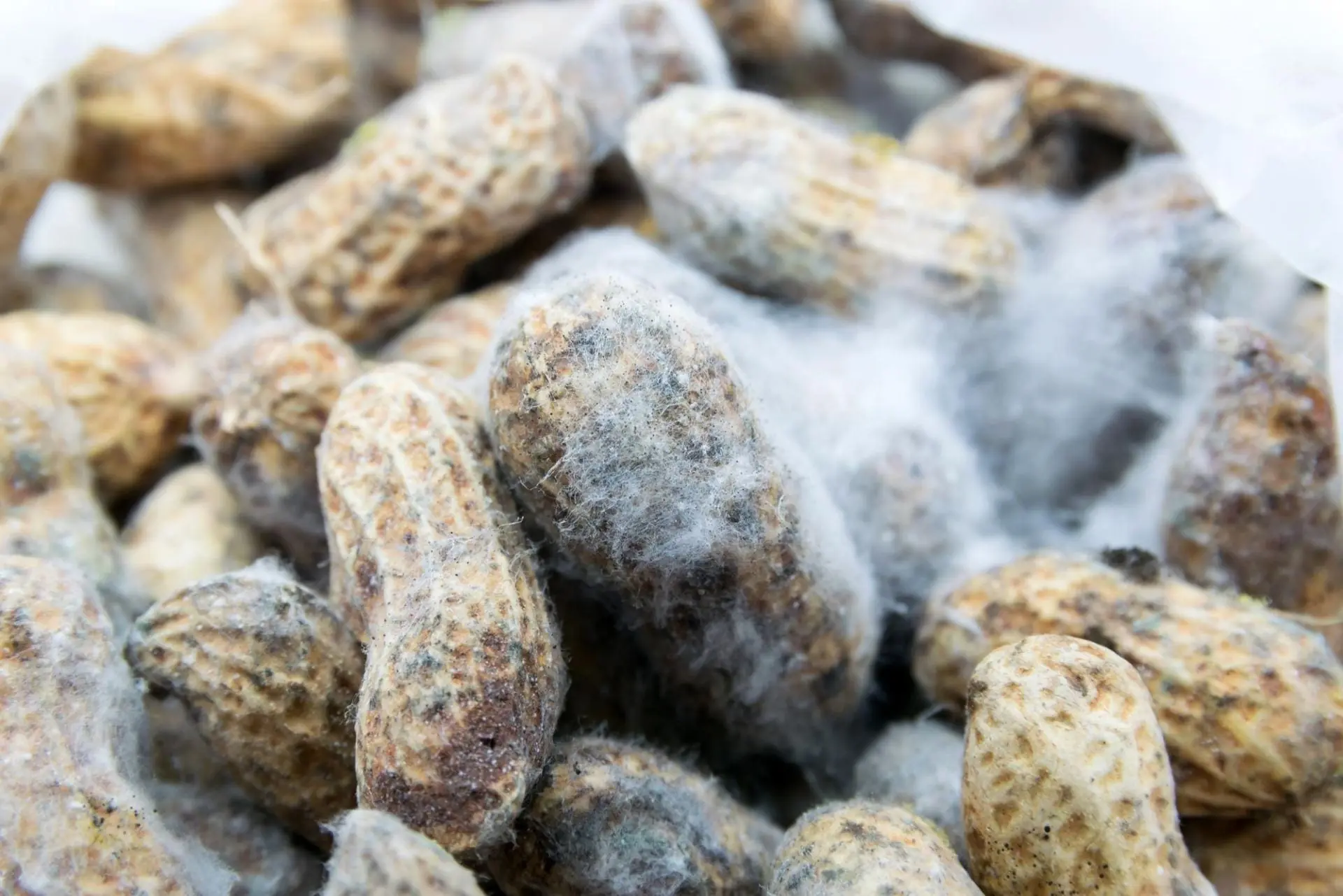
Aflatoxins are toxic compounds produced by certain molds, especially fungi belonging to the Aspergillus group.
These fungi can grow on agricultural products such as peanuts, corn, rice, and certain tree nuts when conditions are suitable.
The problem becomes particularly serious when crops are harvested, dried, or stored under warm and humid conditions.
Aflatoxin contamination is not always obvious.
Some contaminated food may show visible mold, discoloration, or damage. However, the presence or absence of visible mold does not reliably establish whether aflatoxins are present.
This is why food safety experts emphasize proper agricultural handling, drying, storage, and quality control.
The National Cancer Institute identifies aflatoxin B1 as a substance associated with an increased risk of liver cancer.
NCI+1
The relationship is particularly important in regions where people may regularly consume crops stored under unsuitable conditions.
For a family, the first practical step is to understand which foods can become contaminated and how to recognize signs of spoilage.
But there is another crucial issue.
When two spouses receive a liver cancer diagnosis, doctors should not automatically blame their refrigerator or a particular food.
They need to investigate both patients' medical histories, including possible hepatitis infections, liver disease, metabolic conditions, alcohol exposure, and other relevant factors.
Why can two people in the same household develop liver cancer?
There are several possible explanations.
First, spouses often share lifestyle habits.
If both regularly consume alcohol, have similar dietary patterns, or experience long-term metabolic health problems, they may share certain risk factors.
Second, they may have been exposed to the same environmental conditions for many years.
If their household regularly consumes improperly stored agricultural products contaminated with aflatoxins, both individuals could potentially experience exposure.
Third, hepatitis B deserves particular attention.
Chronic hepatitis B is an important cause of liver cancer worldwide.
The virus can spread through infected blood and certain body fluids, including through sexual contact.
Consequently, spouses may both be infected without knowing it.
This does not mean that one spouse necessarily infected the other. Both could have acquired the infection through different routes, including transmission from mother to child early in life.
Chronic hepatitis C is another important risk factor for liver cancer, although its transmission patterns differ from those of hepatitis B.
The American Cancer Society identifies chronic hepatitis B and C, cirrhosis, aflatoxin exposure, and several metabolic and lifestyle conditions as important liver cancer risk factors.
American Cancer Society+1
For this reason, when one spouse is diagnosed with liver cancer, the other may benefit from discussing hepatitis testing and liver health assessment with a healthcare professional.
The same is true when both spouses have unexplained liver abnormalities.
The key is to investigate the actual medical risks rather than assume that one household food caused everything.
A refrigerator may contain spoiled food that should be discarded, but a cancer diagnosis requires a much more thorough investigation.
And among the foods that deserve closer attention, improperly stored peanuts and grains are particularly important.
Chapter 2: The Hidden Danger in Peanuts, Corn, Rice, and Other Stored Foods
One of the most important food-related concerns associated with liver cancer is aflatoxin contamination.
Unlike ordinary food spoilage, this problem can be difficult for consumers to recognize.
Aflatoxins are produced by certain molds, particularly Aspergillus flavus and Aspergillus parasiticus.
These fungi can contaminate crops before harvest, during harvesting, and while agricultural products are being dried or stored.
Warm temperatures and high humidity create conditions that can encourage fungal growth.
Some foods are particularly susceptible.
1. Peanuts and peanut products
Peanuts are among the agricultural products commonly associated with aflatoxin contamination.
When peanuts are stored in damp conditions, certain molds may develop on their surfaces.
Contamination can affect raw peanuts, improperly stored roasted peanuts, and products made from contaminated raw materials.
This is particularly concerning when peanuts are purchased in large quantities and kept for extended periods without adequate protection from moisture.
Consumers should avoid peanuts that appear moldy, discolored, shriveled, or unusually damaged.
Peanut butter and other processed products are not automatically safe simply because they have undergone processing. Food safety depends on the quality of the original ingredients and appropriate manufacturing controls.
2. Corn and maize
Corn is another important crop associated with aflatoxin contamination.
The risk can develop during agricultural production, harvesting, drying, and storage.
If harvested corn is not dried adequately, moisture may encourage fungal growth.
Contamination can also affect cornmeal, corn flour, and other products made from affected crops.
In some regions, corn is a major part of the daily diet.
This means that contaminated supplies can become an important public health concern, particularly when people consume them repeatedly over long periods.