If You Drool While Sleeping Often, Check for These 6 Possible Health Conditions
Drooling during sleep is often seen as harmless or even humorous. Many people assume it happens simply because of a deep sleep or an awkward sleeping position. However, frequent or excessive drooling at night can sometimes be a sign that the body is trying to signal an underlying health issue.
While occasional drooling is normal, persistent drooling deserves attention — especially if it appears suddenly or worsens over time.
Here are six possible health conditions that may be linked to drooling while sleeping.
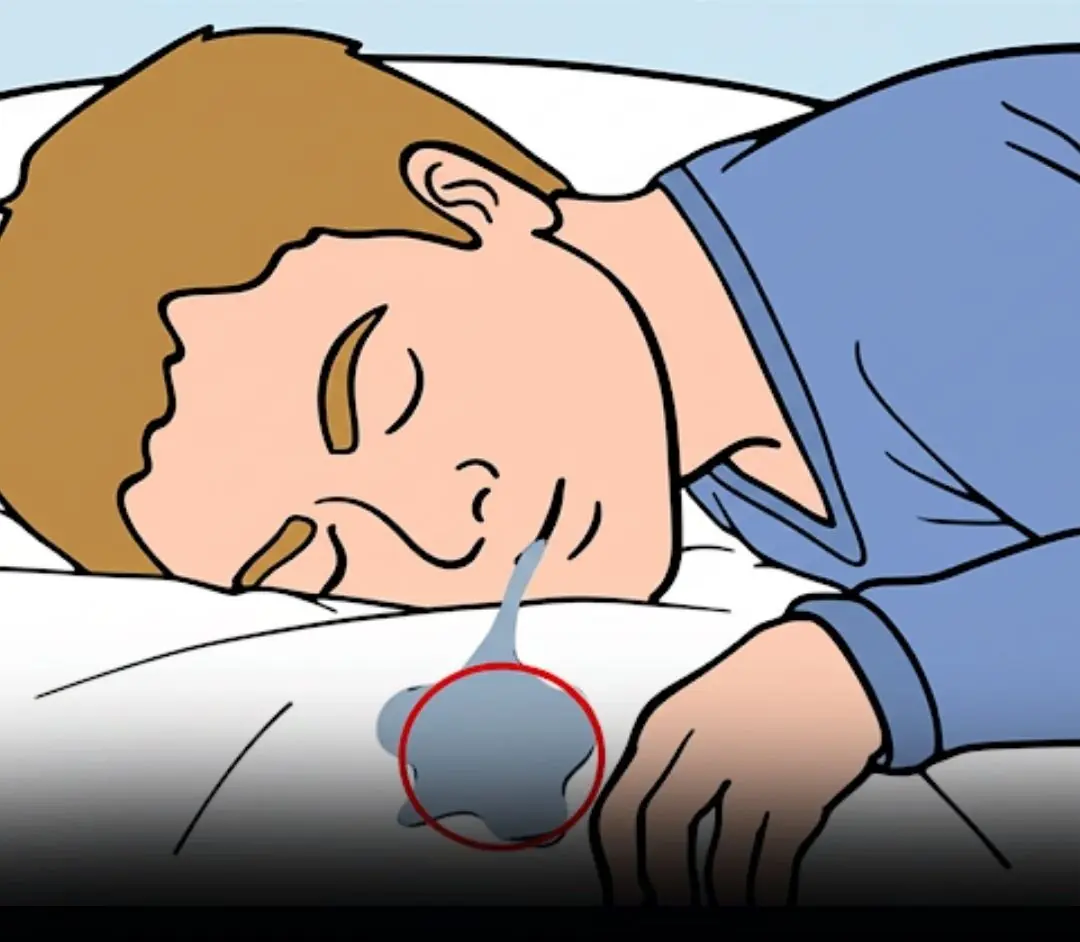
1. Mouth Breathing and Nasal Obstruction
One of the most common causes of nighttime drooling is chronic mouth breathing. When nasal passages are blocked, saliva is more likely to escape from the mouth during sleep.
Common reasons include:
-
Chronic nasal congestion
-
Deviated septum
-
Allergic rhinitis
-
Sinus infections
If breathing through the nose becomes difficult, the mouth opens during sleep, increasing the likelihood of drooling.
2. Gastroesophageal Reflux Disease (GERD)
GERD is a digestive condition in which stomach acid flows back into the esophagus. While it is best known for causing heartburn, GERD can also stimulate excessive saliva production, a reflex known as “water brash.”
During sleep, this may result in:
-
Increased saliva pooling
-
Drooling, especially when lying flat
-
Sore throat or sour taste in the morning
Ignoring GERD can lead to long-term damage to the esophagus.
3. Sleep Apnea
Sleep apnea is a serious sleep disorder characterized by repeated interruptions in breathing. People with sleep apnea often sleep with their mouths open, which can lead to drooling.
Warning signs that may accompany drooling include:
-
Loud snoring
-
Gasping or choking during sleep
-
Daytime fatigue
-
Morning headaches
Sleep apnea increases the risk of heart disease, stroke, and metabolic disorders, making early detection critical.
4. Oral and Dental Problems
Problems in the mouth can significantly affect saliva control. These may include:
-
Gum disease
-
Tooth infections
-
Ill-fitting dentures
-
Jaw alignment issues
Pain or discomfort may prevent proper mouth closure during sleep, allowing saliva to escape. Poor oral health can also stimulate excess saliva production as a defensive response.

5. Neurological Conditions
In some cases, drooling can be linked to neurological disorders that affect muscle control in the face and mouth.
Conditions that may cause this include:
-
Parkinson’s disease
-
Stroke-related nerve damage
-
Facial nerve dysfunction
These conditions can interfere with swallowing reflexes and saliva control. If drooling is accompanied by speech changes, muscle weakness, or facial asymmetry, medical evaluation is essential.
6. Side Effects of Medications
Certain medications can increase saliva production or reduce muscle tone during sleep. These include:
-
Sedatives and sleeping pills
-
Antipsychotic medications
-
Drugs used to treat nausea or anxiety
If drooling begins after starting a new medication, it may be a side effect worth discussing with a healthcare provider.
When Drooling Is Considered Normal
Not all drooling is a cause for concern. It can be normal if:
-
It occurs occasionally
-
It happens during very deep sleep
-
It improves with a change in sleeping position
Sleeping on the side or stomach makes drooling more likely, as gravity allows saliva to flow outward.
When You Should See a Doctor
Medical attention is recommended if drooling:
-
Happens frequently and persistently
-
Appears suddenly without a clear cause
-
Is accompanied by other symptoms such as snoring, pain, or neurological changes
Early evaluation can help identify treatable conditions before they worsen.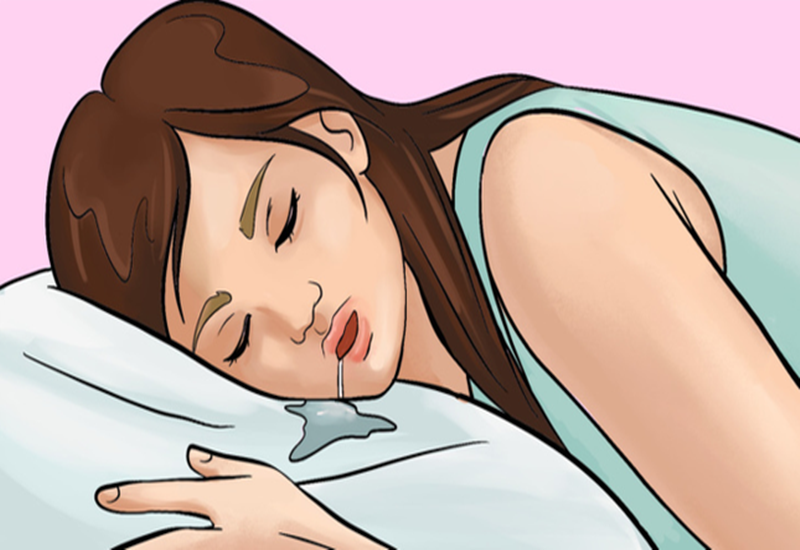
The Takeaway
Drooling while sleeping is often dismissed as a minor inconvenience, but repeated nighttime drooling may reflect deeper health issues involving breathing, digestion, oral health, or the nervous system.
Listening to these subtle signals allows the body’s warning signs to be addressed early — protecting not only sleep quality, but overall health.
Sometimes, what seems small at night can reveal something important during the day.