Drooling While Sleeping? Here Are 6 Possible Health Conditions You Should Check
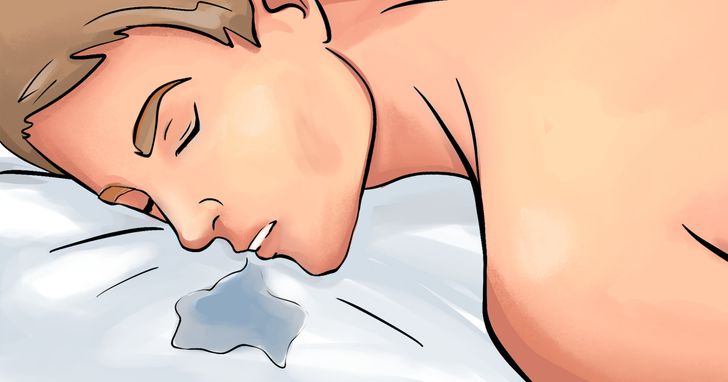
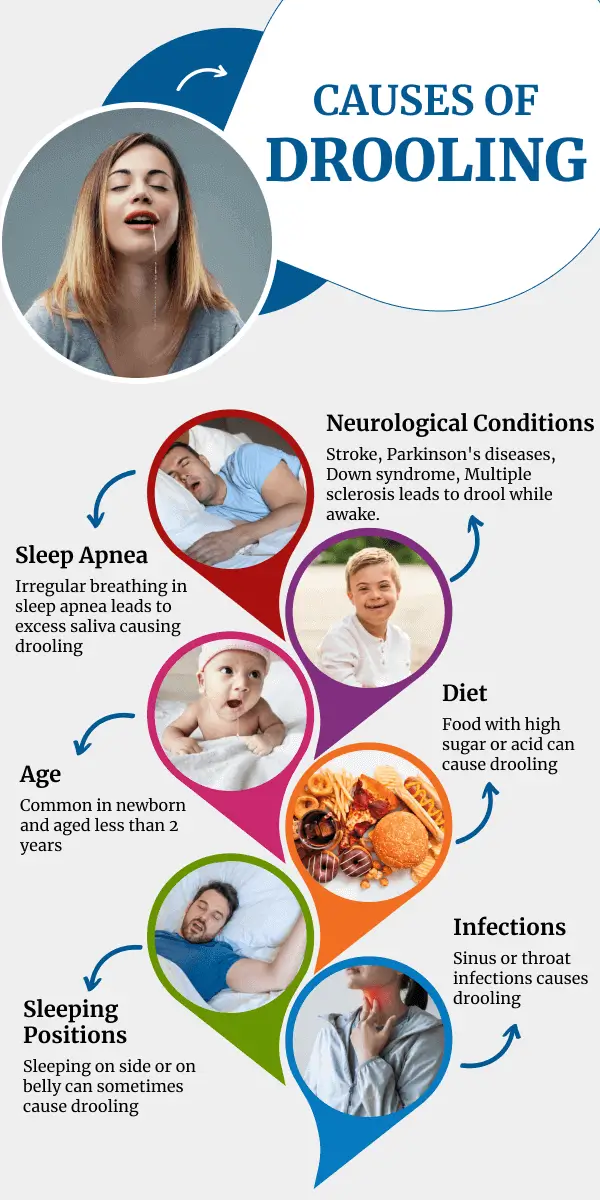
Waking up to a wet pillow now and then? Totally normal. But if you drool while sleeping frequently, your body might be trying to tell you something deeper.
Occasional drooling is harmless. But persistent or excessive drooling (also called sialorrhea) can be linked to underlying health issues—especially if it comes with other symptoms.
Let’s break down the 6 most common causes you should be aware of.
Why Do We Drool During Sleep?
 4
4
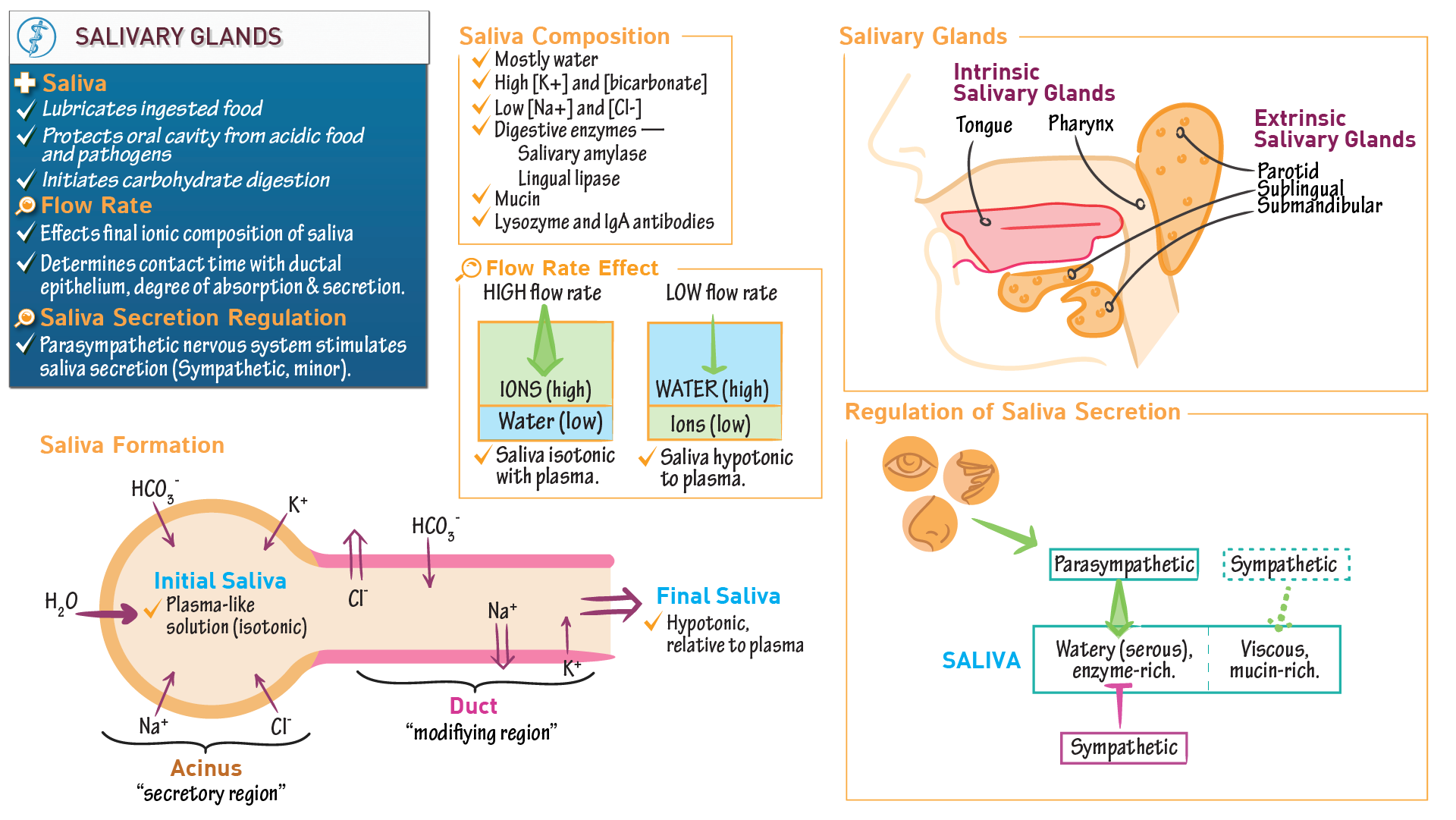
Drooling happens when:
- Your mouth stays open during sleep
- Swallowing reflex slows down
- Saliva builds up and leaks out
This can be influenced by sleep position, breathing patterns, or medical conditions.
1. Nasal Congestion or Sinus Issues
 4
4
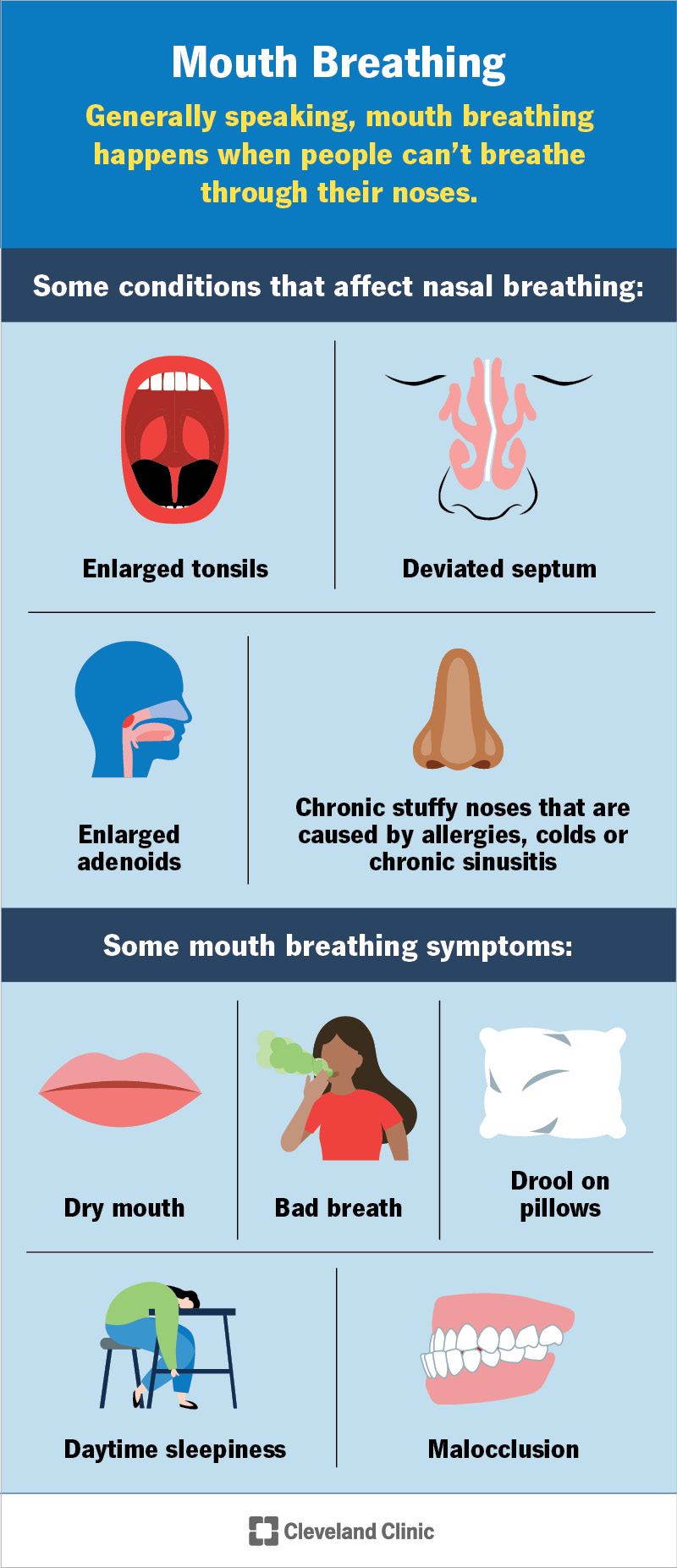
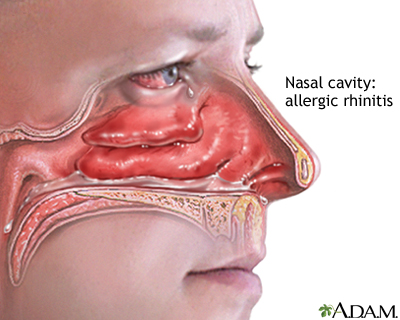
If your nose is blocked, your body switches to mouth breathing, which increases drooling.
Common causes:
- Allergies
- Cold or flu
- Sinus infections
2. Sleep Apnea (Serious Condition)

 4
4
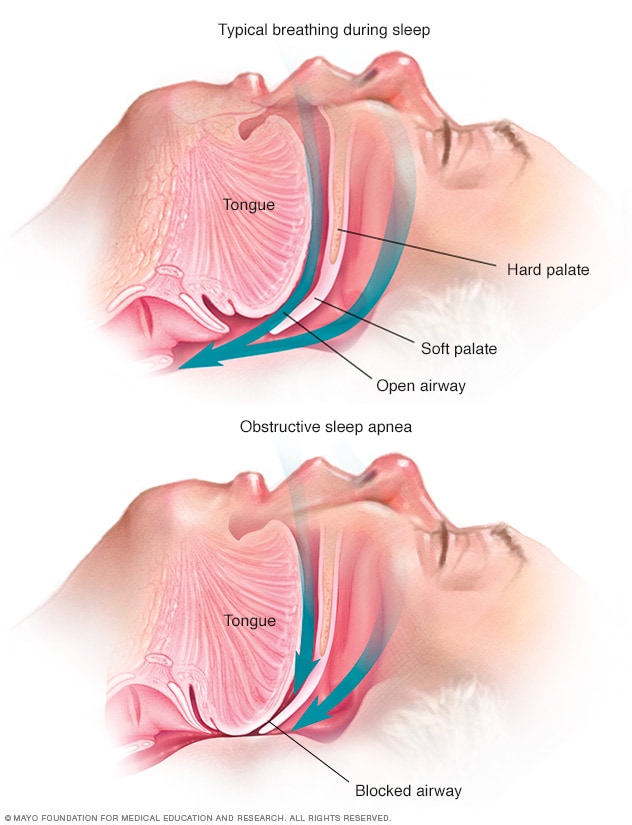
Sleep apnea is a condition where breathing repeatedly stops and starts during sleep.
Signs include:
- Loud snoring
- Gasping for air
- Daytime fatigue
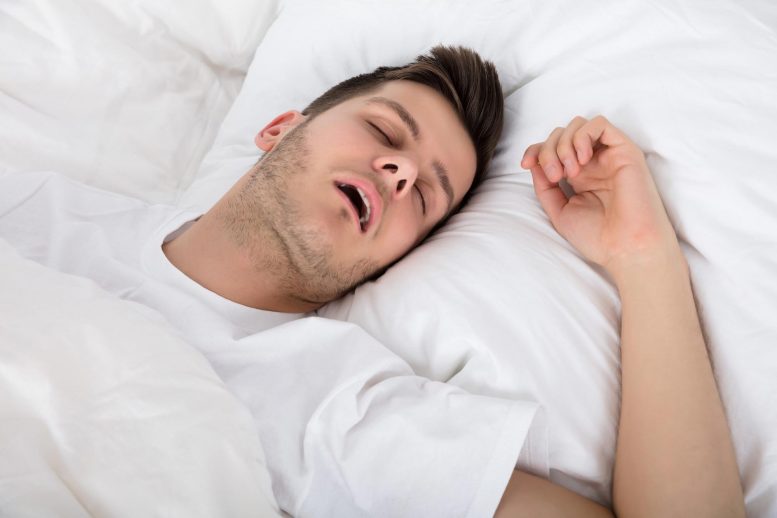
Drooling can happen because of open-mouth breathing and airway obstruction.
⚠️ This condition requires medical attention.
3. Gastroesophageal Reflux (GERD)
 4
4
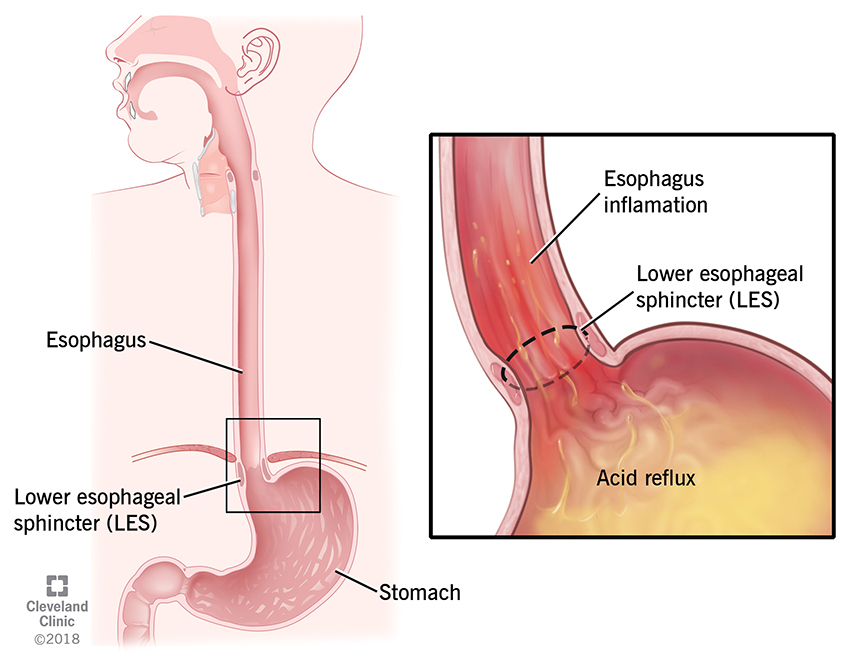
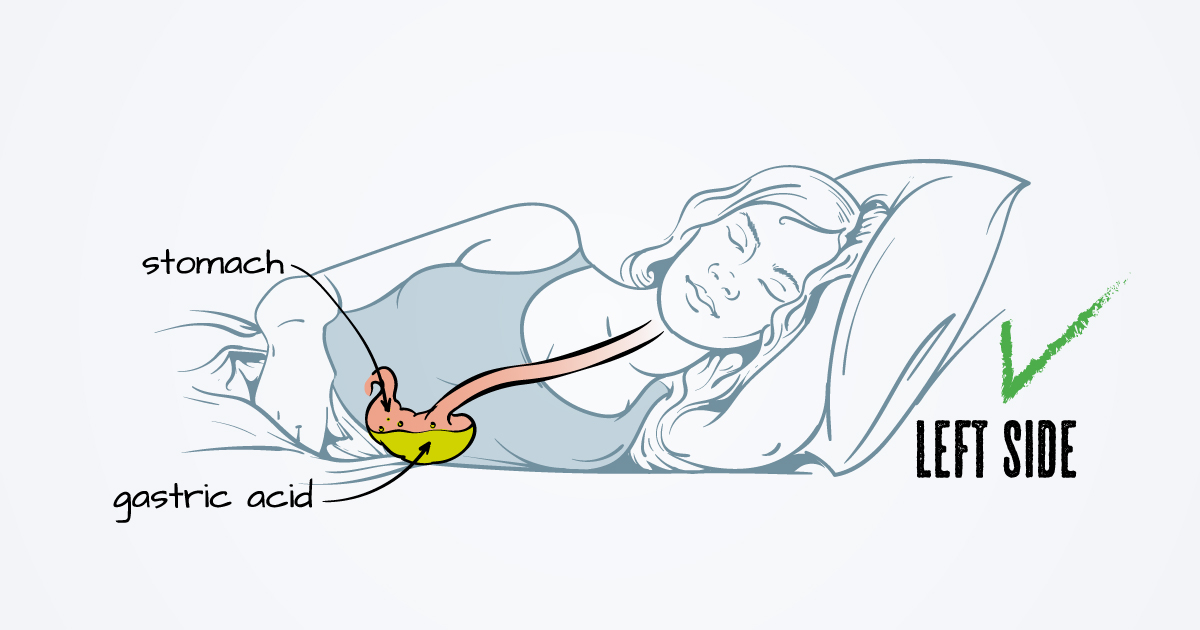
Acid reflux can stimulate excess saliva production, especially at night.
You may also notice:
- Burning sensation in chest
- Sour taste in mouth
- Frequent throat clearing
4. Neurological Conditions

 4
4
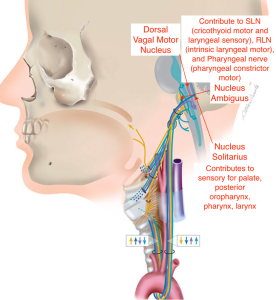
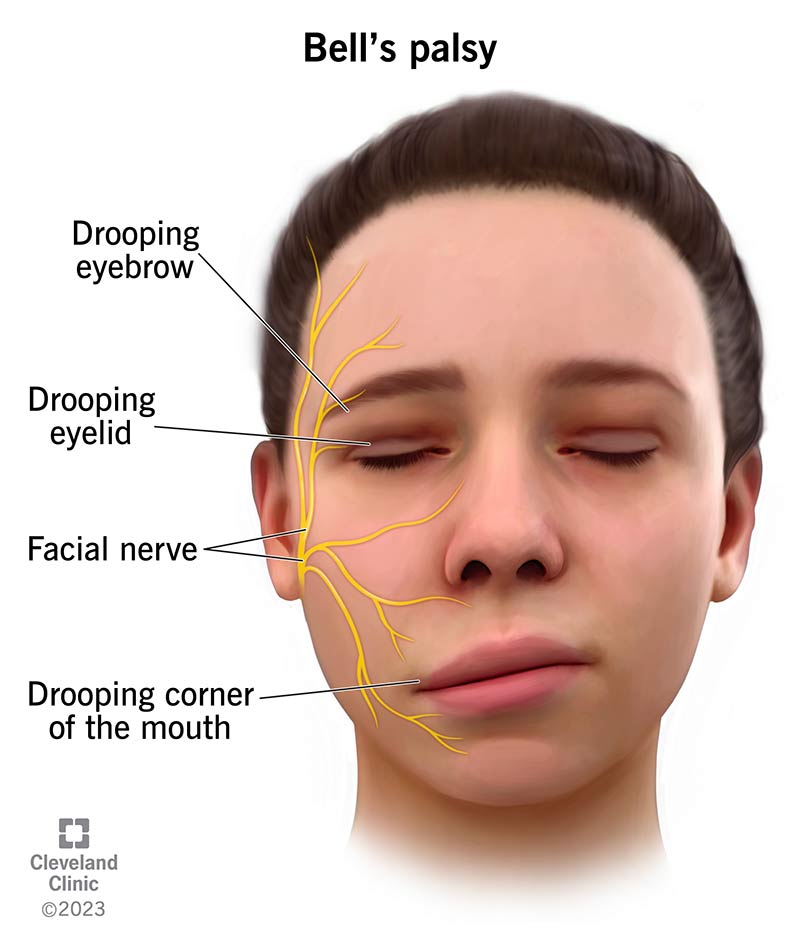
Conditions that affect muscle control can interfere with swallowing.
Examples include:
- Parkinson’s disease
- Stroke
- Nerve disorders
This leads to poor saliva control, even during sleep.
5. Medication Side Effects

 4
4
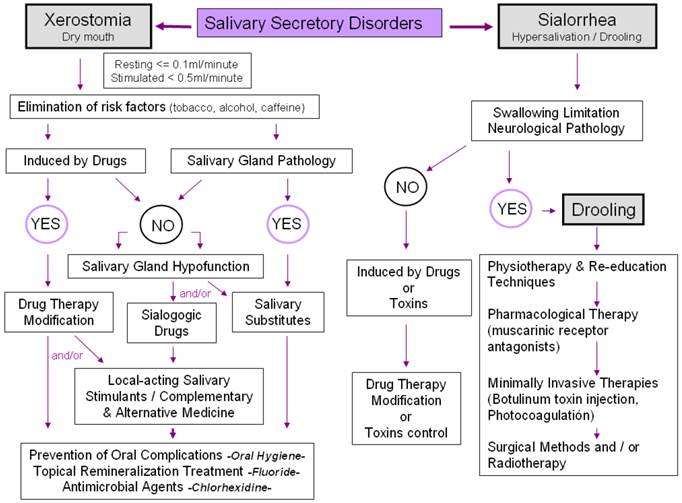
Some medications can increase saliva production or relax muscles, including:
- Sedatives
- Antipsychotics
- Certain antibiotics
If drooling started after new medication, this could be the reason.
6. Poor Sleep Position
 4
4
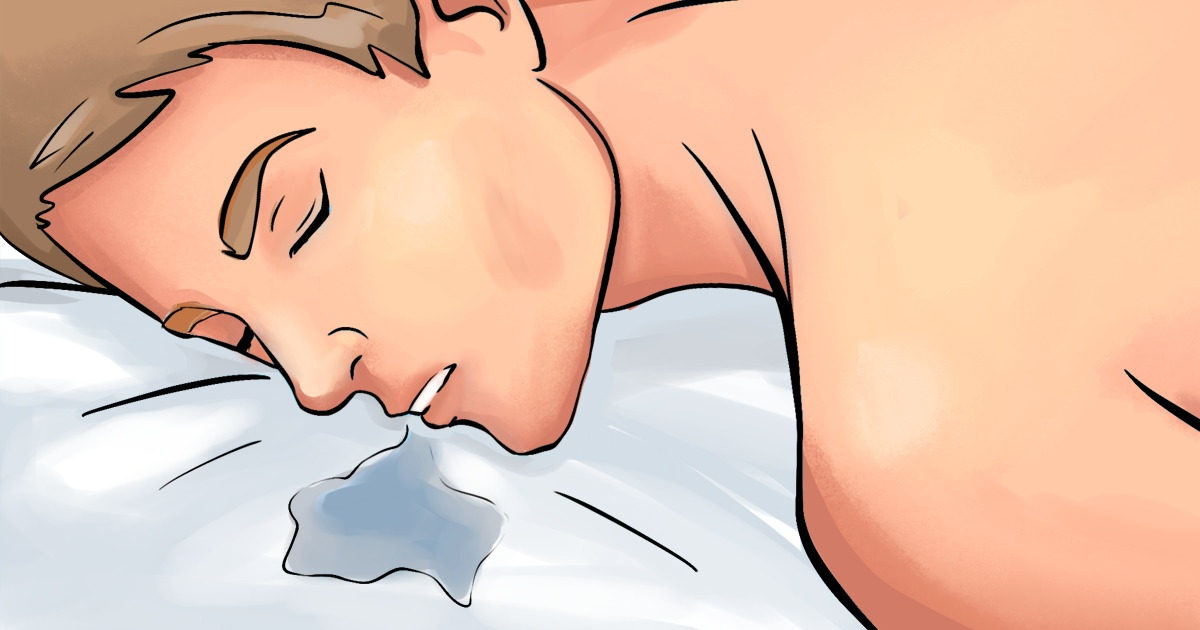
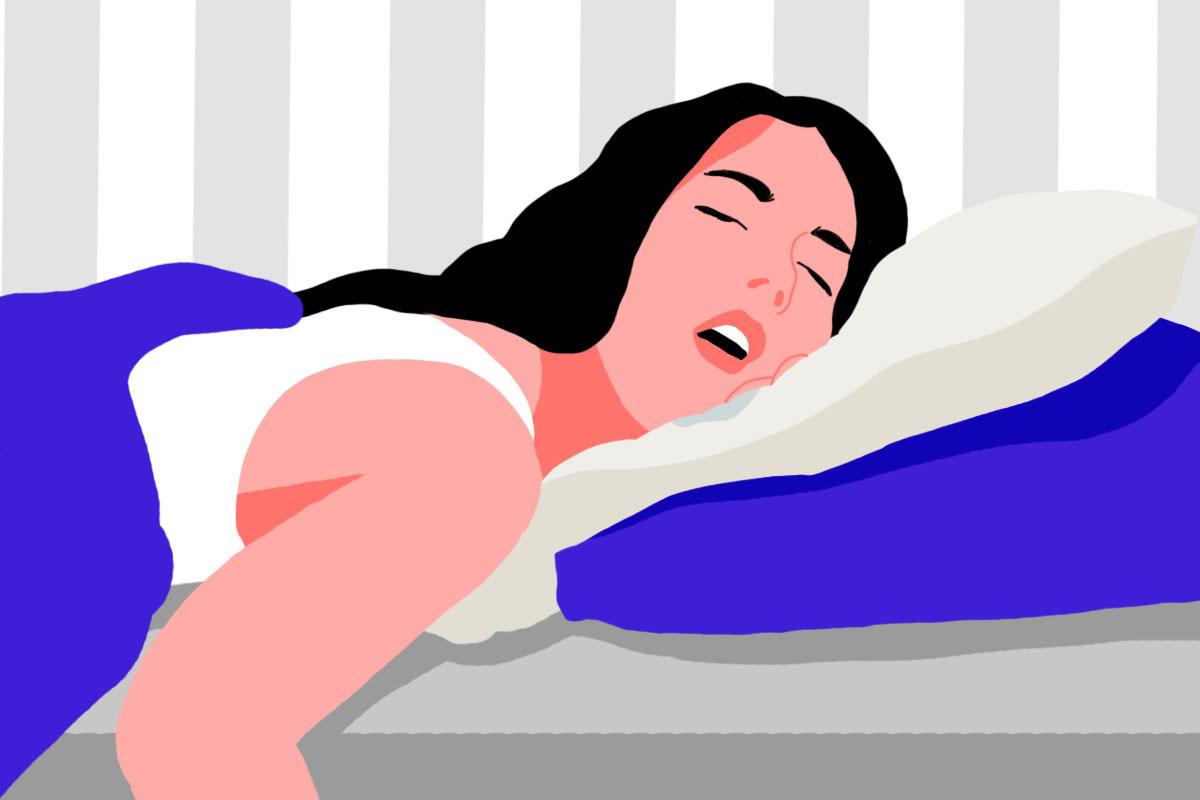
Sleeping on your side or stomach makes it easier for saliva to escape from your mouth.
This is the most harmless cause—but still noticeable if frequent.
When Should You Be Concerned?
You should pay attention if drooling:
- Happens every night
- Comes with snoring or breathing issues
- Is paired with difficulty swallowing
- Appears suddenly without explanation
How to Reduce Drooling While Sleeping
- Sleep on your back
- Treat nasal congestion
- Stay hydrated
- Adjust medications (if needed, with doctor guidance)
- Seek medical advice if symptoms persist
Final Thoughts
Drooling while sleeping isn’t always a big deal—but when it becomes frequent, it’s worth paying attention.
👉 Sometimes it’s just your sleeping position
👉 But other times, it’s your body signaling something deeper
Don’t ignore patterns. Your health often shows subtle signs before bigger problems appear.