If Your Hip Hurts, It May Be Your Body’s Way of Sending a Warning
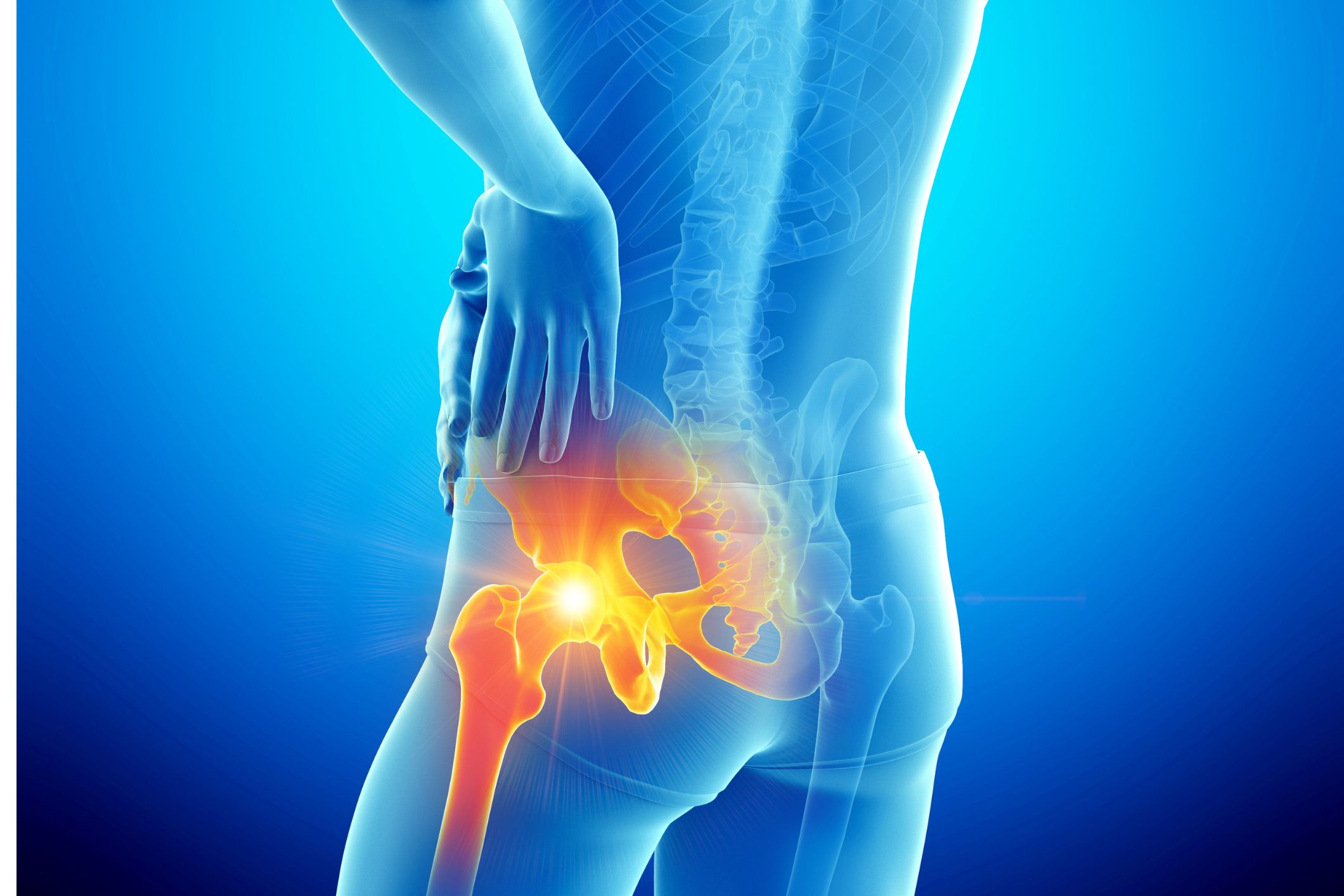
Hip pain is more than just a minor discomfort—it can be your body’s way of signaling that something isn’t right. While occasional soreness after exercise or standing for long periods is common, persistent or severe hip pain should never be ignored.
Common Causes of Hip Pain
- Osteoarthritis
The most common cause of chronic hip pain, osteoarthritis occurs when the protective cartilage in your hip joint wears down over time. This can lead to stiffness, reduced mobility, and aching pain, especially after activity. - Bursitis
Inflammation of the bursae, small fluid-filled sacs that cushion the hip joint, can cause sharp or burning pain on the outside of the hip. Bursitis often worsens with prolonged walking, climbing stairs, or lying on the affected side. - Hip Labral Tear
The labrum is cartilage that surrounds the hip socket. Tears can result from injury or repetitive movement, causing pain in the groin, stiffness, or a catching sensation in the hip. - Referred Pain from the Lower Back
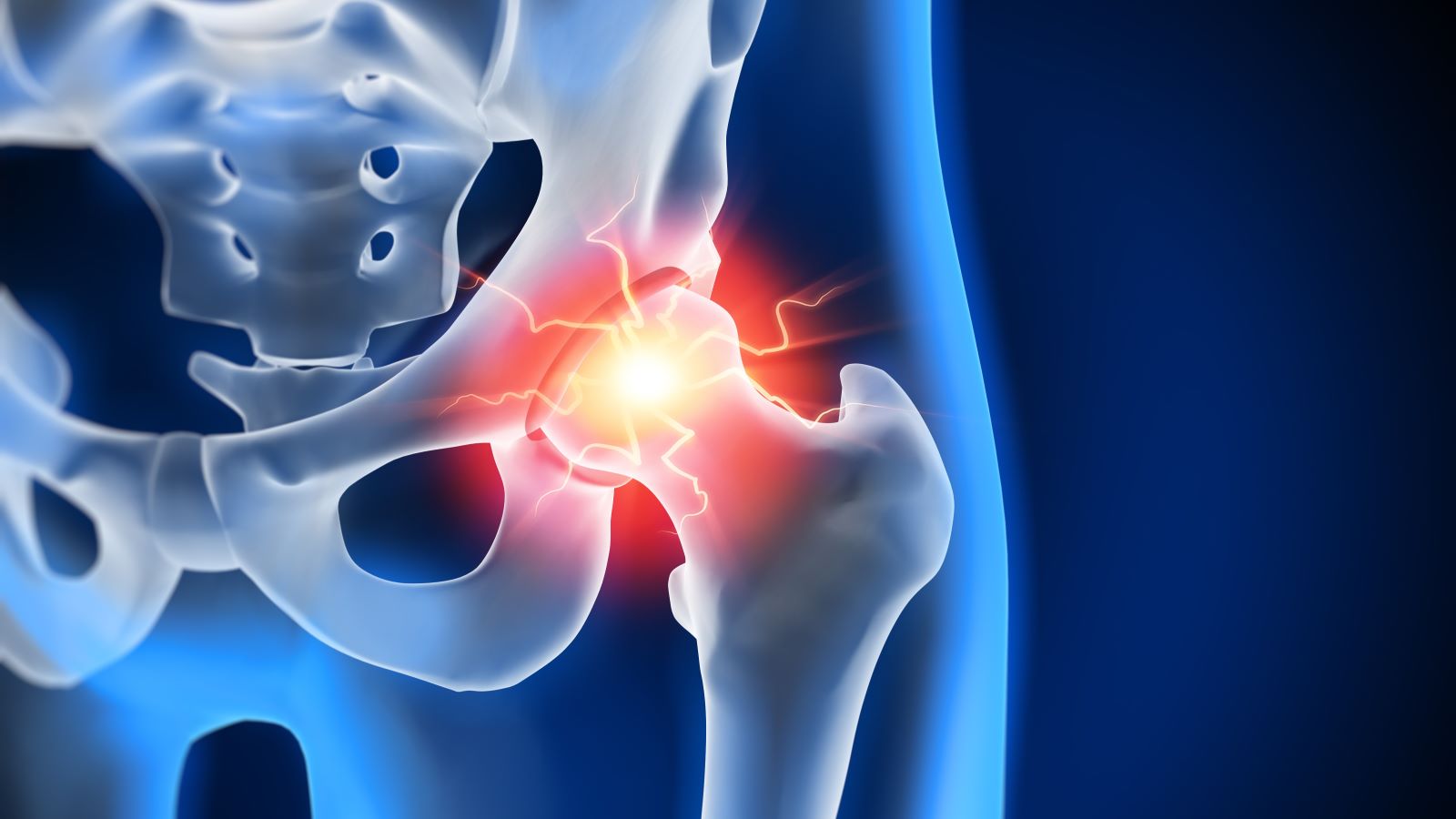
- Sometimes hip pain isn’t from the hip at all. Issues like herniated discs or sciatica can cause discomfort that radiates down to the hip or thigh.
- Other Serious Conditions
Persistent hip pain can occasionally indicate more serious conditions, such as infections, fractures, or even certain types of cancer. Rapid onset of pain, swelling, redness, or fever warrants immediate medical attention.
Signs You Should See a Doctor
- Pain that doesn’t improve with rest
- Difficulty walking or bearing weight
- Swelling, redness, or warmth around the joint
- Pain accompanied by fever, unexplained weight loss, or fatigue
Tips to Protect Your Hips
- Maintain a healthy weight to reduce joint stress
- Stay active with low-impact exercises like swimming or cycling
- Strengthen your core and hip muscles to support joint stability
- Use proper footwear and avoid prolonged standing when possible
Hip pain is your body’s way of telling you something may be wrong. Early evaluation by a medical professional can prevent complications, improve mobility, and ensure that any underlying condition is addressed promptly.