Most people experience itching from time to time. In many cases, it is caused by dry skin, allergies, insect bites, or mild irritation. However, persistent or unusual itching in certain parts of the body can sometimes be linked to more serious underlying health conditions. In rare cases, chronic itching may even serve as an early warning sign of internal diseases, including liver problems, diabetes, nerve disorders, or certain types of cancer.
Medical experts explain that itching occurs when nerve endings in the skin become stimulated. While many causes are harmless, itching that lasts for weeks, appears without a visible rash, or occurs repeatedly in the same area should never be ignored.
Below are 9 areas of the body where unexplained itching may indicate something more serious than simple skin irritation.
1. Scalp Itching
An itchy scalp is commonly associated with dandruff, hair products, or poor scalp hygiene. But when the itching becomes intense and persistent, it may point to deeper health issues.
Some studies suggest that chronic scalp itching can be linked to autoimmune disorders, infections, or even neurological conditions. In rare situations, lymphoma patients report severe scalp itching months before diagnosis.
Warning signs include:
- Constant itching despite changing shampoo
- Red patches or sores
- Hair loss
- Burning sensations
If symptoms continue for several weeks, a dermatologist should evaluate the condition.
2. Itching Around the Eyes
The skin around the eyes is extremely sensitive. Allergies, makeup, and lack of sleep often trigger irritation. However, itching around the eyes can also reflect internal inflammation or liver dysfunction.
Certain autoimmune diseases can cause dryness and inflammation around the eyes, leading to persistent discomfort. Additionally, yellowing of the skin combined with itching may suggest bile duct or liver problems.
Seek medical advice if eye itching is accompanied by:
- Swelling
- Vision changes
- Yellow skin
- Persistent dryness
3. Itchy Hands and Palms
Many people experience temporary itchy hands after using cleaning products or soaps. But itching focused on the palms can sometimes signal liver disease.
When bile salts build up in the bloodstream due to liver dysfunction, they may trigger severe itching, especially on the hands and feet. This symptom is common in conditions such as cholestasis.
Other possible symptoms include:
- Dark urine
- Fatigue
- Nausea
- Yellowish skin
Doctors often recommend blood tests to evaluate liver function if palm itching becomes severe or unexplained.
4. Chest Itching
Occasional chest itching is usually harmless, especially during seasonal weather changes. However, persistent itching in the chest area may be associated with inflammatory disorders or, in rare cases, certain cancers.
Some patients with Hodgkin lymphoma report generalized itching before diagnosis. The itching may become intense at night and may not respond to normal creams or antihistamines.
Additional warning signs include:
- Night sweats
- Unexplained weight loss
- Swollen lymph nodes
- Constant fatigue
Although itching alone does not confirm cancer, combining symptoms should not be ignored.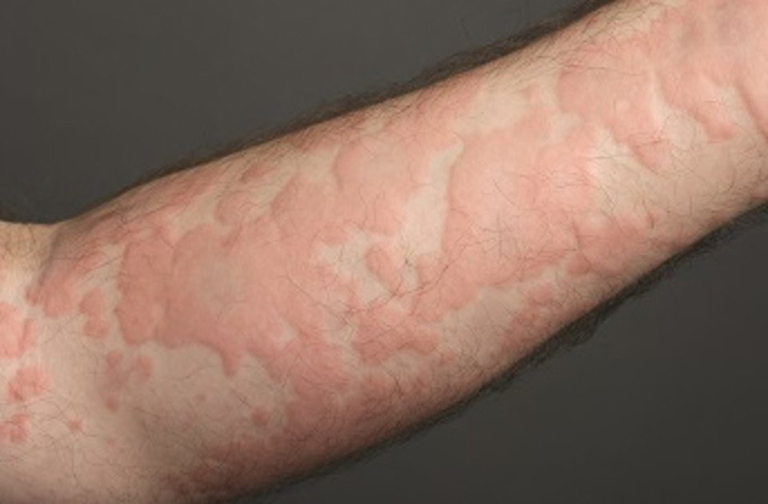
5. Underarm Itching
The underarm area contains many sweat glands and lymph nodes. Deodorants, shaving, and sweat commonly irritate the skin. However, persistent itching or changes in the underarm area may sometimes indicate infection or lymphatic issues.
Pay attention if itching appears alongside:
- Lumps
- Swelling
- Skin discoloration
- Pain
Doctors may recommend imaging or skin examinations if abnormalities persist.
6. Abdominal Itching
Itching around the abdomen can result from stretching skin, allergies, or fabric irritation. Yet chronic abdominal itching may also be connected to kidney disease or diabetes.
Patients with kidney dysfunction sometimes experience toxin buildup in the bloodstream, which can cause severe itching throughout the body, particularly around the torso.
Diabetes-related nerve damage may also contribute to itching sensations without obvious skin changes.
Symptoms that deserve attention include:
- Frequent urination
- Excessive thirst
- Swelling
- Persistent fatigue
7. Itchy Feet — The Most Common Area
Itching in the feet is one of the most commonly reported forms of chronic itching. While athlete’s foot and fungal infections are frequent causes, persistent foot itching can also be linked to circulation problems, diabetes, nerve damage, or liver disease.
Some individuals experience burning, tingling, or deep itching in the soles of their feet without any visible rash. This may indicate peripheral neuropathy, a condition often associated with diabetes.
Liver disorders may also cause intense itching in the feet due to the accumulation of bile substances in the bloodstream.
Signs that foot itching may be serious include:
- Tingling or numbness
- Skin thickening
- Burning pain
- Symptoms worsening at night
Ignoring these signs may delay diagnosis of an underlying condition.
8. Groin Itching
Groin itching is frequently caused by sweat, tight clothing, or fungal infections. However, long-lasting itching in this area can occasionally signal immune system problems or skin disorders.
Persistent itching that does not improve with treatment may require evaluation for conditions such as eczema, psoriasis, or even certain infections.
Seek medical care if you notice:
- Open sores
- Skin thickening
- Bleeding
- Persistent redness
9. Full-Body Itching Without Rash
Perhaps the most concerning symptom is widespread itching without any visible rash. Doctors consider this one of the key signs that an internal issue may be involved.
Generalized itching may occur in people with:
- Liver disease
- Kidney disease
- Thyroid disorders
- Blood cancers
- Diabetes
In some cases, the itching becomes worse after bathing or during nighttime hours.
Because the symptom is so broad, doctors often perform blood tests, imaging scans, and physical examinations to determine the root cause.
Why Serious Diseases Can Cause Itching
Many internal diseases affect the nervous system, immune system, or blood chemistry. These changes can stimulate nerve endings in the skin even when no rash is present.
For example:
- Liver disease may cause bile salts to accumulate
- Kidney disease may lead to toxin buildup
- Diabetes may damage nerves
- Certain cancers may trigger inflammatory immune responses
This explains why some people experience severe itching long before receiving an official diagnosis.
When Should You See a Doctor?
Most itching is harmless and temporary. However, experts recommend medical evaluation if itching:
- Lasts more than two weeks
- Interferes with sleep
- Appears without a rash
- Spreads across the body
- Occurs with fatigue, weight loss, or fever
Doctors may perform:
- Blood tests
- Allergy tests
- Liver and kidney evaluations
- Skin biopsies
- Imaging scans
Early detection can make a major difference in treating underlying conditions.
Final Thoughts
Itching is often dismissed as a minor annoyance, but the body sometimes uses subtle symptoms to warn us that something deeper may be happening. Persistent itching in certain body areas - especially the feet, hands, chest, or throughout the body - should never be ignored if it continues for an extended period or appears alongside other unusual symptoms.
While these symptoms do not automatically mean cancer or serious illness, listening to the body and seeking medical advice when necessary can help detect problems earlier and improve health outcomes.