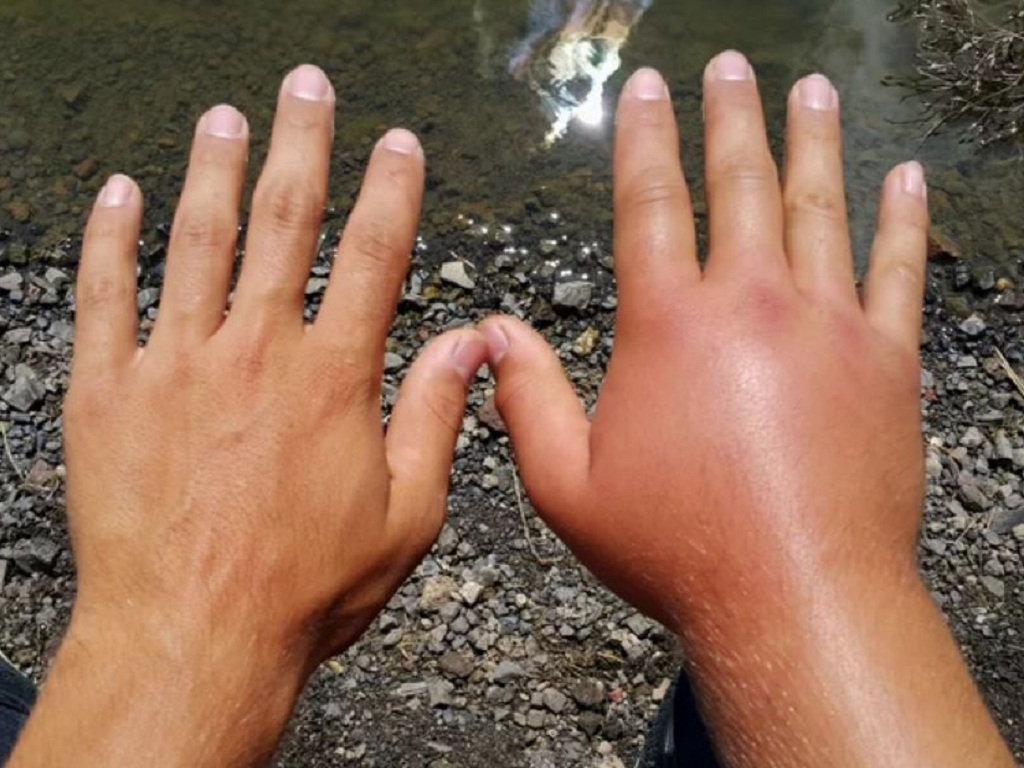
Pain, tenderness, and swelling in the fingers or hands are symptoms many people experience at some point. While they can result from minor injuries or temporary strain, persistent or recurring discomfort may be your body’s way of signaling a deeper issue. Because the hands contain a complex network of joints, tendons, nerves, and blood vessels, even small disruptions can lead to noticeable symptoms.
Understanding the possible causes can help you recognize when it’s something harmless and when it may require medical attention.

1. Inflammatory Conditions (Arthritis)
One of the most common causes of hand pain and swelling is arthritis, particularly:
- Osteoarthritis: Wear-and-tear damage to joints over time
- Rheumatoid arthritis: An autoimmune condition where the immune system attacks joint tissues
Typical signs:
- Joint stiffness, especially in the morning
- Swelling around knuckles
- Reduced range of motion
In rheumatoid arthritis, the swelling is often symmetrical—affecting both hands in similar ways.
2. Tendonitis and Overuse Injuries
Repetitive movements—such as typing, using a phone, or manual labor—can strain the tendons in your hands.
What happens:
- Tendons become inflamed
- Movement causes pain and tenderness
Common symptoms:
- Localized swelling
- Pain when gripping or moving fingers
- Warmth around the affected area
3. Carpal Tunnel Syndrome
This condition occurs when the median nerve is compressed as it passes through the wrist.
Signs to watch for:
- Tingling or numbness in fingers (especially thumb, index, and middle fingers)
- Weak grip strength
- Pain that may extend from the wrist into the hand
Swelling may accompany the discomfort, especially after prolonged use of the hands.
4. Gout
Gout is a type of inflammatory arthritis caused by a buildup of uric acid crystals in joints.
In the hand or fingers, it may cause:
- Sudden, intense pain
- Redness and swelling
- Warm, tender joints
Although gout more commonly affects the big toe, it can also occur in the fingers.
5. Infections
Bacterial or viral infections can lead to swelling and pain in the fingers or hands.
Warning signs include:
- Redness and warmth
- Pus or discharge
- Fever
Infections require prompt medical treatment to prevent complications.
6. Fluid Retention (Edema)
Sometimes swelling is not due to injury or inflammation but rather fluid buildup.
Possible causes:
- Hormonal changes
- High salt intake
- Kidney or heart issues
This type of swelling often affects both hands and may come with a feeling of tightness.
7. Autoimmune or Systemic Conditions
Certain systemic diseases can manifest symptoms in the hands.
Examples include:
- Lupus
- Psoriasis (leading to psoriatic arthritis)
- Scleroderma
These conditions may cause joint pain, swelling, skin changes, or stiffness.

When Should You Be Concerned?
Occasional mild discomfort may not be serious, but you should seek medical advice if:
- Symptoms persist for more than a few days
- Pain worsens or limits daily activities
- Swelling is severe or accompanied by redness and heat
- You experience numbness, tingling, or weakness
Early diagnosis can prevent long-term damage and improve treatment outcomes.
How to Manage Mild Symptoms
If the cause is minor, some simple steps may help relieve discomfort:
- Rest the affected hand
- Apply cold compresses to reduce swelling
- Elevate your hand when possible
- Avoid repetitive strain
However, these are only temporary measures - not substitutes for medical evaluation if symptoms continue.
The Bottom Line
Pain, tenderness, and swelling in your fingers or hand are not symptoms to ignore - especially if they persist or worsen over time. While they may result from minor strain, they can also indicate underlying conditions ranging from arthritis to nerve compression or systemic disease.
Listening to your body and seeking timely medical care can help identify the cause early and prevent more serious complications. When it comes to your health, even small warning signs deserve attention.