People With Weak Hearts Often Experience These 5 “Strange” Feelings at Night — Don’t Ignore Them
Heart disease does not always announce itself with dramatic chest pain during the day. In many cases, the heart sends subtle warning signals at night, when the body is at rest and symptoms become more noticeable.
Doctors warn that people with weak hearts or underlying heart disease often experience unusual sensations during sleep — sensations that are frequently dismissed as stress, anxiety, or poor sleep quality. Unfortunately, ignoring these signs can delay diagnosis and increase the risk of serious cardiac events.
Here are five “strange” feelings that often appear at night and may signal heart weakness.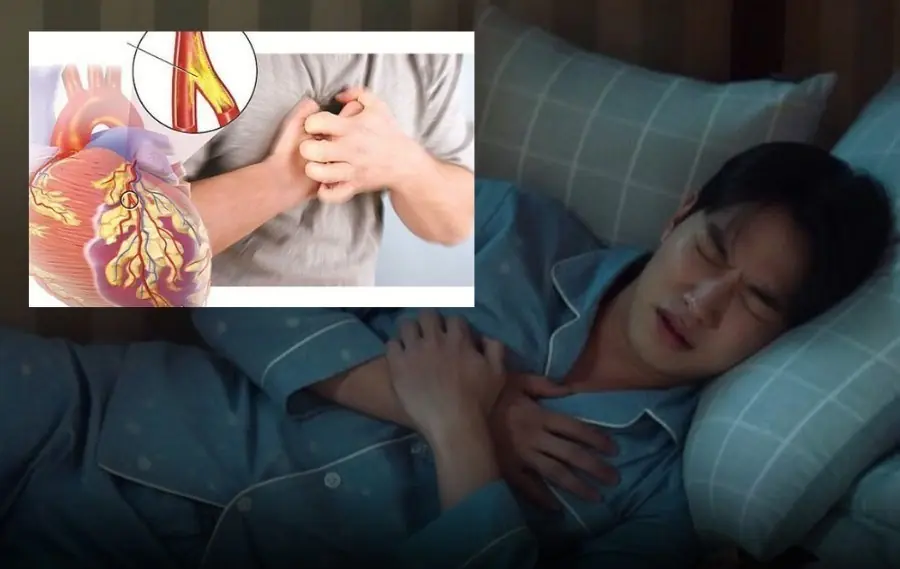
1. Sudden Chest Tightness or Pressure When Lying Down
Many heart patients report a feeling of tightness, heaviness, or pressure in the chest that becomes noticeable only when lying in bed.
This sensation may:
-
Feel like something is pressing on the chest
-
Appear suddenly during sleep
-
Improve slightly when sitting upright
At night, blood redistributes in the body. If the heart struggles to pump efficiently, this can increase pressure in the chest and lungs, triggering discomfort.
2. Shortness of Breath During Sleep
Waking up gasping for air or feeling unable to breathe deeply while lying flat is a classic warning sign of heart problems.
This symptom may include:
-
Needing extra pillows to sleep comfortably
-
Sudden breathlessness during the night
-
Feeling better when sitting or standing
This occurs because a weak heart cannot handle increased blood volume returning from the legs when lying down, causing fluid buildup in the lungs.
3. Heart Palpitations or Irregular Heartbeats
At night, when external distractions fade, abnormal heart rhythms become more noticeable.
People may feel:
-
Fluttering or pounding in the chest
-
Skipped or irregular heartbeats
-
A racing heart without physical activity
These palpitations can be signs of arrhythmias, which are common in people with heart disease and can increase the risk of stroke or heart failure if untreated.
4. Night Sweats or Cold, Clammy Skin
Unexplained sweating during sleep — especially when the room is not hot — can be a sign of heart stress.
Night sweats related to heart problems may:
-
Occur suddenly
-
Be accompanied by chest discomfort or breathlessness
-
Leave the body feeling cold and damp
This response can be triggered by the nervous system reacting to inadequate blood flow or oxygen delivery.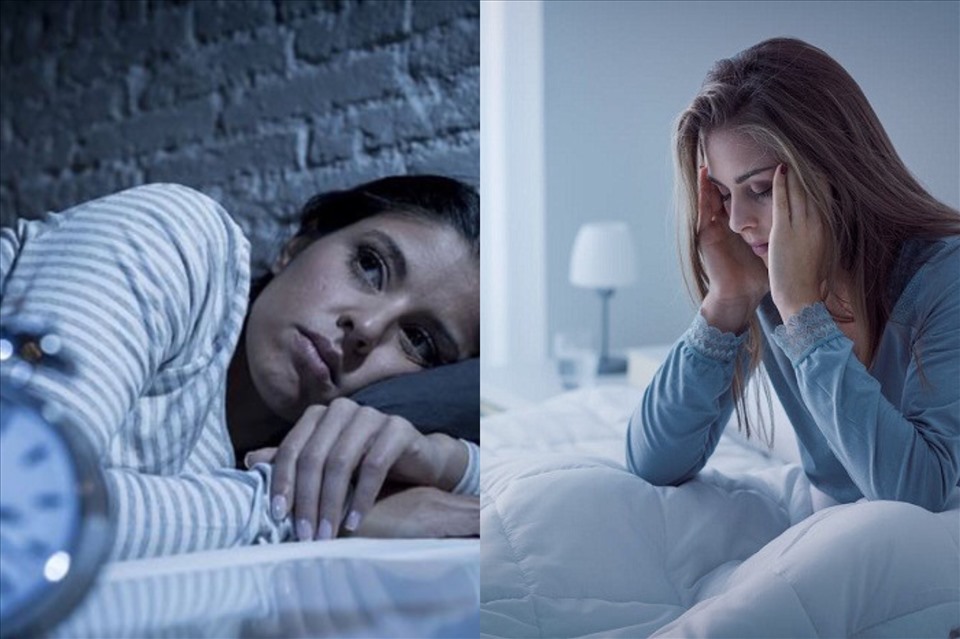
5. Unusual Anxiety, Restlessness, or a Sense of Impending Doom
One of the most overlooked symptoms is sudden anxiety at night with no clear cause.
People may experience:
-
A feeling of unease or panic
-
Difficulty falling or staying asleep
-
A sense that “something isn’t right”
This symptom is not purely psychological. Reduced oxygen levels or abnormal heart rhythms can stimulate stress responses in the brain, creating intense anxiety.
Why These Symptoms Appear at Night
Nighttime places unique demands on the heart:
-
Body position changes blood flow
-
Breathing patterns slow
-
The nervous system shifts toward rest
For a healthy heart, these changes are manageable. For a weakened heart, they can expose hidden problems that remain unnoticed during the day.
Why People Often Ignore These Signs
Many individuals dismiss nighttime symptoms as:
-
Stress or anxiety
-
Bad dreams or insomnia
-
Acid reflux or muscle pain
Because the symptoms may come and go, people delay seeking medical attention — sometimes until a heart attack or heart failure episode occurs.
When You Should See a Doctor Immediately
Medical evaluation is essential if:
-
Symptoms occur repeatedly at night
-
Chest discomfort or breathlessness wakes you from sleep
-
Palpitations are frequent or worsening
-
You have risk factors such as high blood pressure, diabetes, smoking, or a family history of heart disease
Early testing may include ECGs, echocardiograms, blood tests, and sleep assessments.
The Importance of Early Detection
Heart disease is often manageable when detected early. Medications, lifestyle changes, and medical monitoring can significantly reduce risks and improve quality of life.
Ignoring warning signs allows damage to progress silently — increasing the chance of heart attack, stroke, or sudden cardiac events.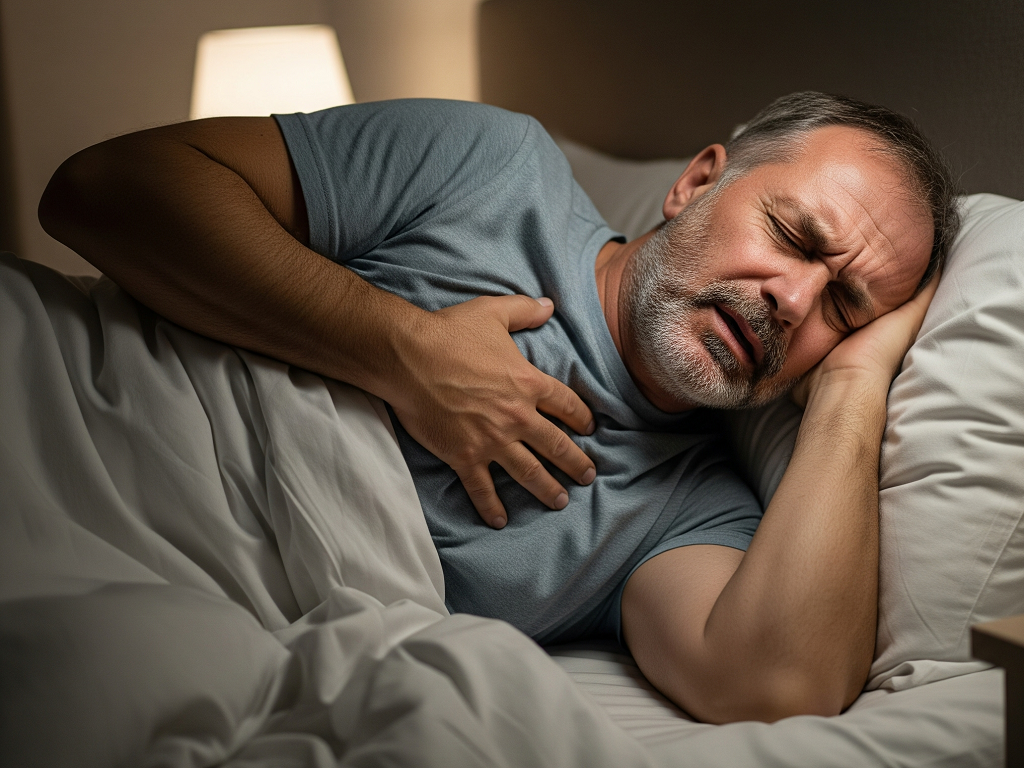
The Takeaway
Your heart does not stop communicating at night. Chest pressure, breathlessness, palpitations, sweating, and unexplained anxiety during sleep may be early cries for help from a weakened heart.
Listening early can save lives.
If your body keeps waking you up at night, it may be time to wake up to what your heart is trying to tell you.