It is one of the most popular houseplants in the world and for good reason.
Snake plants are attractive, remarkably easy to care for, tolerant of relatively low light, and capable of surviving periods of neglect that would quickly damage many other indoor plants.
But there's another reason snake plants have become famous: their reputation as a natural air-purifying plant.
You may have heard that keeping one in your bedroom can "clean the air," release oxygen at night, remove toxins, and even improve sleep.
Some of these claims have a scientific basis, while others have been exaggerated online.
So what does a snake plant actually do, and why is this particular plant worth having in your home?
Let's take a closer look.
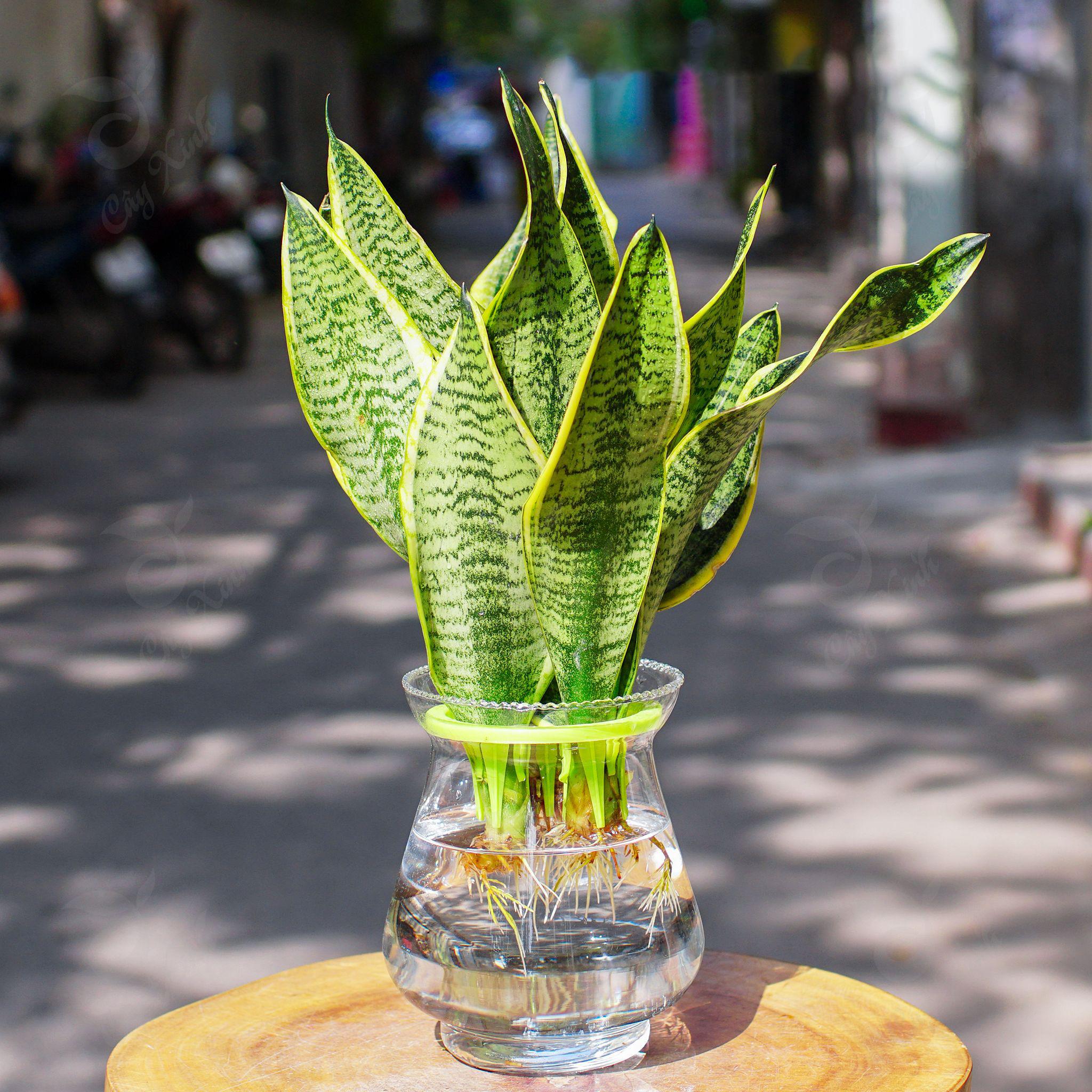
1. The Plant in the Image Is a Snake Plant
The plant shown in the image has the classic appearance of a snake plant.
It features:
-
Tall, sword-shaped leaves
-
Dark green coloration
-
Light green horizontal patterns
-
Yellow margins
-
An upright growth habit
-
Thick, relatively rigid leaves
The yellow-edged variety shown here is commonly sold as 'Laurentii'.
Snake plants have historically been grouped under the genus Sansevieria, but modern botanical classification places many of them under Dracaena.
Despite the scientific name change, most garden centers and plant lovers still commonly call them snake plants or Sansevierias.
2. Why Snake Plants Are So Popular
One of the biggest advantages of the snake plant is its toughness.
You don't need to be an expert gardener to keep one alive.
Unlike delicate tropical plants that can struggle when watering or lighting isn't perfect, snake plants are relatively forgiving.
They can tolerate:
-
Low-light conditions
-
Periods without watering
-
Dry indoor environments
-
Temperature fluctuations within a reasonable range
-
Occasional neglect
This makes them particularly attractive to:
-
Beginners
-
Busy people
-
Office workers
-
Apartment residents
-
People with limited gardening experience
If you've ever managed to kill a plant because you forgot to water it, a snake plant may be a much better match for your lifestyle.
3. Snake Plants Can Contribute to Indoor Air Quality
This is where the plant becomes especially interesting.
Plants naturally participate in gas exchange through tiny structures associated with their leaves.
During photosynthesis, plants use carbon dioxide and water to produce carbohydrates while releasing oxygen.
Snake plants are also CAM plants, meaning they use a specialized form of photosynthesis that allows them to open their stomata at night rather than primarily during the daytime.
This unusual adaptation helps them conserve water.
It is one reason snake plants are well suited to relatively dry indoor environments.
However, it's important not to overstate what this means.
A snake plant is not a replacement for ventilation, air filtration, or proper indoor air-quality management.
Having one or two plants in an ordinary room isn't going to transform polluted indoor air into pristine air.
4. What About the Famous "NASA Air Purifier" Claim?
You may have seen articles claiming that NASA proved snake plants can remove toxins from indoor air.
There is a real scientific basis behind the story, but the claim is often simplified online.
Research involving plants examined their ability to remove certain airborne compounds under controlled conditions.
Snake plants were among the plants studied.
However, laboratory conditions can be very different from a typical home.
A sealed experimental chamber is not the same thing as:
-
A living room
-
A bedroom
-
An office
-
A house with windows
-
A home with an air-conditioning system
-
A room with continuous air exchange
So while plants can interact with certain airborne compounds, you shouldn't think of a snake plant as an equivalent to a mechanical air purifier.
For meaningful indoor air-quality improvement, ventilation, source control, and appropriate filtration remain much more important.
5. Does a Snake Plant Produce Oxygen at Night?
This is one of the most popular claims about snake plants.
Because snake plants use CAM photosynthesis, they can take in carbon dioxide at night as part of their specialized water-conserving strategy.
This has led to the popular idea that snake plants are uniquely capable of "producing oxygen while you sleep."
The reality is more nuanced.
Snake plants do participate in gas exchange at night, but the amount of oxygen produced by a houseplant is relatively small.
You shouldn't expect a snake plant sitting beside your bed to significantly increase the oxygen concentration in your bedroom.
So if you enjoy having one in your bedroom, that's perfectly fine—but don't treat it as a substitute for good ventilation.
6. Why Snake Plants Are Excellent Bedroom Plants
Even though their effect on room oxygen levels is often exaggerated, snake plants can still be excellent bedroom plants.
They're particularly convenient because they:
-
Don't require frequent watering
-
Can tolerate relatively low light
-
Take up little floor space
-
Have an upright growth pattern
-
Don't produce a strong fragrance
-
Can add visual interest to a room
For someone who wants greenery without spending lots of time caring for it, the snake plant is hard to beat.
7. They Can Help Make a Room Feel More Natural
There's another benefit that has nothing to do with chemistry.
Plants can change the visual atmosphere of a room.
A space containing greenery can feel:
-
Fresher
-
More relaxing
-
More welcoming
-
Less sterile
-
More connected to nature
This can be especially useful in apartments, offices, bedrooms, and other spaces where people spend a lot of time surrounded by artificial materials.
A snake plant's vertical shape can also work particularly well in modern interiors.
8. Snake Plants Are Great for Small Spaces
The plant shown in the image grows upward rather than spreading dramatically across the floor.
That makes it a practical choice for:
-
Apartments
-
Bedrooms
-
Hallways
-
Office corners
-
Small living rooms
-
Shelves
-
Entryways
You don't necessarily need a large room to enjoy one.
A single medium-sized snake plant can add greenery without taking up much usable space.
9. They Don't Need Lots of Sunlight
Snake plants are known for tolerating relatively low light.
That doesn't mean they thrive equally well in complete darkness.
Like all plants, they need light to photosynthesize.
A location with bright indirect light is often excellent.
They can also tolerate lower-light environments, although growth may be slower.
Variegated varieties with yellow edges may show changes in coloration depending on the amount of light they receive.
A useful rule is:
Low light can work, but no light cannot.
If a room is completely dark most of the day, consider providing artificial grow lighting or moving the plant somewhere brighter.
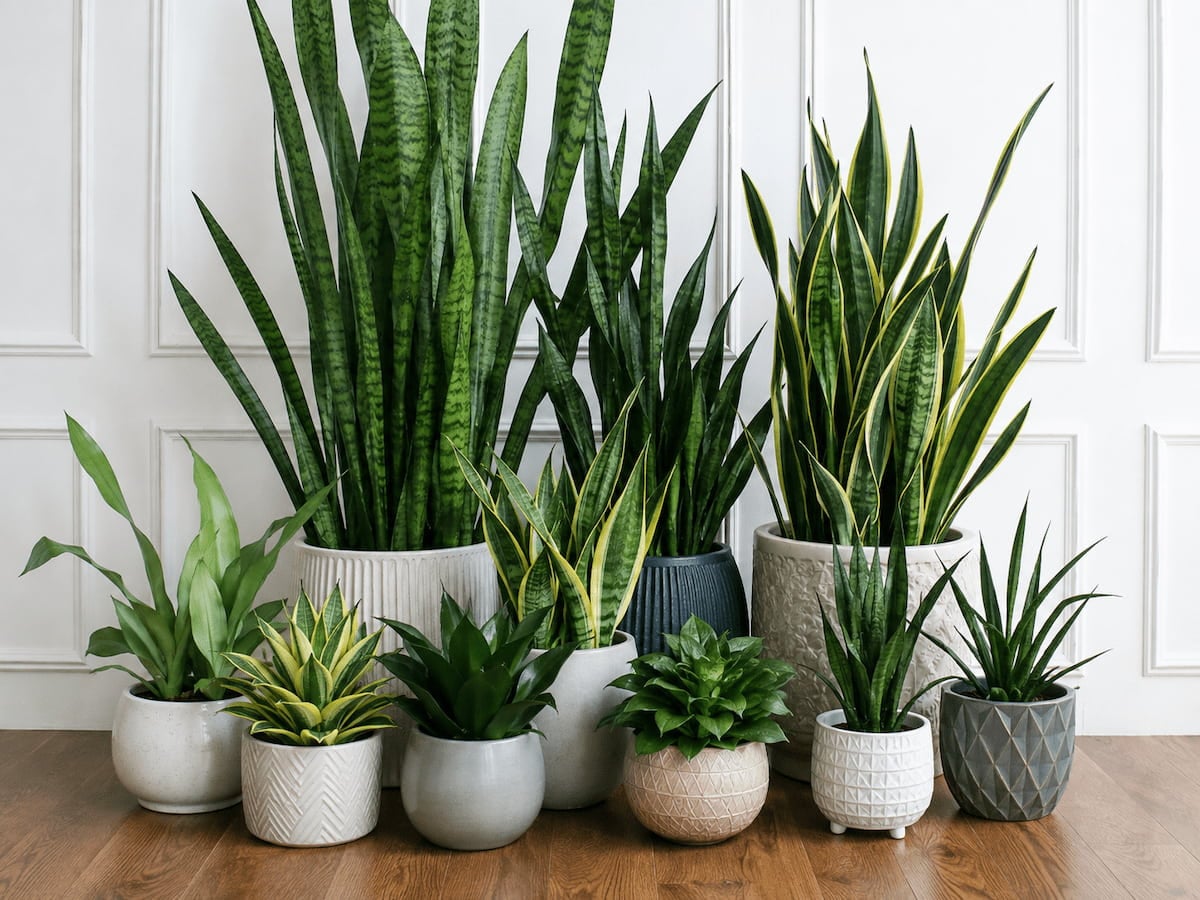
10. Be Careful Not to Overwater It
If there's one mistake that frequently kills snake plants, it's probably too much water.
Snake plants have thick leaves and structures that allow them to store water.
That means they are much more tolerant of drought than constantly wet soil.
Overwatering can lead to:
-
Root rot
-
Soft leaves
-
Yellowing
-
Mushy stems
-
Unpleasant odors from the soil
-
Plant collapse
If you're unsure whether to water, check the soil first.
Allow the soil to dry substantially between waterings.
The exact schedule depends on:
-
Pot size
-
Soil type
-
Temperature
-
Humidity
-
Light level
-
Season
Don't water according to a rigid calendar.
Water according to the plant's actual needs.
11. Choose a Pot With Drainage
This is extremely important.
A snake plant does not want to sit in stagnant water.
Choose a container with drainage holes so excess water can escape.
A pot without drainage can trap moisture around the roots and dramatically increase the risk of root rot.
If your decorative pot doesn't have drainage, consider using it as a cover pot while keeping the plant in a separate container that does have drainage.
12. Use Well-Draining Soil
Because snake plants are prone to problems from excessive moisture, their soil should drain efficiently.
A suitable houseplant or cactus/succulent-style potting mix can work well.
The goal is to avoid soil that remains wet for a long time after watering.
Good drainage gives the roots access to both moisture and air.
13. Don't Put It Directly Against a Cold or Hot Window
Snake plants are adaptable, but extreme conditions can still cause damage.
Avoid placing the plant directly against:
-
Very hot glass
-
Heating vents
-
Air-conditioning outlets
-
Freezing windows
-
Strong drafts
A stable indoor location with reasonable indirect light is usually a good choice.
14. Snake Plants Grow Slowly
Don't expect your snake plant to double in size overnight.
Growth can be relatively slow, especially in low-light conditions.
You may notice new leaves emerging gradually from the base.
With appropriate care, however, the plant can become a long-lasting part of your indoor space.
Some varieties can eventually become quite tall.
15. New Shoots Can Appear From the Base
One of the most satisfying things about owning a snake plant is seeing new growth.
New shoots, sometimes called pups, can emerge from the underground rhizome.
As the plant matures, these shoots can form a larger cluster.
Eventually, you may have a full pot of upright leaves rather than a single plant.
16. Snake Plants Are Easy to Propagate
If your snake plant produces healthy growth, you can potentially propagate it.
Depending on the variety, propagation can be done through:
-
Division
-
Leaf cuttings
-
Rhizome separation
Division is often particularly straightforward because new shoots can develop from the plant's underground structures.
However, propagation by leaf cuttings may not preserve the yellow-edged variegation of certain cultivars.
If maintaining the exact appearance of a variegated plant matters to you, division is generally the better approach.
17. They Can Help Create a Calmer Environment
The presence of plants can contribute to a more pleasant indoor environment psychologically.
Looking at greenery may help create a sense of calm and connection with nature.
This doesn't mean a snake plant can treat anxiety, depression, or sleep disorders.
But incorporating plants into a comfortable living environment can be one small part of creating a space where you feel relaxed.
Think of it as an environmental benefit rather than a medical treatment.
18. A Snake Plant Isn't a Substitute for an Air Purifier
This distinction is important.
If your goal is to improve indoor air quality, don't rely solely on houseplants.
For meaningful reduction of indoor pollutants, consider:
-
Good ventilation
-
Removing sources of pollution
-
Avoiding indoor smoking
-
Controlling dust
-
Managing humidity
-
Using an appropriately sized air purifier when necessary
-
Maintaining HVAC systems properly
A snake plant can coexist with all of these strategies.
It doesn't need to replace them.
19. Keep Dust Off the Leaves
Because snake plant leaves are broad and upright, dust can accumulate on their surfaces.
Every so often, gently wipe the leaves with a soft, damp cloth.
This can help keep the plant looking attractive and allows you to inspect the leaves for:
-
Pests
-
Damage
-
Discoloration
-
Dust buildup
Avoid coating the leaves with commercial "leaf shine" products unless you know they're appropriate.
Plain water is usually enough for routine cleaning.
20. Watch for Common Pests
Snake plants are relatively hardy, but they aren't completely immune to pests.
Occasionally, you may encounter:
-
Mealybugs
-
Spider mites
-
Scale insects
Inspect the leaves and the base of the plant from time to time.
If you notice small insects, cotton-like material, webbing, or unusual discoloration, address the problem early.
Catching an infestation early is generally much easier than dealing with a heavily affected plant.
21. Yellow Leaves Don't Always Mean the Plant Is Dying
A yellow leaf can have several explanations.
One of the most common concerns is excessive watering.
But other factors can contribute, including:
-
Natural aging
-
Poor drainage
-
Sudden environmental changes
-
Root problems
-
Insufficient light
Look at the overall plant rather than judging its health based on one leaf.
If most of the plant is firm, upright, and producing new growth, a single aging leaf isn't necessarily alarming.
22. Soft or Mushy Leaves Are a Warning Sign
Healthy snake plant leaves are generally firm.
If the leaves become:
-
Soft
-
Mushy
-
Collapsed
-
Waterlogged
-
Discolored at the base
check the roots and soil.
Overwatering and poor drainage may be involved.
If root rot has developed, the damaged roots may need to be removed and the plant replanted into fresh, well-draining soil.
23. Snake Plants Are Low-Maintenance, Not No-Maintenance
One reason people love snake plants is that they tolerate neglect.
But there's a difference between low maintenance and zero maintenance.
Your plant still needs:
-
Light
-
Occasional watering
-
Appropriate soil
-
Drainage
-
Periodic cleaning
-
Occasional pest inspection
The good news is that these requirements are relatively simple.
24. Are Snake Plants Safe Around Pets?
This is an important consideration for households with animals.
Snake plants contain compounds that can cause gastrointestinal irritation if they are eaten by pets.
Cats and dogs that chew on the leaves may experience symptoms such as:
-
Drooling
-
Nausea
-
Vomiting
-
Diarrhea
-
Mouth irritation
The severity can vary depending on how much was consumed.
If you have pets that like chewing plants, keep snake plants somewhere they cannot reach.
If you suspect your pet has eaten part of the plant and develops symptoms, contact a veterinarian for advice.
25. What About Children?
The same basic principle applies to young children.
Snake plants aren't plants that should be treated as edible.
If you have toddlers who frequently put leaves or objects in their mouths, position the plant somewhere inaccessible.
A beautiful houseplant isn't worth creating an avoidable safety risk.
26. Can Snake Plants Really Remove "Toxins"?
This is where it's important to separate fact from internet hype.
Plants can interact with certain airborne chemicals under specific experimental conditions.
But the idea that placing one snake plant in a room will dramatically remove all harmful chemicals from the air is an exaggeration.
Indoor air quality is influenced by many factors, including:
-
Building materials
-
Cleaning products
-
Cooking
-
Smoke
-
Dust
-
Outdoor pollution
-
Ventilation
-
Humidity
-
Mold
A plant is only one small part of this complex environment.
27. The Biggest Benefit May Simply Be That It's Easy to Keep Alive
Sometimes the most practical benefit is the simplest one.
A plant you can actually keep alive is better than a supposedly amazing plant that requires constant maintenance.
Snake plants are:
Hardy.
Attractive.
Space-efficient.
Low-maintenance.
Adaptable.
That's a pretty strong combination.

28. Where Should You Put a Snake Plant?
Good locations can include:
Bedroom
A good choice if you want greenery without a plant that requires frequent attention.
Living Room
Place it near a bright window with indirect light.
Office
Its upright form works well beside desks or in corners.
Entryway
A snake plant can add visual interest without taking up much floor space.
Bathroom
A bathroom can work if it receives enough natural or artificial light and isn't constantly waterlogged.
29. How Often Should You Water It?
There is no single perfect schedule.
Instead, check the soil.
If the soil is still noticeably moist, wait.
If the soil has dried substantially, it's generally time to water.
During cooler or lower-light periods, the plant may need water less frequently.
During warmer, brighter conditions, it may use water more quickly.
The biggest mistake is following a schedule such as:
"Every Monday, no matter what."
Instead:
Check the soil first.
30. A Simple Snake Plant Care Routine
If you want to keep things easy, follow this basic routine:
Place it in bright indirect light when possible.
Allow the soil to dry substantially between waterings.
Use a pot with drainage holes.
Choose well-draining soil.
Avoid leaving water sitting around the roots.
Wipe dust from the leaves occasionally.
Inspect for pests every few weeks.
Keep it away from pets that like chewing plants.
That's about it.
The Bigger Picture: Plants and Indoor Wellness
Having plants in your home isn't just about air chemistry.
Greenery can change how a room looks and feels.
Plants can provide:
-
Visual interest
-
A connection with nature
-
A sense of freshness
-
A decorative element
-
A rewarding hobby
-
An opportunity to care for something living
For many people, that alone is a meaningful benefit.
And because snake plants are so forgiving, they make an excellent starting point for anyone who wants to bring more greenery indoors.
The Bottom Line
The beautiful plant in the image is a snake plant, commonly known as Sansevieria and scientifically classified as Dracaena trifasciata.
It has earned its reputation as one of the easiest houseplants to grow because it tolerates relatively low light, doesn't require frequent watering, and can thrive with surprisingly little attention.
Snake plants have also been studied for their interactions with certain indoor air pollutants under controlled conditions, which helped create their reputation as "natural air purifiers."
But it's important to keep expectations realistic.
A snake plant can contribute to a greener, more pleasant indoor environment, but it shouldn't replace proper ventilation or a real air-filtration system when indoor air quality is a concern.
Its CAM photosynthesis also makes it an interesting plant from a biological perspective, but claims that one plant can dramatically increase the oxygen level in your bedroom overnight are exaggerated.
The biggest practical advantages are much simpler:
It's beautiful.
It's remarkably resilient.
It needs relatively little water.
It can tolerate lower-light conditions.
It works well in small spaces.
And with proper care, it can live and grow for years.
Just remember that snake plants can be irritating if eaten, so keep them away from pets and young children who may chew on the leaves.
If you're looking for a houseplant that combines striking appearance with easy care, the plant shown in this image is a solid choice.
Sometimes, the best houseplant isn't the one with the biggest promises - it's the one that stays healthy, looks beautiful, and fits naturally into your everyday life.